-
-
ApplicationOur products consist of undercarriage parts for bulldozer and excavator such as Track link,Track roller,Carrier roller,Sprocket,ldler,Track shoe,Cutting edge,End bit,Tooth Bucket,Track pin,Track bush, Engine parts,Track boit&nuts.U-bolt,Centre bolt,Wheel bolt and other related parts.

-
About UsFujian Yongsheng Machinery Parts Co., Ltd. is located in Quanzhou City, Fujian Province, which is one of the most developed regions of China Machinery Manufacturing.The company was established in 2003, after approximately 10years' effort, and now it is one of the leading construction machinery parts auto parts manufacturers in CHINA.
-
BlogSuppliers who pass Quality ManagementSystem Certification, and have onsitematerials or finished products inspected,as certified by independent third parties.
1
2
Jul 15,2026
Hydraulic Track Press Guide: Operations, Tooling Replacement & Preventive Maintenance
The hydraulic track pin press is the most critical service tool in any crawler machinery workshop. Because tracked excavators and bulldozers operate continuously under extreme load conditions, their undercarriage chains inevitably require pin-and-bushing turns or full track link disassembly. Squeezing hundreds of tons of hydraulic force onto a compact steel joint requires specialized equipment, strict procedural safety, and precision tooling. This comprehensive hydraulic track press guide delivers the technical steps needed to operate presses safely, manage tooling wear, and optimize workshop productivity.
Understanding Track Press Configurations: Stationary vs. Portable
Undercarriage repair workshops utilize two primary configurations of hydraulic track link presses depending on the fleet’s scale and the service setting:
- Stationary Track Link Assembly Presses: Massive high-tonnage workshop installations (often ranging from 150 to 350 tons of hydraulic force) integrated with automated conveyor tables. These are designed for high-volume track chain rebuilding, allowing rapid pressing of complete track groups.
- Portable Hydraulic Track Pin Presses: Compact, modular "C-frame" hydraulic press units that service teams can transport directly to field sites. This setup allows technicians to split the track chain or replace a damaged master pin on-site without transporting the entire multi-ton crawler chain back to a centralized workshop.
Whether utilizing heavy workshop machinery or portable field units, matching the press tonnage to the equipment weight class is critical to avoid damaging structural track components.

1. Core Tooling Anatomy & Materials of a Hydraulic Track Press
To withstand extreme tonnage without shattering, track press tooling must be engineered from high-grade alloy steels subjected to strict heat treatment. Using sub-standard tooling risks severe mechanical failure and poses significant safety hazards.
| Tooling Component | Primary Engineering Material | Surface Hardness Target | Core Toughness Standard | Wear Replacement Indicator |
|---|---|---|---|---|
| Forcing Pins (Pushers) | 42CrMo Forged Alloy Steel | 52 - 58 HRC (Deep Hardened) | Extreme yield strength | Mushrooming, face cracking, or axial bending |
| Bushing Adapters (Receivers) | Cr12MoV Die Steel / 40Cr | 54 - 58 HRC | High compression resistance | Chipping along contact shoulders or wall deformation |
| C-Frame / Yoke Structure | High-Tensile Welded Plate / Cast Alloy | Tough Structural Steel state | Maximum elastic threshold | Hairline weld seam fractures or frame twisting |
| Hydraulic Cylinder Seals | Polyurethane Dual-Lip / Nitrile | N/A (Elastic Elastomer) | High pressure sealing stability | Visible hydraulic oil weeping or pressure bypass |
2. How to Use a Track Pin Press: Step-by-Step Operations
To perform a safe and precise pin-and-bushing extraction, technicians must master the sequence of hydraulic alignment and pressure application. Standard operational procedures include:
Step 1: Preparation & Chain Cleaning
Thoroughly clean the target joint using a wire brush or high-pressure washer. Packed dirt or sand in the pin boss or bushing recess can prevent the tooling from seating flat, causing asymmetric loading that can warp the link bores.
Step 2: Tooling Selection and Alignment
Select the correct forcing pin (pusher) and bushing adapter (receiver) matching the specific machine model (e.g., CAT D6 or Komatsu PC200). Mount the tooling securely to the press ram and C-frame anvil. Precise alignment is critical; the centerline of the forcing pin must align perfectly with the axis of the track link pin.
Step 3: Initial Low-Pressure Seating
Activate the hydraulic pump to advance the ram slowly, bringing the forcing pin into light contact with the track pin face. Visually verify that the bushing receiver is aligned flat against the adjacent link. Any angle misalignment can bend the link during high-pressure cycles.
Step 4: High-Pressure Pin Extraction
Clear all non-essential personnel from the direct path of the press frame. Gradually increase hydraulic pressure. Most pins will break free with a loud metallic pop as the initial press-fit friction is overcome. Maintain steady pressure to push the pin completely through the link bores and into the receiver sleeve.
3. Preventive Hydraulic Track Press Maintenance Checklist
A high-pressure hydraulic system operating up to 700 bar (10,000 PSI) demands rigorous daily and weekly inspections to ensure system calibration and operator safety.
Technical Troubleshooting: Checking Hydraulic Oil Quality
Always monitor hydraulic oil temperature and clarity. Cloudy or dark oil indicates water contamination or thermal degradation. Operating with contaminated oil accelerates internal pump wear and destroys the cylinder’s high-pressure seals, leading to internal pressure bypass and loss of press tonnage.
Daily Inspections (Before Shift)
- Hose & Fitting Review: Inspect all high-pressure hydraulic hoses for cuts, swelling, or leaks. Tighten any loose fittings immediately. Never use your bare hands to check for high-pressure oil leaks.
- Tooling Verification: Examine the forcing pins and bushing adapters for hairline cracks or mushrooming. Worn tooling must be replaced immediately.
- Oil Level Check: Ensure the hydraulic pump reservoir is filled to the specified level with clean ISO VG 46 anti-wear hydraulic oil.
Weekly Technical Audits (50 Hours)
- Cylinder Seal Inspections: Fully extend the press ram and inspect the cylinder rod for scoring or hydraulic oil weeping. Schedule a track pin press cylinder seals repair if leakage is present.
- C-Frame Weld NDT: Clean the C-frame yoke and inspect all major structural welds. Look for paint flaking or hairline cracks, which indicate structural fatigue.
- Pressure Gauge Calibration: Complete a high pressure track press calibration check. Ensure the pressure gauge accurately reflects the real-world tonnage output of the hydraulic cylinder.
4. Tooling Replacement Standards: Forcing Pins and Adapters
Because track press adapters handle immense friction and compressive stress, keeping track of track pin press forcing pins wear is essential to protect the track links from damage during service.
| Observed Tooling Wear Condition | Root Cause Identification | Required Maintenance / Sourcing Action | Investment Category |
|---|---|---|---|
| Mushrooming of forcing pin face | Tooling metallurgy fatigue or off-center alignment pressing | Discard and replace forcing pin immediately | Minimal Investment |
| Chipping along bushing adapter shoulders | Misaligned loading or high-impact shock loading | Replace the bushing adapter to prevent link bore damage | Minimal Investment |
| Cylinder pressure drop under load | Worn piston seals or internal hydraulic fluid bypass | Execute track pin press cylinder seals repair; rebuild cylinder | Moderate Investment |
| C-Frame / Yoke structural twisting | Exceeding the maximum rated tonnage of the press frame | Replace the main press frame; do not attempt structural welding repairs | High Capital Tier |
The Operational Cost-Benefit: Many workshops attempt to save budget by grinding down mushroomed forcing pins or welding chipped adapters. However, using modified or out-of-spec tooling concentrates stresses unevenly. This can stretch the link pin bores, ruining expensive track chains and far exceeding the simple cost of sourcing new, factory-certified tooling.
Multi-Brand Custom Adapters & Compatibility
High-quality aftermarket service centers require versatile tooling configurations that can adapt to different machine pitches and dimensions. Sourcing from a professional aftermarket track press parts factory allows your service teams to support multiple heavy equipment platforms:
- CAT J-Series & D-Series (e.g., D6, D8, D9): Requires heavy-duty split adapters to manage the unique link clearance requirements of Sealed and Lubricated Tracks (SALT).
- Komatsu Series (e.g., PC200, PC300, PC400): Precision-machined spacer blocks are essential to prevent the press from crushing the track link pin bosses during assembly.
- Shantui Bulldozer Series: Heavy-duty, high-tonnage adapters are required to handle the extremely high press-fit friction of large mining chains.
Important Operator Safety Standards
1. Always Use Protective Shields: Heavy steel safety shields must be positioned around the C-frame during pressing. In the event of a pin or tool fracture under 200 tons of force, the debris can shatter with explosive velocity.
2. Avoid Heating Pins Directly: Do not use an oxy-acetylene torch to heat pins inside the link bores. Excessive heat alters the induction-hardened metallurgy of the track links, rendering them brittle and prone to structural failure during operation.
3. Never Exceed Rated Press Tonnage: If a pin refuses to break free at the press’s maximum rated pressure, stop immediately. Check for mechanical locks, rust welding, or alignment issues rather than over-pressurizing the hydraulic system.
Conclusion: Quality Tooling Secures Your Shop Uptime
Minimizing undercarriage rebuild costs requires maintaining your service equipment with the same diligence applied to track chains and rollers. Sourcing high-strength, precision-hardened tooling from a certified manufacturer ensures your repair processes remain safe, efficient, and reliable. This protects both your work crews and your customer's machinery investments, driving long-term profitability and success.
Consult Our Undercarriage Service Engineers
For custom track press specifications, specialized tooling orders, or factory-direct wholesale pricing:
Corporate Email: press-support@ysm-machinery.com
Technical Support / WhatsApp Line: +86-186-XXXX-XXXX
We supply precision-forged undercarriage service tools engineered to lower your fleet's long-term operating costs.
PREVIOUS:
Related Posts
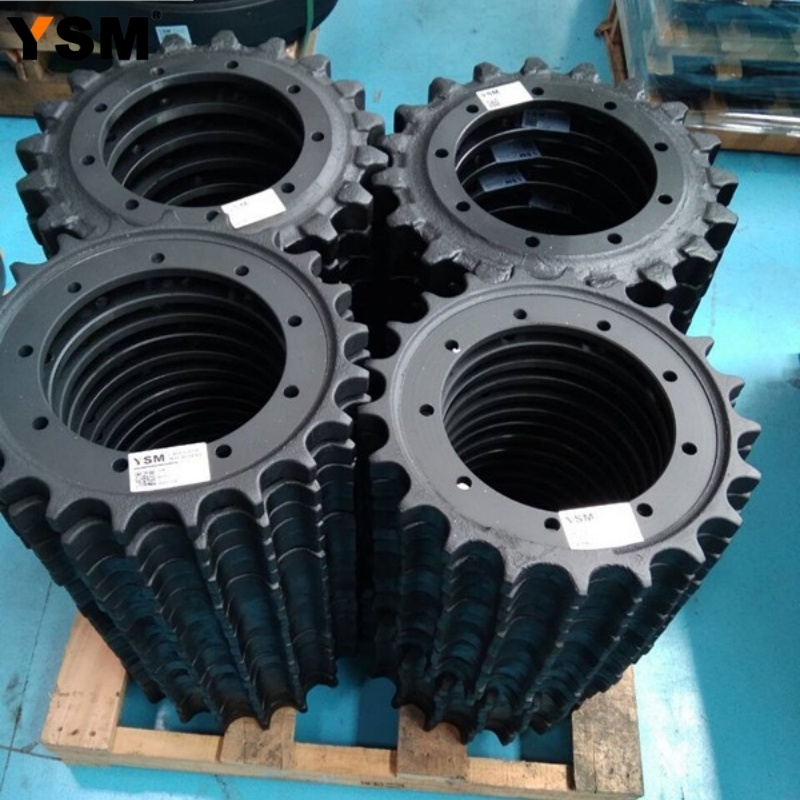
How Should The Supporting Wheels Be Selected To Avoid Stepping On Thunder?
High-quality support wheels mainly depend on the performance of its steel. The material of the roller body is generally 50Mn, 40Mn2, (MN: synonymous with the element of manganese).
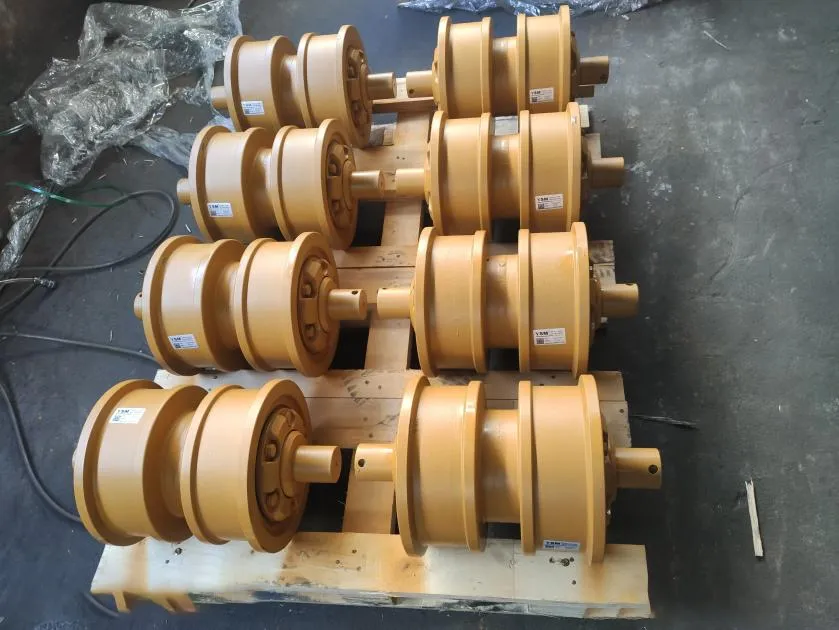
Carrier Wheels Are Suitable For Various Models At Home And Abroad
Sprocket wheels are mainly used in various crawler bulldozers, excavators, pavers, milling machines, rotary drilling rigs or other crawler machinery equipment at home and abroad.
Contact Us
E-mail :
sales@china-ysm.com
Phone/WhatsApp:
+86-18606961587
Address:
No.8 Binjiang Street, Binjiang Industrial Zone, Xiamei Town, Nan An City, Quanzhou City, Fujian Province, China
Request Quote
Andy Shi
No.8 Binjiang Street, Binjiang Industrial Zone, Xiamei Town, Nan An City, Quanzhou City, Fujian Province, China


Request Quote