
-
-
ApplicationOur products consist of undercarriage parts for bulldozer and excavator such as Track link,Track roller,Carrier roller,Sprocket,ldler,Track shoe,Cutting edge,End bit,Tooth Bucket,Track pin,Track bush, Engine parts,Track boit&nuts.U-bolt,Centre bolt,Wheel bolt and other related parts.

-
About UsFujian Yongsheng Machinery Parts Co., Ltd. is located in Quanzhou City, Fujian Province, which is one of the most developed regions of China Machinery Manufacturing.The company was established in 2003, after approximately 10years' effort, and now it is one of the leading construction machinery parts auto parts manufacturers in CHINA.
-
BlogSuppliers who pass Quality ManagementSystem Certification, and have onsitematerials or finished products inspected,as certified by independent third parties.
Excavator Bucket Maintenance: Keeping Your ZX70, ZX100, and ZX450 in Top Shape
Excavator Bucket Maintenance: Keeping Your ZX70, ZX100, and ZX450 in Top Shape Table of Contents Introduction to Excavator Bucket Maintenance Understanding Excavator Buckets Importance of Regular Bucket Maintenance Creating a Maintenance Schedule Daily Checks for ZX70, ZX100, and ZX450 Buckets Weekly Maintenance Tasks Seasonal Maintenance for Optimal Performance Tr
Dec 08,2025
Excavator Bucket Maintenance: Keeping Your ZX70, ZX100, and ZX450 in Top Shape
Table of Contents
- Introduction to Excavator Bucket Maintenance
- Understanding Excavator Buckets
- Importance of Regular Bucket Maintenance
- Creating a Maintenance Schedule
- Daily Checks for ZX70, ZX100, and ZX450 Buckets
- Weekly Maintenance Tasks
- Seasonal Maintenance for Optimal Performance
- Troubleshooting Common Bucket Issues
- Upgrading Your Excavator Bucket
- Conclusion
- FAQs
Introduction to Excavator Bucket Maintenance
Excavators are vital pieces of equipment in the construction and mining industries. Among various components, the bucket is crucial for efficient material handling. Specifically, the **ZX70**, **ZX100**, and **ZX450** excavators are known for their robust performance, but without regular maintenance, their efficiency can diminish over time. This article will delve into the specific maintenance needs of these models to help you ensure that your excavator buckets remain in top shape.
Understanding Excavator Buckets
Excavator buckets come in multiple configurations based on their intended use. From digging to grading and loading, the right bucket enhances performance. The **ZX70**, **ZX100**, and **ZX450** excavators use various bucket types, including:
- **Standard buckets:** Used for general-purpose digging.
- **Heavy-duty buckets:** Designed for tougher jobs, such as moving heavy materials.
- **Grading buckets:** Ideal for leveling and finishing work.
Each bucket type requires unique maintenance practices to ensure longevity and optimal functionality.
Importance of Regular Bucket Maintenance
Regular maintenance is not just a good practice; it is essential for several reasons:
1. **Enhanced Performance:** Well-maintained buckets operate more efficiently, translating to better performance on the job.
2. **Cost Savings:** Regular inspections and maintenance can prevent costly repairs or replacements in the long run.
3. **Safety:** Proper maintenance ensures that the bucket functions correctly, reducing the risks of accidents.
4. **Longevity:** Routine care can significantly extend the lifespan of your excavator bucket, protecting your investment.
Neglecting maintenance can lead to severe issues, including damage to the bucket or even the excavator itself.
Creating a Maintenance Schedule
A well-structured maintenance schedule is essential for keeping your **ZX70**, **ZX100**, and **ZX450** buckets in peak condition. This schedule should consider daily, weekly, and seasonal checks.
1. **Daily Maintenance:** Quick inspections to identify any immediate issues.
2. **Weekly Maintenance:** More thorough checks, including lubrication and cleaning.
3. **Seasonal Maintenance:** Comprehensive inspections and any necessary repairs before and after harsh weather conditions.
By following a structured schedule, you ensure that no crucial maintenance tasks are overlooked.
Daily Checks for ZX70, ZX100, and ZX450 Buckets
Each day before operating your excavator, perform these essential daily checks:
- **Visual Inspection:** Look for visible signs of wear and tear, such as cracks or bent edges.
- **Hydraulic System Check:** Ensure that the hydraulic system is functioning correctly and that there are no leaks.
- **Attachment Security:** Inspect the connection points to ensure the bucket is securely attached to the excavator.
- **Lubrication Check:** Ensure that all moving parts are adequately lubricated to prevent friction and wear.
Conducting these checks can prevent minor issues from escalating into major problems, ensuring smooth operations.
Weekly Maintenance Tasks
Weekly maintenance tasks are more in-depth and should include:
- **Cleaning the Bucket:** Remove dirt and debris that can accumulate and wear down the bucket.
- **Inspecting Teeth and Edges:** Check for wear on the cutting edges and teeth, replacing them if necessary.
- **Hydraulic Fluid Levels:** Check and top up hydraulic fluid to ensure optimal performance.
- **Structural Integrity Examination:** Look for stress cracks or any signs of structural failure.
By consistently performing these tasks, you can significantly improve the efficiency and lifespan of your excavator buckets.
Seasonal Maintenance for Optimal Performance
Seasonal changes can affect the performance and durability of your excavator buckets. Here’s how to prepare for different seasons:
- **Before Winter:** Inspect for any signs of rust or corrosion, and apply protective coatings if necessary. Ensure that the hydraulic system is ready for colder temperatures.
- **Spring Maintenance:** After winter, perform a thorough inspection, focusing on any potential damage due to snow and ice.
- **Summer Checks:** Ensure that the bucket is clean and free from debris, as summer jobs can often lead to increased wear.
- **Fall Preparation:** Before the onset of winter, conduct a comprehensive inspection to avoid issues during colder months.
Adjusting your maintenance practices based on seasonal changes can prevent unexpected breakdowns.
Troubleshooting Common Bucket Issues
Even with regular maintenance, issues may arise. Here are some common problems and their solutions:
- **Worn Teeth:** If the teeth are dull or worn out, replace them immediately to maintain digging efficiency.
- **Hydraulic Leaks:** Inspect hoses and fittings for leaks. Tightening connections or replacing damaged parts can resolve this issue.
- **Bucket Cracks:** Small cracks can often be welded, but larger cracks may require the bucket to be replaced.
- **Excessive Play:** If there is excessive play in the bucket attachment points, check for worn pins and bushings, replacing them as necessary.
Understanding these issues and how to address them can save you time and money on repairs.
Upgrading Your Excavator Bucket
As technology advances, it might be beneficial to consider upgrading your excavator bucket. Here are some options to explore:
1. **High-Performance Teeth:** Investing in high-performance teeth can improve digging efficiency and reduce wear.
2. **Wear Liners:** Adding wear liners can protect your bucket from damage and extend its life.
3. **Specialized Buckets:** Depending on the nature of your work, you may need to invest in specialized buckets designed for specific tasks.
Upgrading your equipment can enhance productivity and reduce maintenance over time.
Conclusion
Maintaining your excavator buckets, specifically for the **ZX70**, **ZX100**, and **ZX450** models, is paramount for optimal performance and longevity. By adhering to a structured maintenance schedule that includes daily, weekly, and seasonal checks, you can prevent common issues and ensure effective operations. Investing time in **excavator bucket maintenance** not only enhances productivity but also safeguards your investment in heavy machinery.
FAQs
1. How often should I check my excavator bucket?
We recommend conducting daily checks before operation and more comprehensive weekly maintenance.
2. What are the signs that my bucket needs repair?
Look for visible cracks, worn teeth, and excessive play in the attachment points.
3. Can I weld cracks in my excavator bucket myself?
While minor cracks can often be welded, it's best to consult a professional for larger repairs.
4. How can I extend the life of my excavator bucket?
Regular maintenance, timely repairs, and using high-quality replacement parts can significantly extend the life of your bucket.
5. Are specialized buckets worth the investment?
Yes, investing in specialized buckets can improve efficiency and productivity, depending on your specific tasks.
By focusing on these aspects of excavator bucket maintenance, we can ensure that your **ZX70**, **ZX100**, and **ZX450** remain in peak condition, ultimately driving your project's success.
Related Posts
How Should The Supporting Wheels Be Selected To Avoid Stepping On Thunder?
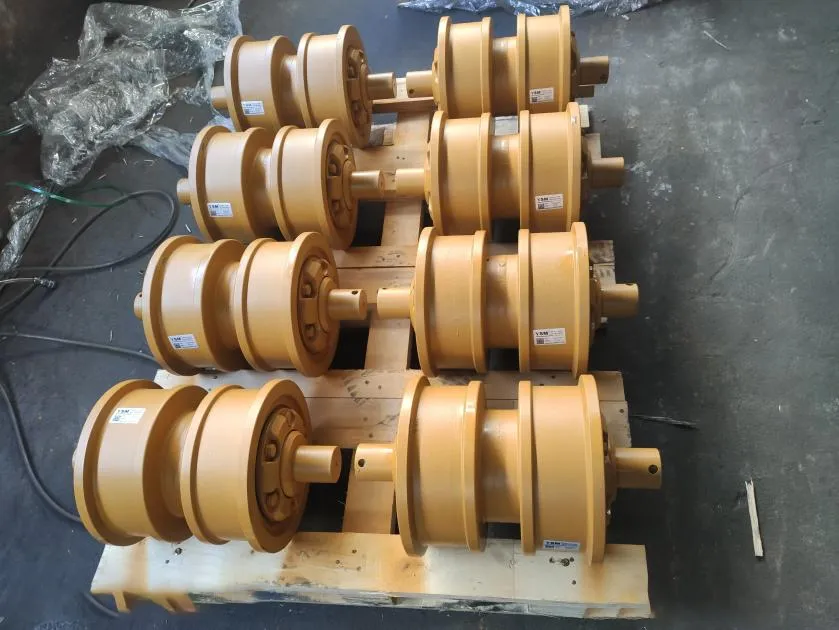
High-quality support wheels mainly depend on the performance of its steel. The material of the roller body is generally 50Mn, 40Mn2, (MN: synonymous with the element of manganese).
Carrier Wheels Are Suitable For Various Models At Home And Abroad
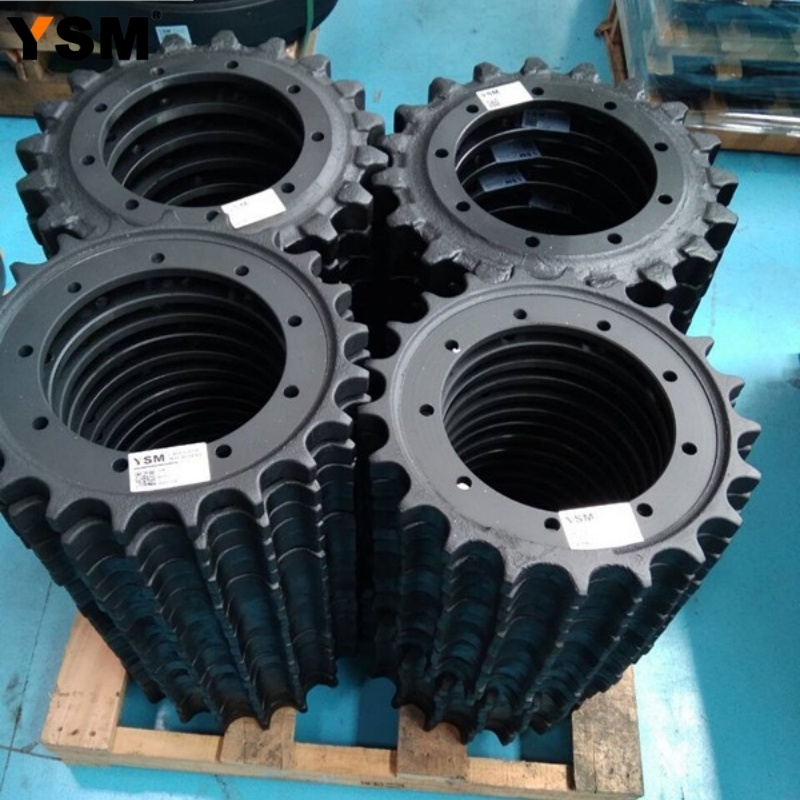
Sprocket wheels are mainly used in various crawler bulldozers, excavators, pavers, milling machines, rotary drilling rigs or other crawler machinery equipment at home and abroad.
Contact Us
E-mail :
sales@china-ysm.com
Phone/WhatsApp:
+86-18606961587
Address:
No.8 Binjiang Street, Binjiang Industrial Zone, Xiamei Town, Nan An City, Quanzhou City, Fujian Province, China
Request Quote
Andy Shi
No.8 Binjiang Street, Binjiang Industrial Zone, Xiamei Town, Nan An City, Quanzhou City, Fujian Province, China


Request Quote