
-
-
ApplicationOur products consist of undercarriage parts for bulldozer and excavator such as Track link,Track roller,Carrier roller,Sprocket,ldler,Track shoe,Cutting edge,End bit,Tooth Bucket,Track pin,Track bush, Engine parts,Track boit&nuts.U-bolt,Centre bolt,Wheel bolt and other related parts.

-
About UsFujian Yongsheng Machinery Parts Co., Ltd. is located in Quanzhou City, Fujian Province, which is one of the most developed regions of China Machinery Manufacturing.The company was established in 2003, after approximately 10years' effort, and now it is one of the leading construction machinery parts auto parts manufacturers in CHINA.
-
BlogSuppliers who pass Quality ManagementSystem Certification, and have onsitematerials or finished products inspected,as certified by independent third parties.
Understanding the Importance of Bucket Pins in Agricultural Equipment
Understanding the Importance of Bucket Pins in Agricultural Equipment In the ever-evolving world of agriculture, **efficient equipment management** is paramount. Among the many components that make up agricultural machinery, **bucket pins** are often overlooked, yet they play a vital role in ensuring the proper function and longevity of various implements. This article delves into the significance
Dec 14,2025
Understanding the Importance of Bucket Pins in Agricultural Equipment
In the ever-evolving world of agriculture, **efficient equipment management** is paramount. Among the many components that make up agricultural machinery, **bucket pins** are often overlooked, yet they play a vital role in ensuring the proper function and longevity of various implements. This article delves into the significance of bucket pins, their types, maintenance, and how they contribute to the overall efficiency of agricultural operations.
Table of Contents
1. What Are Bucket Pins?
2. Types of Bucket Pins in Agricultural Equipment
3. The Function of Bucket Pins in Machinery
4. Why Bucket Pins Are Essential in Agriculture
5. Common Materials Used in Bucket Pins
6. Maintenance Tips for Bucket Pins
7. When and How to Replace Bucket Pins
8. Conclusion
9. FAQs
What Are Bucket Pins?
Bucket pins are robust, cylindrical fasteners that connect the bucket of heavy machinery, such as **loaders and excavators**, to the arm or linkage. They allow for **pivoting and movement**, facilitating the attachment's ability to scoop, lift, and transport materials efficiently. Without these critical components, agricultural machinery would struggle to perform their designated tasks effectively.
Key Characteristics of Bucket Pins
Bucket pins can vary in size and design, tailored to meet specific machinery requirements. They often feature:
- **High tensile strength** to withstand significant loads.
- **Corrosion-resistant coatings** to ensure durability in various environmental conditions.
- **Precision engineering** to guarantee a perfect fit in the attachment points.
Types of Bucket Pins in Agricultural Equipment
Understanding the different types of bucket pins is crucial for selecting the right one for your machinery. Here are the most common types:
1. Standard Bucket Pins
Standard bucket pins are typically used in a variety of **industrial and agricultural applications**. They come in various diameters and lengths to suit different sizes of buckets and machinery.
2. Tapered Bucket Pins
These pins have a tapered design that allows for a snug fit. Tapered bucket pins are beneficial when dealing with heavy loads, as they provide enhanced stability and reduce wear and tear on the machinery.
3. Quick-Release Bucket Pins
Quick-release bucket pins facilitate faster attachment and detachment of buckets or other implements. They are particularly useful for operations requiring frequent changes between different attachments.
4. Locking Bucket Pins
Locking bucket pins are designed to provide an additional layer of security. They prevent accidental detachment during operation, which is critical for safety in high-load scenarios.
The Function of Bucket Pins in Machinery
Bucket pins serve several essential functions in agricultural equipment:
1. Enabling Movement
Bucket pins allow buckets to pivot and rotate, making it easier for operators to manipulate materials with precision. This functionality is critical during tasks such as digging, lifting, and moving loads.
2. Distributing Load
Properly installed bucket pins help distribute the load evenly across the attachment, reducing the risk of wear and damage to both the bucket and the machinery. This distribution is crucial for maintaining the integrity of the equipment over time.
3. Enhancing Efficiency
By ensuring smooth movement and operation, well-maintained bucket pins enhance the overall efficiency of agricultural machinery. This efficiency translates to increased productivity, allowing farmers to accomplish more in less time.
Why Bucket Pins Are Essential in Agriculture
The importance of bucket pins cannot be overstated. They are fundamental to the safe and effective operation of agricultural equipment. Here are several reasons why they matter:
1. Safety Considerations
Loose or damaged bucket pins can lead to accidents, such as the detachment of buckets during operation. Regular inspection and maintenance of these components are necessary to ensure the safety of operators and bystanders.
2. Cost-Effectiveness
Investing in high-quality bucket pins can save money in the long run. Properly functioning pins reduce the likelihood of damage to other machinery parts, minimizing repair costs and downtime.
3. Longevity of Equipment
Bucket pins contribute to the overall longevity of agricultural machinery. By ensuring that buckets remain securely attached and operate smoothly, they help extend the life of both the pins and the equipment.
4. Improved Productivity
Efficient machinery leads to improved productivity. Properly functioning bucket pins allow operators to work faster and with greater precision, resulting in more effective operations.
Common Materials Used in Bucket Pins
The material of bucket pins influences their performance and durability. Here are some commonly used materials:
1. Steel
Most bucket pins are made of high-strength steel. This material offers excellent tensile strength and durability, making it suitable for heavy-duty applications.
2. Stainless Steel
Stainless steel bucket pins provide additional resistance to corrosion, making them ideal for use in wet or harsh environments. They are particularly valuable for operations involving water or chemicals.
3. Alloy Steel
Alloy steel pins incorporate other elements to enhance strength and durability. These pins are often used in specialized applications requiring superior performance.
Maintenance Tips for Bucket Pins
To ensure optimal performance and longevity of bucket pins, regular maintenance is essential. Here are some vital tips:
1. Regular Inspection
Conduct routine inspections of bucket pins for signs of wear, corrosion, or damage. Early detection can prevent further issues down the line.
2. Lubrication
Proper lubrication reduces friction between the bucket pin and the machinery. Use suitable lubricants to keep the pins functioning smoothly.
3. Cleaning
Keep bucket pins clean from dirt and debris. Regular cleaning ensures that contaminants do not cause damage or hinder performance.
4. Replacement of Worn Pins
Do not hesitate to replace bucket pins that show significant wear. Operating with damaged pins can lead to equipment failure and safety hazards.
When and How to Replace Bucket Pins
Knowing when to replace bucket pins is crucial for maintaining machinery efficiency. Signs that indicate a need for replacement include:
1. Excessive Wear
If the bucket pin shows signs of significant wear or deformation, it’s time for a replacement.
2. Corrosion
Corroded bucket pins can compromise the safety and efficiency of equipment. Look for pits or flaking, which may indicate that the pin has reached the end of its lifespan.
3. Looseness
If a bucket pin is loose and does not maintain a secure fit, it must be replaced immediately to prevent accidents.
Steps for Replacing Bucket Pins
1. **Disconnect the Equipment:** Ensure the machinery is turned off and safely disconnected from any power source before beginning the replacement.
2. **Remove the Old Pin:** Use appropriate tools to carefully remove the old bucket pin, taking note of its orientation for proper installation of the new pin.
3. **Install the New Pin:** Insert the new bucket pin securely, ensuring it is aligned correctly.
4. **Secure the Pin:** Use any necessary locking mechanisms or clips to secure the pin in place.
5. **Test the Connection:** Before full operation, test the attachment to ensure the new pin is functioning correctly.
Conclusion
In conclusion, understanding the importance of bucket pins in agricultural equipment is essential for anyone involved in the farming industry. These seemingly small components play a significant role in ensuring machinery operates smoothly and efficiently. Regular maintenance, timely replacement, and knowledge of the different types of bucket pins can significantly impact the productivity and safety of agricultural operations. By prioritizing these factors, farmers can ensure their equipment remains reliable and effective for years to come.
FAQs
1. What are bucket pins made of?
Bucket pins are typically made from high-strength steel, stainless steel, or alloy steel for enhanced durability and performance.
2. How often should I inspect my bucket pins?
It's advisable to inspect bucket pins regularly, ideally every few weeks or before major jobs to ensure they are in good condition.
3. Can I use any lubricant on bucket pins?
No, use a lubricant specifically designed for heavy machinery to ensure optimal performance and longevity of the bucket pins.
4. What are the signs that a bucket pin needs to be replaced?
Signs include excessive wear, visible corrosion, and looseness in the connection.
5. How do I know the correct size of bucket pin for my machinery?
Refer to the manufacturer’s specifications for your equipment to determine the correct size and type of bucket pin required.
PREVIOUS:
Related Posts
How Should The Supporting Wheels Be Selected To Avoid Stepping On Thunder?
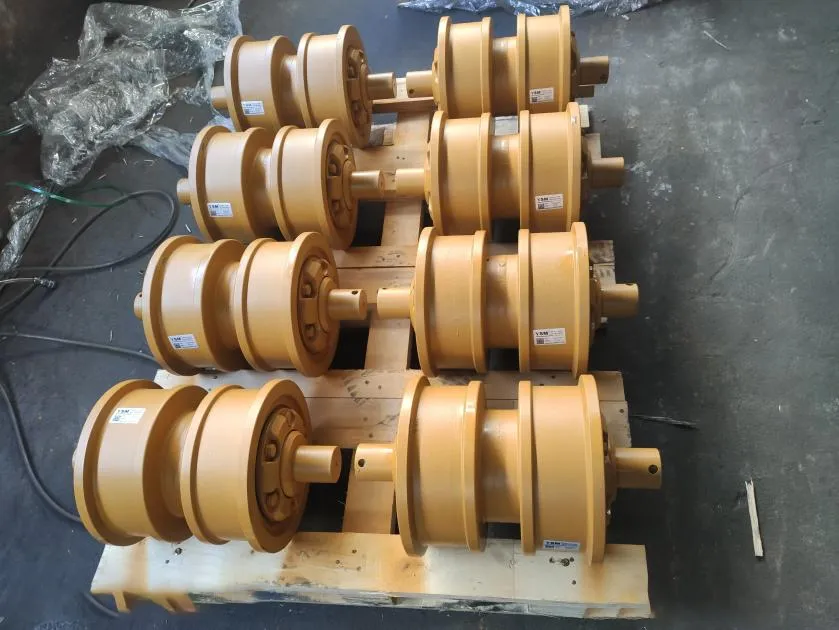
High-quality support wheels mainly depend on the performance of its steel. The material of the roller body is generally 50Mn, 40Mn2, (MN: synonymous with the element of manganese).
Carrier Wheels Are Suitable For Various Models At Home And Abroad
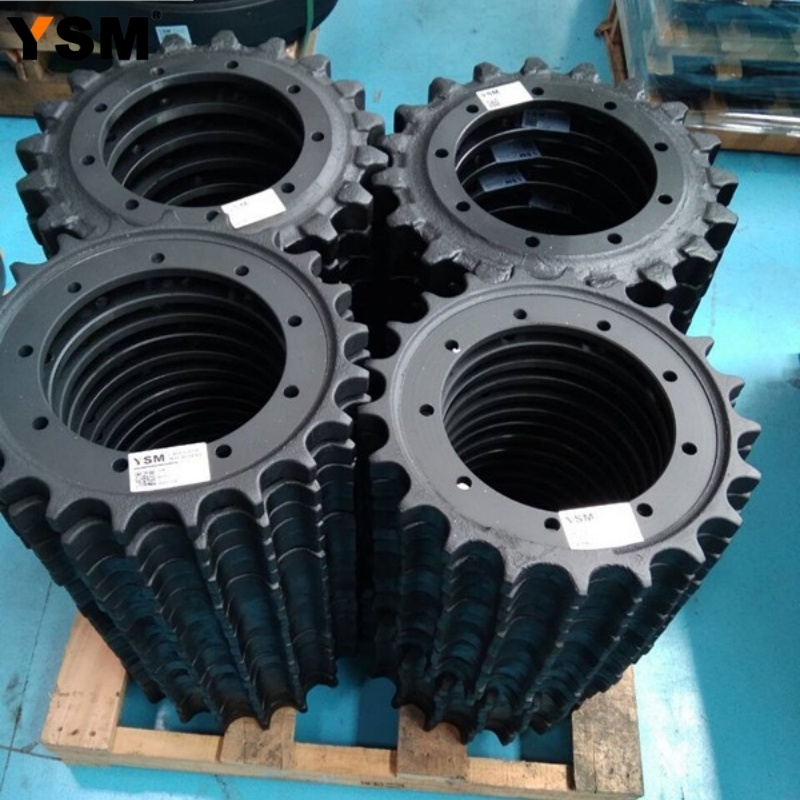
Sprocket wheels are mainly used in various crawler bulldozers, excavators, pavers, milling machines, rotary drilling rigs or other crawler machinery equipment at home and abroad.
Contact Us
E-mail :
sales@china-ysm.com
Phone/WhatsApp:
+86-18606961587
Address:
No.8 Binjiang Street, Binjiang Industrial Zone, Xiamei Town, Nan An City, Quanzhou City, Fujian Province, China
Request Quote
Andy Shi
No.8 Binjiang Street, Binjiang Industrial Zone, Xiamei Town, Nan An City, Quanzhou City, Fujian Province, China


Request Quote