-
-
ApplicationOur products consist of undercarriage parts for bulldozer and excavator such as Track link,Track roller,Carrier roller,Sprocket,ldler,Track shoe,Cutting edge,End bit,Tooth Bucket,Track pin,Track bush, Engine parts,Track boit&nuts.U-bolt,Centre bolt,Wheel bolt and other related parts.

-
About UsFujian Yongsheng Machinery Parts Co., Ltd. is located in Quanzhou City, Fujian Province, which is one of the most developed regions of China Machinery Manufacturing.The company was established in 2003, after approximately 10years' effort, and now it is one of the leading construction machinery parts auto parts manufacturers in CHINA.
-
BlogSuppliers who pass Quality ManagementSystem Certification, and have onsitematerials or finished products inspected,as certified by independent third parties.
Selecting the Ideal Excavator Bucket: A Comprehensive Comparison of ZX70, ZX100, and ZX450
Selecting the Ideal Excavator Bucket: A Comprehensive Comparison of ZX70, ZX100, and ZX450 Table of Contents Introduction to Excavator Buckets Understanding Excavator Buckets ZX70 Excavator Bucket: Features and Benefits ZX100 Excavator Bucket: Features and Benefits ZX450 Excavator Bucket: Features and Benefits Comparison of ZX70, ZX100, and ZX450 Best Practices for Cho
Feb 07,2026
Selecting the Ideal Excavator Bucket: A Comprehensive Comparison of ZX70, ZX100, and ZX450
Table of Contents
- Introduction to Excavator Buckets
- Understanding Excavator Buckets
- ZX70 Excavator Bucket: Features and Benefits
- ZX100 Excavator Bucket: Features and Benefits
- ZX450 Excavator Bucket: Features and Benefits
- Comparison of ZX70, ZX100, and ZX450
- Best Practices for Choosing an Excavator Bucket
- Conclusion
- Frequently Asked Questions
Introduction to Excavator Buckets
In the world of construction and heavy machinery, selecting the right excavator bucket can significantly impact efficiency and productivity. With various models available, including the **ZX70**, **ZX100**, and **ZX450**, understanding their unique features is crucial for making an informed decision. Each excavator bucket is engineered for specific applications, and knowing which to choose can streamline operations.
Understanding Excavator Buckets
Excavator buckets are essential tools for digging, moving, and manipulating materials on construction sites. They come in various shapes and sizes, tailored for different tasks such as trenching, grading, or loading. The right bucket enhances the performance of your excavator, allowing for optimal handling of soil, gravel, rock, and debris.
Types of Excavator Buckets
There are several types of excavator buckets designed for specific applications:
- General-purpose buckets - Versatile for various tasks.
- Trenching buckets - Narrow and designed for digging trenches.
- Sifting buckets - Ideal for separating materials.
- Rock buckets - Designed for heavy-duty tasks involving hard materials.
ZX70 Excavator Bucket: Features and Benefits
The **ZX70 excavator** is a compact yet powerful machine designed for urban and confined spaces. Its bucket is engineered for efficient digging and material handling.
Specifications of the ZX70 Excavator Bucket
- **Capacity**: Approximately 0.25 cubic meters.
- **Weight**: Lightweight, enhancing maneuverability.
- **Material**: High-strength steel construction for durability.
Benefits of Using the ZX70 Excavator Bucket
1. **Compact Design**: Ideal for tight spaces, making it suitable for urban construction projects.
2. **Versatility**: Handles various materials, from soil to gravel.
3. **Fuel Efficiency**: Optimized for lower fuel consumption while maintaining power.
ZX100 Excavator Bucket: Features and Benefits
The **ZX100 excavator** provides a balance between size and power, making it suitable for medium-sized projects.
Specifications of the ZX100 Excavator Bucket
- **Capacity**: Approximately 0.4 cubic meters.
- **Weight**: Slightly heavier than the ZX70 for added stability.
- **Material**: Reinforced steel for high-performance tasks.
Benefits of Using the ZX100 Excavator Bucket
1. **Increased Capacity**: Enhanced material handling capabilities compared to smaller models.
2. **Stability**: Suitable for various terrain types, ensuring consistent performance.
3. **Durability**: Built to withstand harsh working conditions, minimizing downtime.
ZX450 Excavator Bucket: Features and Benefits
The **ZX450 excavator** is a heavy-duty machine designed for large-scale projects, featuring a robust bucket.
Specifications of the ZX450 Excavator Bucket
- **Capacity**: Approximately 1.7 cubic meters.
- **Weight**: Heavily built for stability and strength.
- **Material**: Premium-grade steel for superior longevity.
Benefits of Using the ZX450 Excavator Bucket
1. **High Capacity**: Efficient for large volume handling, reducing cycle times.
2. **Heavy-duty Performance**: Capable of tackling the toughest jobs.
3. **Cost-effective**: Reduces the need for multiple machines on large sites.
Comparison of ZX70, ZX100, and ZX450
When choosing between the **ZX70**, **ZX100**, and **ZX450 excavators**, it's essential to consider project requirements, including size, material type, and operational conditions.
Performance Analysis
- **Excavation Power**: The ZX450 excels in heavy-duty operations, while the ZX70 and ZX100 are better suited for medium and light tasks respectively.
- **Material Handling**: The larger capacity of the ZX450 allows for handling more material in less time, while the ZX70 is tailored for precise operations.
Cost Considerations
While the ZX450 has a higher upfront cost, it can be more cost-effective in large-scale projects due to its efficiency. The ZX70 and ZX100 offer budget-friendly options for smaller projects.
Best Practices for Choosing an Excavator Bucket
Selecting the right excavator bucket involves understanding the scope of your project and matching it with the appropriate equipment. Here are key considerations:
Assess Your Project Needs
Before making a decision, evaluate the following factors:
- **Material Type**: Hard rock versus soil will determine the bucket type.
- **Work Environment**: Urban projects may require compact machinery.
- **Volume of Work**: Larger projects need buckets with higher capacities.
Consult with Experts
Engaging with machinery experts can provide insights into optimal bucket selections tailored to your specific applications.
Conclusion
Choosing the ideal excavator bucket is pivotal for enhancing productivity and efficiency on construction sites. By understanding the differences between the **ZX70**, **ZX100**, and **ZX450 excavator buckets**, we can make informed decisions that align with our project requirements. Each model offers unique benefits, and the right choice will depend on project size, material handling needs, and operational conditions. Investing in the appropriate bucket will not only streamline operations but also ensure longevity and durability in the field.
Frequently Asked Questions
1. What factors should I consider when choosing an excavator bucket?
Consider project size, material type, and the terrain where the excavator will operate.
2. Can I use the same bucket for different types of materials?
While general-purpose buckets can handle various materials, specialized buckets provide better performance for specific tasks.
3. How do I maintain my excavator bucket?
Regularly inspect for wear and tear, clean after use, and ensure proper storage to extend the life of your bucket.
4. What size excavator bucket do I need for a small project?
For small projects, a bucket capacity of around 0.25 to 0.4 cubic meters, such as the ZX70 or ZX100, is typically sufficient.
5. Are there rental options for excavator buckets?
Yes, many equipment rental companies offer a variety of excavator buckets to suit different needs and projects.
Related Posts
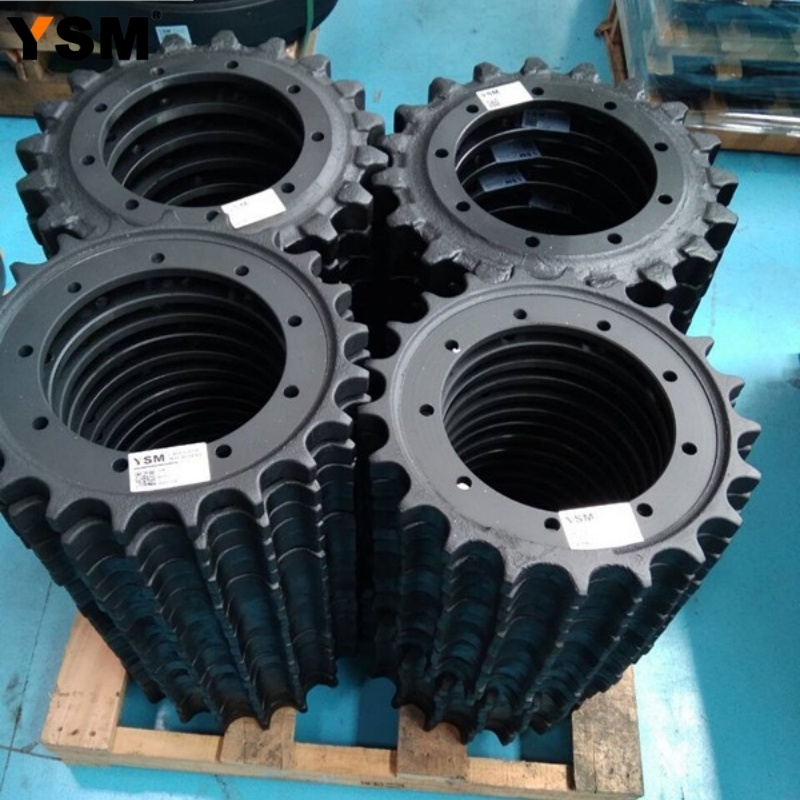
How Should The Supporting Wheels Be Selected To Avoid Stepping On Thunder?
High-quality support wheels mainly depend on the performance of its steel. The material of the roller body is generally 50Mn, 40Mn2, (MN: synonymous with the element of manganese).
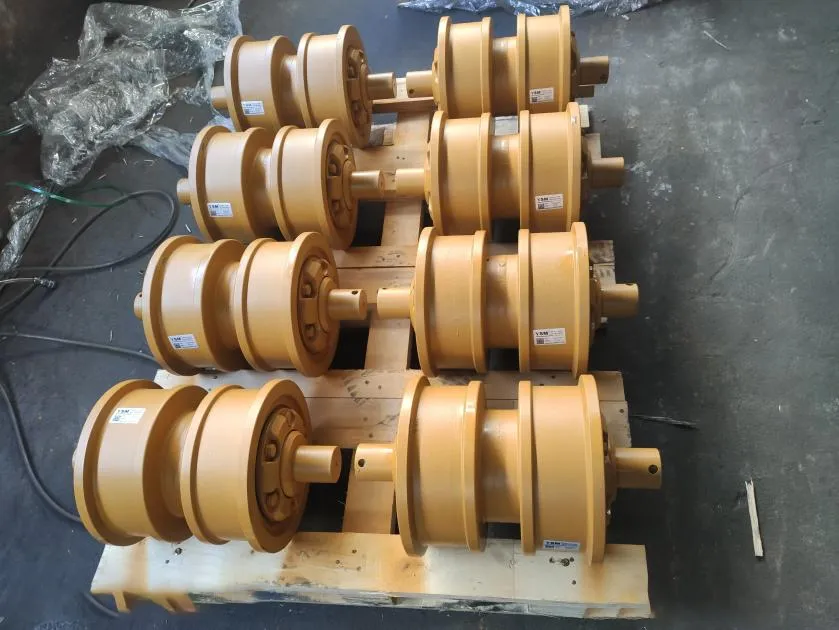
Carrier Wheels Are Suitable For Various Models At Home And Abroad
Sprocket wheels are mainly used in various crawler bulldozers, excavators, pavers, milling machines, rotary drilling rigs or other crawler machinery equipment at home and abroad.
Contact Us
E-mail :
sales@china-ysm.com
Phone/WhatsApp:
+86-18606961587
Address:
No.8 Binjiang Street, Binjiang Industrial Zone, Xiamei Town, Nan An City, Quanzhou City, Fujian Province, China
Request Quote
Andy Shi
No.8 Binjiang Street, Binjiang Industrial Zone, Xiamei Town, Nan An City, Quanzhou City, Fujian Province, China


Request Quote