
-
-
ApplicationOur products consist of undercarriage parts for bulldozer and excavator such as Track link,Track roller,Carrier roller,Sprocket,ldler,Track shoe,Cutting edge,End bit,Tooth Bucket,Track pin,Track bush, Engine parts,Track boit&nuts.U-bolt,Centre bolt,Wheel bolt and other related parts.

-
About UsFujian Yongsheng Machinery Parts Co., Ltd. is located in Quanzhou City, Fujian Province, which is one of the most developed regions of China Machinery Manufacturing.The company was established in 2003, after approximately 10years' effort, and now it is one of the leading construction machinery parts auto parts manufacturers in CHINA.
-
BlogSuppliers who pass Quality ManagementSystem Certification, and have onsitematerials or finished products inspected,as certified by independent third parties.
Choosing the Best Bucket Pin for Your Agricultural Needs: A Comprehensive Guide
Choosing the Best Bucket Pin for Your Agricultural Needs: A Comprehensive Guide Table of Contents Understanding Bucket Pins: What You Need to Know Types of Bucket Pins for Agricultural Equipment Materials Used in Bucket Pins: A Comparison Size and Dimensions: Finding the Right Fit Installation Guide for Bucket Pins Maintenance Tips for Longevity Common Issues with Buck
Feb 13,2026
Choosing the Best Bucket Pin for Your Agricultural Needs: A Comprehensive Guide
Table of Contents
- Understanding Bucket Pins: What You Need to Know
- Types of Bucket Pins for Agricultural Equipment
- Materials Used in Bucket Pins: A Comparison
- Size and Dimensions: Finding the Right Fit
- Installation Guide for Bucket Pins
- Maintenance Tips for Longevity
- Common Issues with Bucket Pins and Their Solutions
- Conclusion
- Frequently Asked Questions (FAQs)
Understanding Bucket Pins: What You Need to Know
Bucket pins play a crucial role in agricultural machinery, particularly in equipment such as loaders, excavators, and backhoes. These small yet vital components connect various parts of a machine, enabling them to work seamlessly together. Understanding their function will help you appreciate their importance in ensuring your equipment runs efficiently.
Bucket pins typically serve as hinge points or pivot points, allowing the bucket or attachment to move as intended. When choosing a bucket pin, consider its compatibility with your specific machinery and its ability to withstand the rigors of agricultural work.
Types of Bucket Pins for Agricultural Equipment
When selecting a bucket pin, it’s essential to understand the different types available. Each type serves specific functions and applications.
1. Standard Bucket Pins
Standard bucket pins are the most common type used in agricultural equipment. They typically feature a straightforward design and are made to fit a variety of machines. These pins offer good durability and strength for general use.
2. Heavy-Duty Bucket Pins
Designed for more rigorous applications, heavy-duty bucket pins are made from high-strength materials. They are ideal for equipment that experiences increased stress or heavier loads. If your machinery is often subjected to tough conditions, opting for heavy-duty pins is advisable.
3. Quick-Release Bucket Pins
Quick-release bucket pins allow for rapid attachment and detachment of buckets or tools. These pins are particularly useful for farmers who frequently switch between different attachments. The convenience of a quick-release pin can significantly enhance productivity.
Materials Used in Bucket Pins: A Comparison
The material of a bucket pin is critical to its performance and longevity. Here are some common materials and their benefits:
1. Steel
Steel pins are the most widely used due to their strength and durability. High-carbon steel pins are particularly resistant to wear and tear, making them suitable for heavy-duty applications.
2. Stainless Steel
Stainless steel pins offer excellent corrosion resistance, making them ideal for use in wet or humid conditions. While they may be more expensive than regular steel, their longevity can justify the investment.
3. Alloy Steel
Alloy steel pins combine various elements to enhance strength and toughness. These pins can withstand extreme conditions and heavy loads, making them a top choice for many agricultural applications.
Size and Dimensions: Finding the Right Fit
Choosing the correct size and dimensions for your bucket pin is essential for ensuring compatibility with your equipment. The size of the pin affects how well it fits into the machinery and how effectively it can transmit force.
1. Measuring Bucket Pins
To measure a bucket pin, you’ll need to consider both its diameter and length. Use calipers to get precise measurements. Ensure to measure the pin's inner diameter if it fits through a bore.
2. Knowing the Right Fit
Always refer to your equipment's specifications or manual to determine the correct size. If unsure, consult with a manufacturer or a knowledgeable dealer to avoid purchasing the wrong pin.
Installation Guide for Bucket Pins
Installing a bucket pin may seem straightforward, but proper installation is crucial for ensuring optimal performance.
1. Tools Needed
Gather the necessary tools before starting the installation process. Common tools include wrenches, pliers, and hammers. A grease gun may also be required for lubrication.
2. Installation Steps
- **Remove Old Pins**: Carefully remove the old pins from your machinery.
- **Clean the Area**: Ensure that the area where the new pin will be inserted is clean and free of debris.
- **Insert the New Pin**: Align the new pin with the holes in your machinery and gently tap it into place.
- **Secure the Pin**: Depending on the type of pin, secure it using cotter pins or clips as necessary.
- **Lubricate**: Apply grease to the pin to ensure smooth movement.
Maintenance Tips for Longevity
Proper maintenance can significantly extend the life of your bucket pins.
1. Regular Inspections
Frequent inspections allow you to identify wear and tear early. Look for signs of rust, bending, or deformation. Replace any damaged pins immediately to prevent further issues.
2. Cleanliness
Keep the area around the bucket pin clean. Dirt and grime can lead to premature wear. Regularly clean the pin and surrounding area, especially after heavy use.
3. Lubrication
Consistently lubricate your bucket pins to reduce friction and wear. Regular lubrication minimizes the chances of rust and keeps the pins functioning optimally.
Common Issues with Bucket Pins and Their Solutions
Despite proper maintenance, issues can still arise with bucket pins. Here are some common problems and solutions.
1. Wear and Tear
**Issue**: Over time, bucket pins can wear down, leading to decreased performance.
**Solution**: Replace worn-out pins promptly to maintain the functionality of your equipment.
2. Rust and Corrosion
**Issue**: Exposure to moisture can cause bucket pins to rust.
**Solution**: Use stainless steel pins in humid conditions, and regularly lubricate to prevent corrosion.
3. Improper Fit
**Issue**: Using the wrong size pin can lead to equipment malfunction.
**Solution**: Always verify the dimensions before purchasing and consult your machinery manual.
Conclusion
Choosing the best bucket pin for your agricultural needs is crucial for the efficiency and effectiveness of your farming equipment. By understanding the types, materials, sizes, and proper maintenance techniques, you can ensure that your machinery operates at its best. Investing time in selecting the right bucket pin will result in enhanced productivity, reduced downtime, and ultimately more successful agricultural operations.
Frequently Asked Questions (FAQs)
1. What is the primary function of a bucket pin?
The primary function of a bucket pin is to serve as a pivot point, allowing the bucket or attachment to move smoothly and efficiently.
2. How often should I replace my bucket pins?
Replacement frequency depends on usage. Regular inspections will help determine when a pin shows significant wear or damage.
3. Can I use standard bucket pins in heavy-duty applications?
While standard bucket pins may fit, heavy-duty pins are recommended for applications that experience higher stress and loads.
4. What is the best material for bucket pins in wet conditions?
Stainless steel is the best choice for wet conditions, as it offers excellent corrosion resistance.
5. How do I know if my bucket pin is the correct size?
Refer to your equipment’s specifications and use calipers to measure the pin's diameter and length to ensure a proper fit.
By following the guidance in this article, you can make an informed decision that will contribute positively to your agricultural operations.
Related Posts
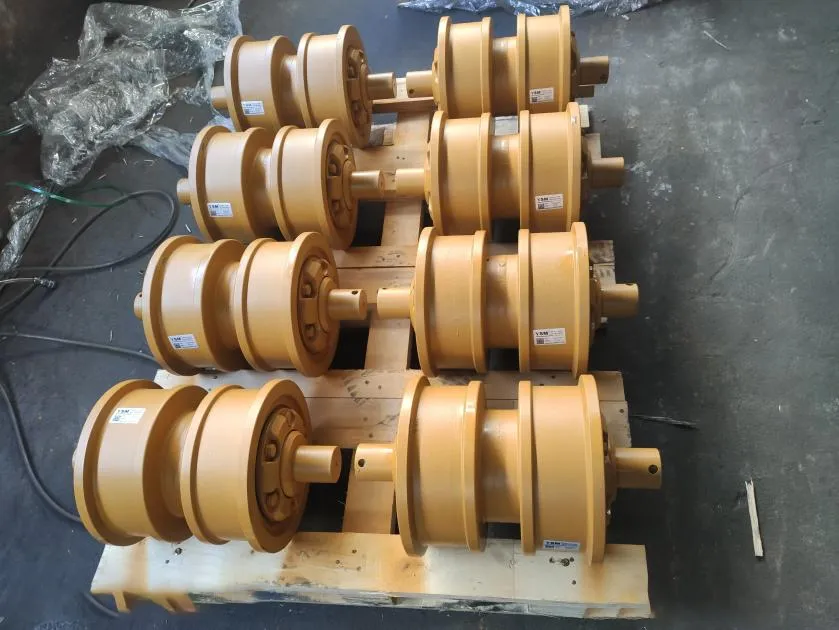
How Should The Supporting Wheels Be Selected To Avoid Stepping On Thunder?
High-quality support wheels mainly depend on the performance of its steel. The material of the roller body is generally 50Mn, 40Mn2, (MN: synonymous with the element of manganese).
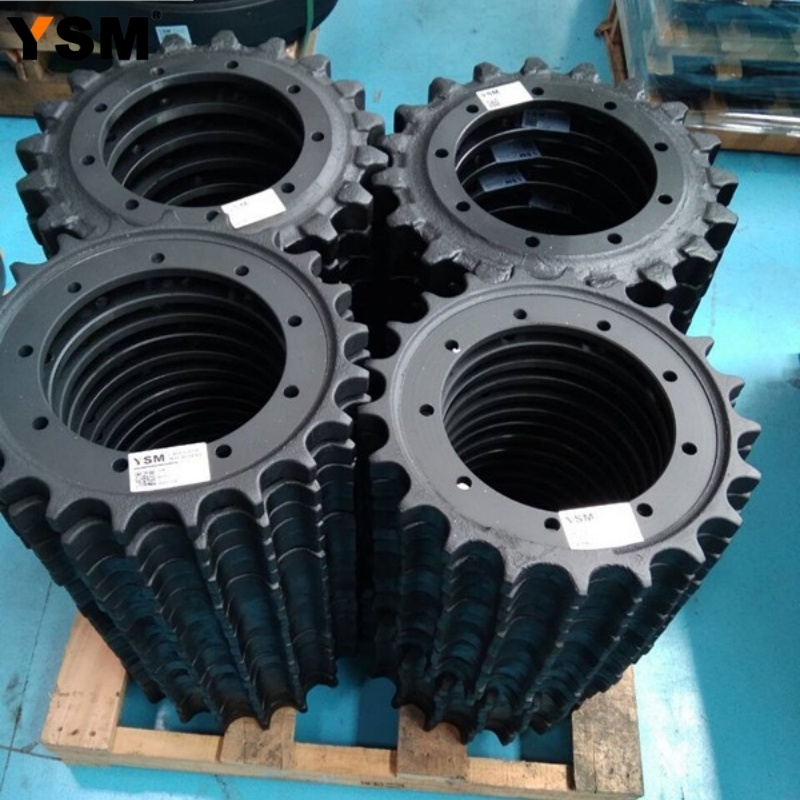
Carrier Wheels Are Suitable For Various Models At Home And Abroad
Sprocket wheels are mainly used in various crawler bulldozers, excavators, pavers, milling machines, rotary drilling rigs or other crawler machinery equipment at home and abroad.
Contact Us
E-mail :
sales@china-ysm.com
Phone/WhatsApp:
+86-18606961587
Address:
No.8 Binjiang Street, Binjiang Industrial Zone, Xiamei Town, Nan An City, Quanzhou City, Fujian Province, China
Request Quote
Andy Shi
No.8 Binjiang Street, Binjiang Industrial Zone, Xiamei Town, Nan An City, Quanzhou City, Fujian Province, China


Request Quote