
-
-
ApplicationOur products consist of undercarriage parts for bulldozer and excavator such as Track link,Track roller,Carrier roller,Sprocket,ldler,Track shoe,Cutting edge,End bit,Tooth Bucket,Track pin,Track bush, Engine parts,Track boit&nuts.U-bolt,Centre bolt,Wheel bolt and other related parts.

-
About UsFujian Yongsheng Machinery Parts Co., Ltd. is located in Quanzhou City, Fujian Province, which is one of the most developed regions of China Machinery Manufacturing.The company was established in 2003, after approximately 10years' effort, and now it is one of the leading construction machinery parts auto parts manufacturers in CHINA.
-
BlogSuppliers who pass Quality ManagementSystem Certification, and have onsitematerials or finished products inspected,as certified by independent third parties.
The Essential Guide to H Links for PC30 Excavator Maintenance
The Essential Guide to H Links for PC30 Excavator Maintenance Table of Contents Introduction to H Links in PC30 Excavators Understanding H Links: Function and Importance Common Issues with H Links in PC30 Excavators Essential Maintenance Tips for H Links When and How to Replace H Links Safety Considerations During Maintenance Tools and Equipment for H Link Maintenance
Mar 03,2026
The Essential Guide to H Links for PC30 Excavator Maintenance
Table of Contents
- Introduction to H Links in PC30 Excavators
- Understanding H Links: Function and Importance
- Common Issues with H Links in PC30 Excavators
- Essential Maintenance Tips for H Links
- When and How to Replace H Links
- Safety Considerations During Maintenance
- Tools and Equipment for H Link Maintenance
- Frequently Asked Questions (FAQs)
- Conclusion: Keeping Your PC30 Excavator in Optimal Condition
Introduction to H Links in PC30 Excavators
The **H Link**, also known as the **H Link assembly**, plays a critical role in the operation of the **PC30 excavator**. It connects the boom and the arm, allowing for effective movement and positioning of the excavator's attachment. Understanding the function and importance of H Links is essential for anyone involved in the maintenance and operation of this heavy machinery. In this guide, we delve into the vital aspects of maintaining H Links, ensuring your excavator operates at peak efficiency.
Understanding H Links: Function and Importance
H Links serve as a pivotal component within the excavator's hydraulic system. Their main functions include:
- Movement: H Links facilitate the articulation of the boom and arm, enabling precise control over digging and lifting actions.
- Load Distribution: They help distribute the load evenly across the excavator's frame, preventing undue stress on individual components.
- Stability: A well-maintained H Link assembly contributes to the overall stability of the excavator, especially during heavy lifting tasks.
Neglecting the maintenance of H Links can lead to a series of operational issues, including reduced efficiency and increased wear on other critical components.
Common Issues with H Links in PC30 Excavators
Understanding the common issues associated with H Links can help you identify problems early, preventing costly repairs. Some prevalent concerns include:
1. Wear and Tear
Over time, the constant movement and pressure on H Links can cause wear, leading to decreased performance. Look for signs of excessive play or looseness in the assembly.
2. Corrosion
Exposure to moisture and harsh environmental conditions can result in corrosion. Regular inspections are necessary to identify rust or degradation.
3. Hydraulic Leaks
Faulty seals or connections can result in hydraulic fluid leaks. This not only compromises efficiency but can also lead to more severe mechanical failures.
4. Misalignment
Misalignment of the H Link due to improper installation or wear can cause uneven load distribution, leading to further damage to the excavator.
Essential Maintenance Tips for H Links
To maintain the efficiency and longevity of your PC30 excavator’s H Links, consider the following maintenance tips:
1. Regular Inspections
Conduct thorough inspections of the H Link assembly at regular intervals. Check for signs of wear, corrosion, or misalignment. Early detection can save time and money.
2. Lubrication
Ensure that the H Links are adequately lubricated to reduce friction and wear. Use the recommended lubricant specified in the operator’s manual.
3. Tightening Bolts and Fasteners
Check the tightness of all bolts and fasteners associated with the H Link assembly. Loose connections can lead to significant operational problems.
4. Cleaning
Keep the H Links clean by removing dirt, debris, and grease buildup. This will prevent corrosion and enhance performance.
5. Monitor Hydraulic System
Regularly check the hydraulic system for leaks and ensure that fluid levels are adequate. Address any issues promptly to avoid further complications.
When and How to Replace H Links
Knowing when to replace H Links is crucial for maintaining your excavator's performance. Here’s a guide to help you determine the right time for replacement and the process involved.
Signs Indicating Replacement
- **Excessive Wear:** If the H Links show visible signs of wear that cannot be rectified through maintenance, replacement is necessary.
- **Frequent Issues:** If you find yourself repairing the H Links regularly, it may be time for a complete replacement.
- **Decreased Performance:** Noticeable drops in performance during operation may indicate that the H Links are no longer functioning effectively.
Replacement Process
1. **Prepare the Excavator:** Ensure the excavator is secured and turned off. Use jack stands to stabilize it.
2. **Remove Old H Links:** Loosen and remove the bolts and fasteners holding the H Links in place. Carefully detach the assembly.
3. **Install New H Links:** Position the new H Links and secure them with the appropriate bolts and fasteners. Ensure everything is aligned correctly.
4. **Test the System:** After installation, run the excavator to test the new H Links. Monitor for any unusual noises or issues during operation.
Safety Considerations During Maintenance
Safety is paramount when performing maintenance on H Links. Here are essential safety tips to keep in mind:
1. Wear Personal Protective Equipment (PPE)
Always wear appropriate PPE, including gloves, goggles, and hard hats, to protect against injury during maintenance tasks.
2. Use Proper Tools
Utilize the right tools for the job to prevent accidents. Using incorrect tools can lead to damage and injuries.
3. Follow Manufacturer Guidelines
Adhere to the manufacturer’s guidelines for maintenance and replacement procedures to ensure safety and compliance.
4. Ensure Stability
Before beginning any work, ensure the excavator is on a stable surface, and use jack stands to prevent it from shifting during maintenance.
Tools and Equipment for H Link Maintenance
Having the right tools and equipment is vital for effective H Link maintenance. Essential tools include:
- **Wrenches and Sockets:** For loosening and tightening bolts.
- **Lubrication Equipment:** For applying lubricants to reduce friction.
- **Cleaning Supplies:** Brushes and solvents for cleaning the H Link assembly.
- **Inspection Tools:** Micrometers and gauges to assess wear and alignment.
Frequently Asked Questions (FAQs)
1. How often should I inspect the H Links on my PC30 excavator?
Regular inspections are recommended every 100 hours of operation or at least once a month, depending on usage.
2. What lubricant is best for H Links?
Refer to the PC30 excavator’s operator manual for the recommended lubricant to ensure compatibility.
3. Can I replace H Links myself?
Yes, if you have the right tools and knowledge, replacing H Links is feasible. However, consulting a professional is advisable to ensure safety and compliance.
4. What are the signs of a failing H Link?
Common signs include excessive wear, strange noises during operation, and decreased digging efficiency.
5. How can I prevent corrosion on H Links?
Regular lubrication and cleaning can significantly reduce the risk of corrosion on H Links.
Conclusion: Keeping Your PC30 Excavator in Optimal Condition
In summary, maintaining the H Links on your PC30 excavator is essential for ensuring reliable performance and extending the life of the equipment. By conducting regular inspections, following crucial maintenance tips, recognizing when to replace components, and adhering to safety protocols, you can optimize your excavator's functionality. This guide serves as a valuable resource for operators and technicians aiming to enhance their understanding of H Links, enabling successful maintenance and operation. Commit to these practices, and you'll keep your PC30 excavator running at its best for years to come.
PREVIOUS:
Related Posts
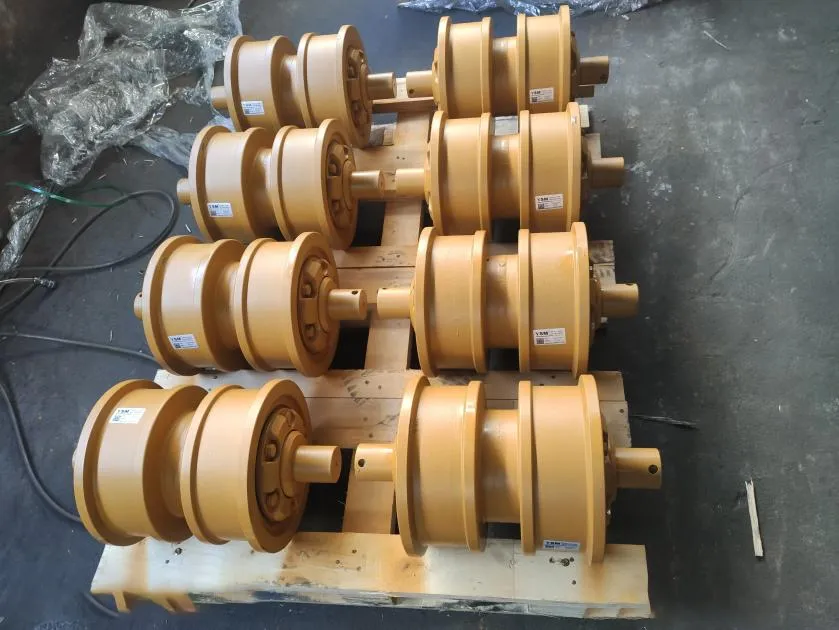
How Should The Supporting Wheels Be Selected To Avoid Stepping On Thunder?
High-quality support wheels mainly depend on the performance of its steel. The material of the roller body is generally 50Mn, 40Mn2, (MN: synonymous with the element of manganese).
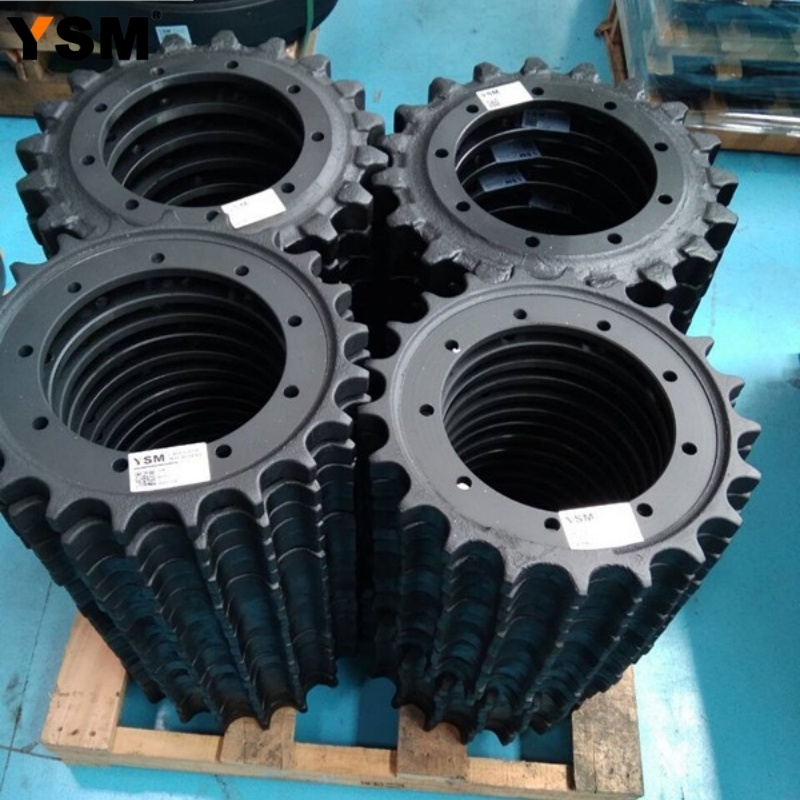
Carrier Wheels Are Suitable For Various Models At Home And Abroad
Sprocket wheels are mainly used in various crawler bulldozers, excavators, pavers, milling machines, rotary drilling rigs or other crawler machinery equipment at home and abroad.
Contact Us
E-mail :
sales@china-ysm.com
Phone/WhatsApp:
+86-18606961587
Address:
No.8 Binjiang Street, Binjiang Industrial Zone, Xiamei Town, Nan An City, Quanzhou City, Fujian Province, China
Request Quote
Andy Shi
No.8 Binjiang Street, Binjiang Industrial Zone, Xiamei Town, Nan An City, Quanzhou City, Fujian Province, China


Request Quote