
-
-
ApplicationOur products consist of undercarriage parts for bulldozer and excavator such as Track link,Track roller,Carrier roller,Sprocket,ldler,Track shoe,Cutting edge,End bit,Tooth Bucket,Track pin,Track bush, Engine parts,Track boit&nuts.U-bolt,Centre bolt,Wheel bolt and other related parts.

-
About UsFujian Yongsheng Machinery Parts Co., Ltd. is located in Quanzhou City, Fujian Province, which is one of the most developed regions of China Machinery Manufacturing.The company was established in 2003, after approximately 10years' effort, and now it is one of the leading construction machinery parts auto parts manufacturers in CHINA.
-
BlogSuppliers who pass Quality ManagementSystem Certification, and have onsitematerials or finished products inspected,as certified by independent third parties.
From ZX70 to ZX450: Choosing the Right Excavator Bucket for Your Project
From ZX70 to ZX450: Choosing the Right Excavator Bucket for Your Project Table of Contents Understanding Excavator Buckets and Their Importance Different Excavator Models: ZX70 vs. ZX450 Types of Excavator Buckets and Their Uses General Purpose Buckets Heavy-Duty Buckets Grading Buckets Rock Buckets Specialty Buckets Key Factors to Consider When Cho
Mar 20,2025
From ZX70 to ZX450: Choosing the Right Excavator Bucket for Your Project
Table of Contents
- Understanding Excavator Buckets and Their Importance
- Different Excavator Models: ZX70 vs. ZX450
- Types of Excavator Buckets and Their Uses
- Key Factors to Consider When Choosing an Excavator Bucket
- Bucket Sizing: Ensuring Compatibility with Your Excavator
- Material Considerations: Durability and Performance
- Maintenance Tips for Excavator Buckets
- FAQs About Excavator Buckets
Understanding Excavator Buckets and Their Importance
When embarking on any construction or excavation project, the choice of **excavator bucket** is paramount. The right bucket can significantly influence the efficiency of your operations, affecting both productivity and safety. **Excavator buckets** are designed to perform a range of tasks, from digging and lifting to grading and carrying materials. Understanding the various types of excavator buckets and their functionalities is essential for achieving optimal results on your project.
Different Excavator Models: ZX70 vs. ZX450
Excavators are available in various sizes and capabilities. Two popular models are the **ZX70** and the **ZX450**. The **ZX70** is a compact excavator known for its agility and versatility, making it ideal for small to medium-sized projects, especially in tight spaces. On the other hand, the **ZX450** is a larger, more powerful machine designed for heavy-duty applications, capable of handling more substantial loads and demanding tasks.
Understanding the specifications and operational capabilities of each model is crucial when selecting the appropriate bucket. For example, a **ZX70** may benefit from a lightweight, general-purpose bucket, while a **ZX450** requires a more robust and heavy-duty bucket to handle larger volumes of material efficiently.
Types of Excavator Buckets and Their Uses
Selecting the right bucket involves understanding the different types available and their specific applications.
General Purpose Buckets
**General purpose buckets** are the most commonly used type of excavator bucket. They are designed for a variety of tasks, including digging, hauling, and loading. These buckets typically feature a curved design that aids in scooping and lifting materials effectively. They are suitable for most landscaping, construction, and excavation tasks.
Heavy-Duty Buckets
For projects that require more strength and durability, **heavy-duty buckets** are the optimal choice. These buckets are built with reinforced structures and high-quality materials to withstand tough conditions. They are ideal for rocky or abrasive materials, making them popular for mining and demolition work.
Grading Buckets
**Grading buckets** feature a flat bottom, allowing for precise grading and leveling of surfaces. These buckets are particularly useful in road construction, landscaping, and site preparation, where accuracy is paramount. They excel at moving dirt and shaping the landscape.
Rock Buckets
When dealing with rocky or tough terrain, **rock buckets** are indispensable. These buckets have larger openings and stronger teeth designed to penetrate tough surfaces. They are specifically engineered to handle heavy, abrasive materials without sustaining damage.
Specialty Buckets
In addition to the standard options, **specialty buckets** are designed for unique applications. Examples include **clamshell buckets** for digging in water and **tilting buckets** that allow for precise material placement. These buckets enhance operational versatility and efficiency.
Key Factors to Consider When Choosing an Excavator Bucket
Choosing the right excavator bucket involves several critical considerations:
1. **Material Type**: The material you will be excavating plays a significant role in bucket selection. Softer materials require different bucket designs compared to more abrasive ones.
2. **Project Scope**: Understanding the scale and nature of your project will inform the bucket size and type needed. Larger projects may necessitate a heavy-duty bucket, while smaller tasks may benefit from a general-purpose option.
3. **Excavator Compatibility**: Ensuring your chosen bucket is compatible with your excavator model is essential. This involves considering the excavator's hydraulic capabilities and weight limits.
4. **Bucket Capacity**: The capacity of the bucket will impact how much material you can move in a single scoop. This is crucial for optimizing efficiency and reducing cycle times.
5. **Durability**: Investing in a durable bucket can save costs in the long run. Look for buckets made from high-strength materials that can withstand wear and tear.
Bucket Sizing: Ensuring Compatibility with Your Excavator
Correct bucket sizing is vital to ensure optimal performance and safety. Each excavator model has specific weight and size limits, and exceeding these can lead to operational challenges and equipment damage. Always refer to the manufacturer's guidelines when selecting bucket sizes.
For the **ZX70**, a bucket capacity ranging from 0.2m³ to 0.6m³ is ideal, while the **ZX450** can accommodate larger buckets, typically from 1.5m³ to 2.5m³, depending on the task.
Material Considerations: Durability and Performance
The construction materials of the bucket itself will greatly affect its performance and lifespan. Most buckets are made from high-strength alloy steels, which provide the necessary durability for tough jobs. When selecting a bucket, consider the following:
- **Hardfacing**: This process involves adding a layer of wear-resistant material to the bucket, significantly extending its lifespan.
- **Edge Type**: The type of edge, whether it’s a tooth or a smooth edge, can influence the bucket’s ability to penetrate material effectively.
Investing in a bucket made from high-quality materials can lead to improved performance and reduced downtime for repairs or replacements.
Maintenance Tips for Excavator Buckets
Regular maintenance is essential for ensuring the longevity and effectiveness of your excavator bucket. Here are some tips to keep in mind:
1. **Inspection**: Regularly check for signs of wear, cracks, or damage. Early identification of issues can prevent more significant problems.
2. **Cleaning**: After use, clean the bucket to remove dirt and debris. This helps prevent rust and corrosion.
3. **Lubrication**: Ensure that all moving parts are adequately lubricated to reduce friction and wear.
4. **Store Properly**: When not in use, store the bucket in a dry, protected environment to prevent exposure to elements that can cause damage.
FAQs About Excavator Buckets
**Q1: How do I know which bucket size is right for my excavator?**
A1: Refer to the manufacturer's specifications for your excavator model, which will detail the recommended bucket sizes.
**Q2: Can I use a general-purpose bucket for heavy-duty tasks?**
A2: While a general-purpose bucket can handle various tasks, it may not withstand heavy-duty applications. It's best to select a heavy-duty bucket for more demanding materials.
**Q3: What is the lifespan of an excavator bucket?**
A3: The lifespan of an excavator bucket varies based on material and usage but generally ranges from several months to a few years with proper maintenance.
**Q4: Are specialty buckets worth the investment?**
A4: Yes, if your projects regularly require specific tasks such as grading or digging in water, specialty buckets can enhance productivity and efficiency.
**Q5: How can I enhance the durability of my excavator bucket?**
A5: Opt for hardfaced or reinforced buckets, perform regular maintenance, and use them appropriately within their designed limits.
Conclusion
Choosing the right excavator bucket is a critical decision that can significantly affect your project's success. From the compact versatility of the ZX70 to the heavy-duty performance of the ZX450, understanding the various types of buckets and their applications is essential. By considering key factors such as material type, bucket size, and project scope, you can select a bucket that enhances efficiency and productivity. Regular maintenance and the right choice of materials will ensure that your excavator bucket serves you well for many projects to come.
Related Posts
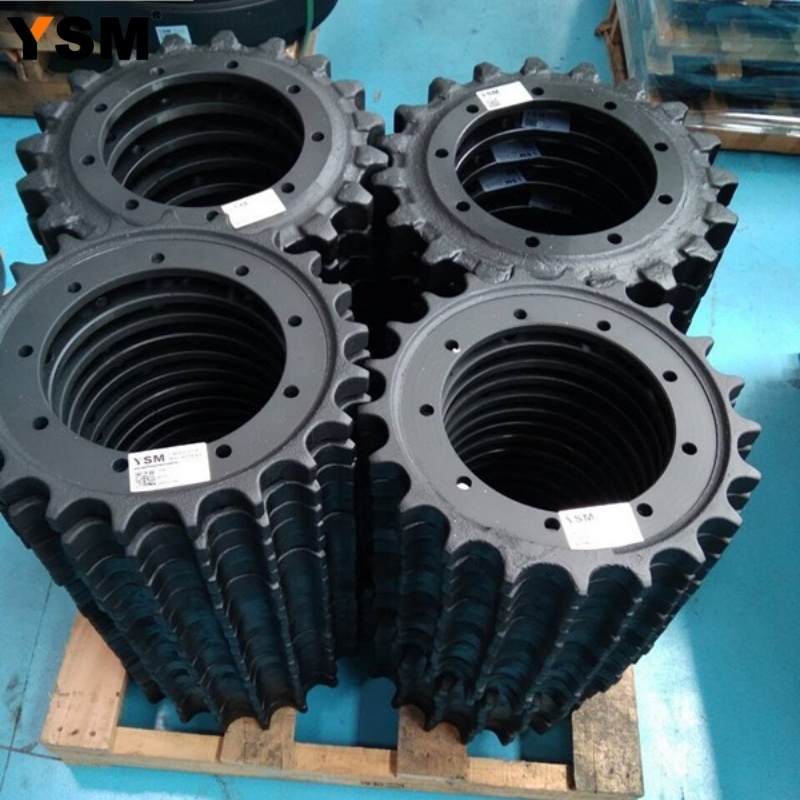
How Should The Supporting Wheels Be Selected To Avoid Stepping On Thunder?
High-quality support wheels mainly depend on the performance of its steel. The material of the roller body is generally 50Mn, 40Mn2, (MN: synonymous with the element of manganese).
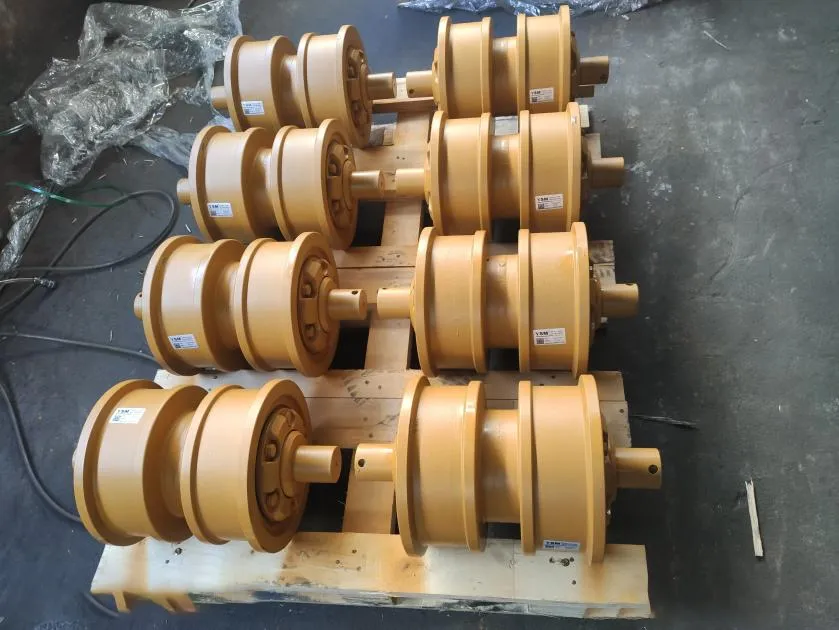
Carrier Wheels Are Suitable For Various Models At Home And Abroad
Sprocket wheels are mainly used in various crawler bulldozers, excavators, pavers, milling machines, rotary drilling rigs or other crawler machinery equipment at home and abroad.
Contact Us
E-mail :
sales@china-ysm.com
Phone/WhatsApp:
+86-18606961587
Address:
No.8 Binjiang Street, Binjiang Industrial Zone, Xiamei Town, Nan An City, Quanzhou City, Fujian Province, China
Request Quote
Andy Shi
No.8 Binjiang Street, Binjiang Industrial Zone, Xiamei Town, Nan An City, Quanzhou City, Fujian Province, China


Request Quote