
Complete-Machine Maintenance · Wet Conditions
Excavator Maintenance After Heavy Rain and Mud: What to Check Before the Next Shift
Heavy rain changes more than surface appearance. Mud can pack around the undercarriage, wet grit can hide leaks and loose hardware, condensation or water can collect in the fuel system, and moisture can expose weak electrical connections. A post-rain inspection should therefore cover the complete excavator—not just wash the tracks.
First Actions After Heavy Rain or Muddy Operation
Start with evidence before cleaning. Photograph the full machine, the depth and location of mud, visible water lines, warning messages and any leaks. This record helps distinguish damage caused by the rain event from older wear and gives the service team useful context.
Remove large clumps with suitable tools from a safe position. Caterpillar and Komatsu guidance both emphasize removing dirt and debris because buildup adds resistance, hides wear and can accelerate damage. Cleaning should reveal inspection surfaces; it should not drive water into seals, breathers, bearings, electrical connectors or the cab.
Do not assume that rain has “washed” the machine. Wet clay and fine sand can settle into track frames, guards, belly pans and cooling fins. As the material dries, it can become harder to remove and may restrict drainage or movement.
Post-Rain Excavator Undercarriage Inspection
The undercarriage carries the machine and is continuously exposed to soil, stones and standing moisture. Inspect one side from the front idler to the rear sprocket, then repeat the same sequence on the other side.
| Area | What to remove or inspect | Why it matters |
|---|---|---|
| Track frame and guards | Packed mud, stones, blocked drain spaces, bent guards and fresh contact marks. | Trapped material can restrict movement, alter running clearance and hide cracks or leaks. |
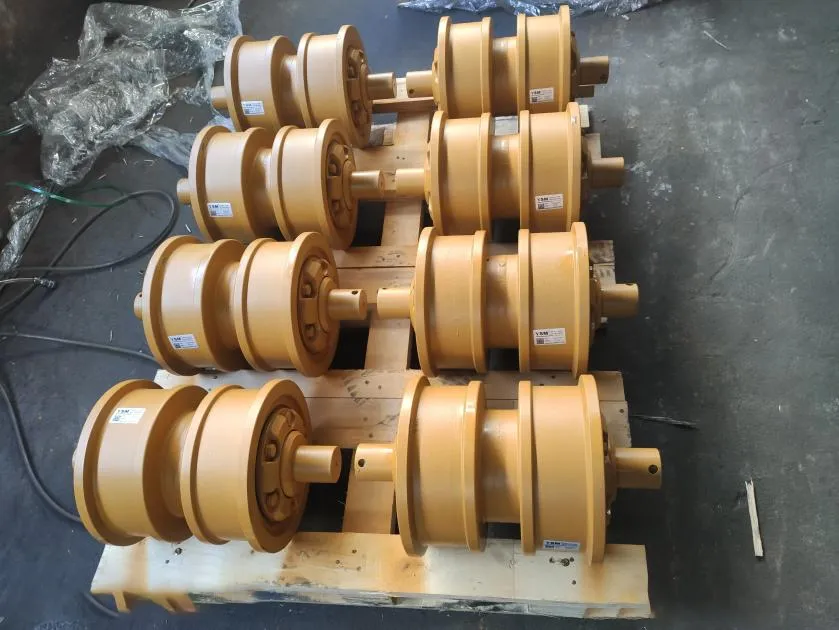
| Track rollers and carrier rollers | Seal-area oil traces, shells that do not appear to rotate, abnormal polishing, flat spots and loose mounts. | Wet dirt may mask leakage; restricted or seized rotation can damage the chain rail. |
| Front idler and adjuster | Mud around the recoil path, grease leakage, abnormal side contact and damaged guides. | The idler must move and guide the chain according to the design; stored grease pressure is a service hazard. |
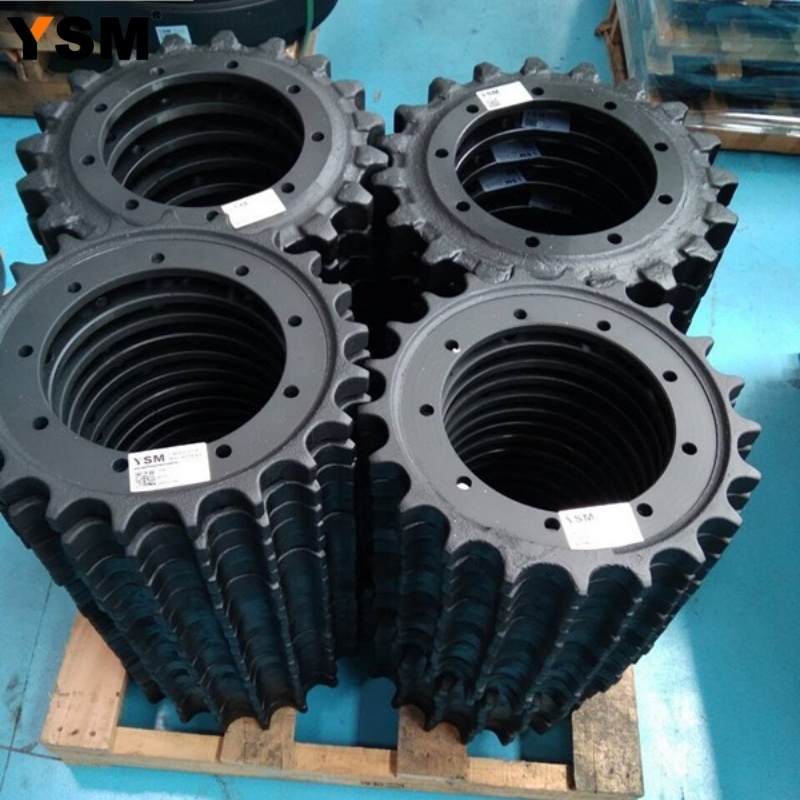
| Sprocket and final-drive area | Packed debris, tooth damage, loose or missing hardware and oil traces near the drive. | The sprocket and chain are mating wear components, while final-drive leakage needs prompt investigation. |
| Track chain, shoes and fasteners | Stiff joints, broken or bent shoes, loose bolts, cracked links and debris trapped between parts. | Wet abrasive material can increase wear; damaged hardware can affect track stability. |
After cleaning, check track adjustment using the exact operation and maintenance manual. Mud changes apparent sag and may keep the chain from settling normally. Never use one universal sag dimension, and never release adjuster grease without the approved procedure and protective equipment.
Compare both sides. One-sided flange contact, unusual tracking or different mud packing can point to slope operation, alignment problems or a damaged component. These are inspection signals, not proof of a single cause.
Check Fuel, Engine and Hydraulic Systems for Water-Related Warning Signs
Fuel and water separator
Outdoor temperature changes and wet storage can contribute to water collection in the primary fuel-filter system. Follow the machine’s indicator and manual for inspection and draining. Do not open a pressurized or hot fuel system, and do not substitute a generic draining interval for the model procedure.
Engine oil, hydraulic oil and final-drive oil
Check levels and appearance at the specified machine condition. Cloudiness, milkiness, an unexplained level increase or separated water can indicate contamination, but visual appearance alone is not a complete oil analysis. If water entry is suspected, stop and obtain fluid sampling or qualified service support before operating.
Breathers, caps and compartments
Inspect damaged caps, missing seals, blocked breathers and standing water around fill points. Clean the area before opening anything. If the machine was submerged above a component’s approved wading limit, treat it as a water-ingress event rather than routine rainy-day maintenance.
Inspect Electrical Connections and Cooling Airflow
Look for water inside lamp housings, damaged harness insulation, loose connectors, green or white corrosion deposits, wet fuse areas and warning messages. Do not probe powered connectors or dry sensitive electronics with uncontrolled high-pressure air. Isolate power and follow the electrical troubleshooting procedure for the exact model.
Check the battery compartment and hold-downs for standing water, loose hardware and corrosion. A machine that cranks slowly, displays unstable voltage or produces multiple unrelated fault codes after heavy rain needs electrical diagnosis rather than repeated restart attempts.
Wet dust can mat across radiator, oil-cooler and condenser surfaces. Caterpillar recommends cleaning cooling components with suitable low-pressure water or air according to the machine procedure. Inspect from both sides where access allows; a clean-looking outer face can hide blockage between stacked coolers.
Cylinders, Work Equipment, Attachments and Cab
Clean exposed cylinder rods and inspect them for scoring, impact damage and contamination around wiper seals. Check boom, arm, linkage, bucket, coupler and attachment hoses for cracks, displaced pins, damaged retainers and fresh leaks. Wet surfaces can make small leaks difficult to distinguish, so clean, dry and recheck.
Inspect steps, handrails and walking surfaces because mud increases slip risk. Clear water from the cab floor and confirm that pedals return freely. Check windows, mirrors, cameras, lights and wipers before travel. Do not operate if visibility or access is unsafe.
Grease only the points and intervals specified by the exact manual. Greasing can purge some contamination at certain joints, but it cannot repair a damaged seal, pin, bushing or bearing, and it should not be used to conceal abnormal movement.
Controlled Restart and When Not to Operate
If no water-ingress warning is found and the manual permits restart, begin with the machine stationary. Watch the monitor, listen for abnormal sounds and check for leaks. Test basic functions at low speed in a clear area, then re-inspect. Do not immediately return to full load.
Lightning, flooding, bank collapse and unstable soil are operational safety issues, not maintenance problems. Site clearance and recovery planning must come before machine inspection.
Turn the Rain Event Into a Useful Maintenance Record
Record the date, rainfall or water exposure, operating area, estimated water depth, machine hours, warnings, cleaning performed, fluid observations, photos and follow-up actions. Note the exact roller, idler or shoe position when damage is found. A repeatable record helps identify whether wear is progressing or whether one event caused a change.
If undercarriage parts require measurement or replacement, evaluate the system rather than one isolated surface. Track rollers, carrier rollers, idlers, sprockets, track chains, shoes and fasteners work together. Check the chain rail, alignment, track tension and mating wear before deciding the repair scope.
For parts identification, prepare the equipment brand, complete model and suffix, serial number or PIN, part name and number, clear photos, critical dimensions, quantity, destination country and operating conditions. Machines in the same family may use different components across generations, markets and serial ranges.
Frequently Asked Questions
Should an excavator be pressure-washed immediately after rain?
Remove mud before it hardens, but use the cleaning method and pressure allowed by the manufacturer. Avoid directing high pressure at seals, bearings, breathers, electrical connectors and sensitive surfaces.
Does milky hydraulic oil always mean rainwater entered the tank?
Milky appearance can indicate water or aeration, but it is not a complete diagnosis. Stop, check the machine condition and obtain qualified inspection or oil analysis before deciding the corrective action.
Can track tension be checked while mud is packed in the frame?
No reliable judgment should be made until the undercarriage is cleaned and positioned as the manual specifies. Packed material can change apparent sag and loading.
Is normal rain the same as machine submersion?
No. Submersion can expose breathers, seals, electrical equipment and fluids to water beyond the machine’s designed operating condition. It requires a more extensive inspection before restart.
Which undercarriage parts are most useful to photograph?
Photograph the full left and right sides plus close views of rollers, idler, sprocket, chain links, shoes, fasteners, guards, leaks and the serial plate. Include a ruler or caliper when dimensions are requested.
Technical References
- Caterpillar: Your Six-Step Excavator Maintenance Checklist — undercarriage, tracks, filters, water separator, cooling and attachments.
- Komatsu undercarriage maintenance tips — cleaning, model-specific adjustment and wet-condition wear context.
- Caterpillar: How to Clean Heavy Equipment — cleaning sequence, protective equipment and drying.
- SANY: 2026 Excavator Maintenance Process Guide — current maintenance, water-separator and undercarriage-cleaning context.
This article provides a general inspection framework. Service limits, wading limits, fluids, procedures and maintenance intervals must come from the exact machine’s operation and maintenance manual.
Ask Our Undercarriage Team About Parts Found During a Post-Rain Inspection
We can check suitable supply options for track rollers, carrier rollers, idlers, sprockets, track chains, track shoes, track assemblies and related fasteners. Other requested maintenance items can be reviewed separately for suitable sourcing where available.
Corporate Email: sales@china-ysm.com
WhatsApp: +86-18606961587
For a fitment check, send the brand, complete model and suffix, serial number/PIN, part name, part number, clear photos, requested dimensions, quantity, destination country and working condition. Compatibility and availability must be confirmed before ordering.