
Complete-machine dozer maintenance and inspection
Komatsu D51EX-24 and D51PX-24 Pre-Shift Maintenance Checklist
Komatsu D51EX-24 and D51PX-24 daily maintenance should cover the complete machine, not just track tension or visible shoe wear. Build the pre-shift check around the exact operation and maintenance manual, then record fluids, cooling, hydraulics, travel-system warnings, crawler condition, blade hardware, and safety equipment in a repeatable order.
1. Identify the D51 configuration and inspection limits
Record the full EX or PX designation, -24 generation, serial number, market, operating hours, rear attachment, and installed crawler. Keep EXi or PXi intelligent-control variants fully identified when applicable.
The official US D51 pages identify a PLUS undercarriage, electronically controlled hydrostatic transmission, and a power-angle-tilt blade. Treat these as reference features, not proof that a used machine has never been modified. Check its own manual and repair records.
This independent educational guide is not affiliated with or endorsed by Komatsu. The checklist below organizes observations; it does not prescribe service-hour intervals, lubricant grades, adjustment values, or a complete safety-test procedure.
2. Begin with the ground, access, and machine exterior
Park on a suitable stable surface, lower the blade and rear attachment as instructed, stop the machine, and apply the required isolation before close inspection. Look for fresh puddles, debris, unsecured covers, damaged guards, or a changed machine stance.
Check access steps, handholds, cab glass, mirrors or cameras, lights, and safety labels. Keep access surfaces clear. Do not climb on a track or remove a guard simply to obtain a better view of a defect.
Record whether a leak trace is fresh, cleaned, or left from earlier service. Photograph its location and keep the observation separate from a diagnosis. If access is unsafe or blocked, mark it as not inspected.
3. Check fluids, intake, filters, and cooling safely
Use the manual's specified machine position, temperature, engine state, and waiting conditions for each fluid check. Record abnormal levels or changes from the previous shift. Do not open a hot pressurized cooling system or top up repeatedly without reporting unexplained loss.
Review the fuel and water-separator indications, air-cleaner restriction information, and other service warnings as fitted. Follow the specified response rather than opening filters unnecessarily. Keep dirt out of fill and service points and use only the correct approved fluids.
Komatsu describes a reversing, swing-up cooling fan that improves access to the radiator and coolers. That access feature does not make the fan safe to approach while energized. Follow the exact shutdown, support, access, and cleaning instructions; inspect for blockage, damage, or leakage without improvised pressure or tools.
4. Inspect hydraulic and work-equipment areas
Look at accessible hoses, clamps, guards, fittings, cylinders, and routing for damage, chafing, or leak traces. Do not use a hand to search for a pressurized leak. Stored pressure and heavy work equipment require the proper isolation and service procedures.
Check the blade, cutting edges, end bits, retainers, and visible mounting hardware for damage or movement. Record abnormal pin or joint findings for assessment; a walk-around cannot establish every internal clearance.
Follow the exact lubrication chart for the installed machine and attachment. Do not make every visible plug a greasing point. Wear components and structural or hydraulic faults may require different specialists even when the symptoms appear near the same blade assembly.
5. Record HST warnings and operating symptoms
The D51-24 uses electronically controlled HST. If the operator reports unusual travel response, warning messages, a changed sound, or an abnormal temperature indication, record the circumstances and complete displayed codes. Do not immediately conclude that a pump, motor, controller, or final drive has failed.
Fluid checks, filters, controls, crawler resistance, and operating conditions belong to different parts of the investigation. A visual check is not a hydraulic-pressure test or permission to keep operating through a warning.
Any start-up, brake, steering, or travel verification must follow the exact manual in a controlled area with a qualified operator. This guide does not describe a brake-test setup, stall test, bypass, or calibration procedure.
6. Inspect the PLUS crawler without assuming it is maintenance-free
Komatsu's family brochure identifies rotating bushings in PLUS. This changes the context for conventional bushing-turn assumptions, but it does not remove the need to inspect joints, links, shoes, rollers, idlers, sprockets, guards, and fasteners.
Record cracks, damaged or shifted components, leakage, unusual contact, and loose or missing hardware by side and position. Clean enough packed material away for a meaningful observation. Use the correct wear references when measurement is required.
The brochure also describes a self-adjusting idler support. That is not a statement that track sag adjusts itself automatically. Check tension only using the exact procedure and obtain qualified help for pressure release, adjustment problems, or recoil-system concerns.
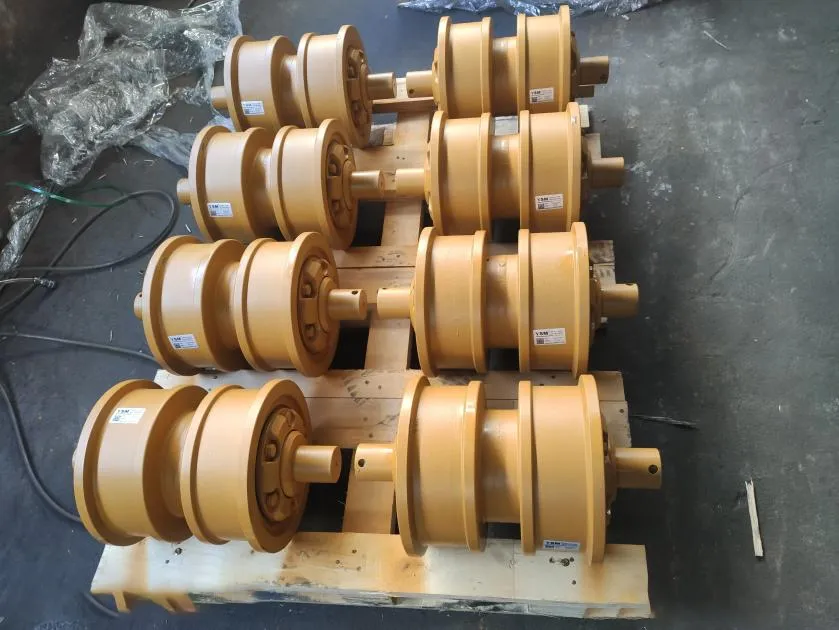
Preserve EX/PX and installed-system identification during any parts inquiry. A broad D51 listing or similar-looking roller is not proof of compatibility.
7. Complete operator-area checks and defect follow-up
Inspect the seat belt, access and exit arrangements, visible wiring, and safety equipment as instructed. After the parked inspection is complete, the qualified operator should perform the manual's specified indicator, warning, interlock, and control checks. Never bypass a warning device to complete a shift.
| Record | Example information |
|---|---|
| Observation | Exact location, symptom, photo or displayed code |
| Context | Cold or warm condition, operating mode, material, recent repair |
| Decision | Accepted under procedure, restricted, or awaiting assessment |
| Action | Responsible person, required work, and follow-up evidence |
If a condition could affect safe travel, work-equipment control, access, or operator protection, keep the machine out of ordinary service pending the appropriate assessment. Do not label every leak or noise with the same severity, but do not treat uncertainty as approval.
For a parts inquiry, include brand, full model, serial number, part number, clear photographs, requested dimensions, quantity, destination, and working conditions. Keep the pre-shift record separate from completed scheduled-service records.
Frequently Asked Questions
Does this replace the D51 operation and maintenance manual?
No. It is a planning framework. The exact manual governs inspection conditions, values, service intervals, safety checks, and procedures.
Does PLUS mean the crawler needs no maintenance?
No. Identify the installed system and follow its inspection and service requirements. Do not apply conventional-chain work automatically.
Does the self-adjusting idler support set track tension automatically?
Do not interpret it that way. The support feature does not replace the exact manual-based track-tension check and adjustment procedure.
Can a travel warning identify a failed HST component?
Not by itself. Preserve the code and operating context and obtain qualified diagnosis before ordering a pump, motor, or other major component.
Technical references
Support a Verified D51-24 Maintenance Parts Inquiry
We are a China-based manufacturer and wholesale supplier focused on excavator and dozer undercarriage parts. Send the exact D51 configuration and inspection findings so our team can check suitable supply options for:
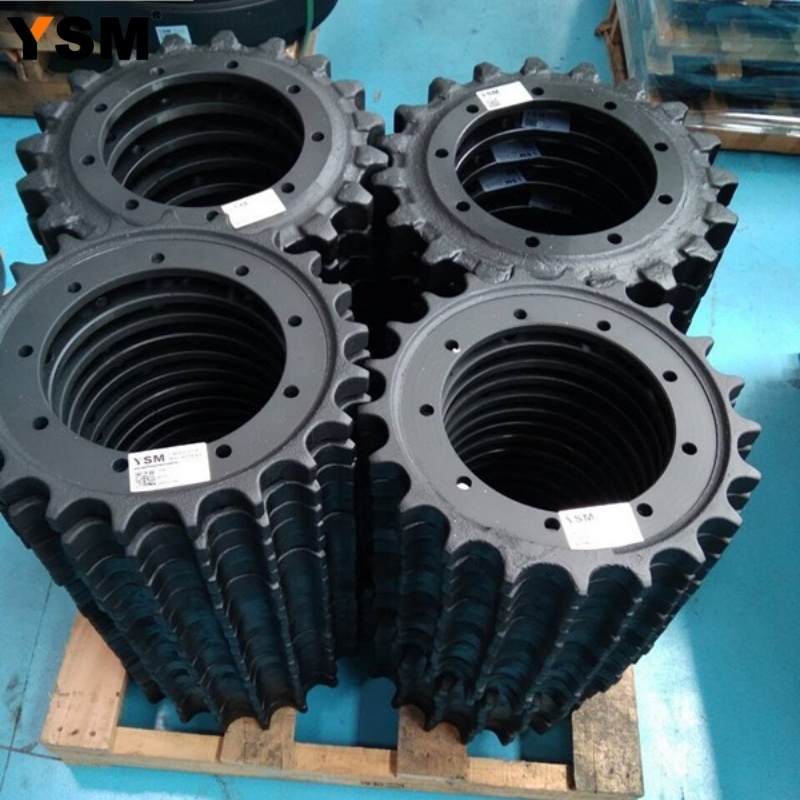
- track rollers, carrier rollers, idlers, and sprockets;
- track chains, shoes, complete track assemblies, bolts, and nuts;
- other maintenance items only as a separately checked sourcing request, not a claim of in-house manufacture;
Corporate Email: sales@china-ysm.com
WhatsApp: +86-18606961587
Compatibility and availability must be confirmed from the complete model, serial number, part number, clear photos, and requested dimensions before ordering. Include quantity, destination country, and working conditions.