
-
-
ApplicationOur products consist of undercarriage parts for bulldozer and excavator such as Track link,Track roller,Carrier roller,Sprocket,ldler,Track shoe,Cutting edge,End bit,Tooth Bucket,Track pin,Track bush, Engine parts,Track boit&nuts.U-bolt,Centre bolt,Wheel bolt and other related parts.

-
About UsFujian Yongsheng Machinery Parts Co., Ltd. is located in Quanzhou City, Fujian Province, which is one of the most developed regions of China Machinery Manufacturing.The company was established in 2003, after approximately 10years' effort, and now it is one of the leading construction machinery parts auto parts manufacturers in CHINA.
-
BlogSuppliers who pass Quality ManagementSystem Certification, and have onsitematerials or finished products inspected,as certified by independent third parties.
The Complete Guide to Excavator Bucket Components: Teeth, Adapters, Side Cutters & Maintenance Strategies for Maximum Productivity
Maximize your excavator's productivity with our comprehensive guide to bucket components. Learn about types of bucket teeth, adapters, side cutters, and maintenance strategies.
Jul 03,2026
The Complete Guide to Excavator Bucket Components: Teeth, Adapters, Side Cutters & Maintenance Strategies for Maximum Productivity
In the world of earthmoving and construction, the efficiency of an excavator is largely determined by its business end—the bucket. However, a bucket is only as effective as the components attached to it. These components, collectively known as Ground Engaging Tools (G.E.T.), are critical for protecting the bucket structure and ensuring optimal penetration and material flow. For fleet operators and procurement managers, understanding these parts is essential for reducing downtime and optimizing the cost-per-hour of operation.
Part 1: Understanding the Excavator Bucket System
The excavator bucket system is a complex assembly designed to withstand extreme forces while performing diverse tasks, from trenching in soft soil to breaking through solid rock. The primary goal of bucket components is to provide a sacrificial wear surface that protects the more expensive bucket shell.
Key Performance Metrics
- Penetration Force: The ability of the bucket to break into the ground, determined by the sharpness and design of the bucket teeth.
- Capacity: The volume of material the bucket can hold, which can be affected by the profile of the side cutters and lip shrouds.
- Durability: The lifespan of the components under specific working conditions (abrasion vs. impact).
Part 2: Bucket Teeth - The Critical Wear Component
Bucket teeth are the most frequently replaced components in the excavator system. They are the frontline against the earth, absorbing the brunt of the impact and abrasion.
Types of Excavator Bucket Teeth
Choosing the right tooth type is crucial for efficiency. Common variations include:
| Tooth Type | Application | Key Advantage |
|---|---|---|
| Standard/General Purpose | Dirt, sand, and loose gravel | Balanced wear and penetration |
| Tiger Tooth (Single Point) | Hard clay, frost, and shale | Maximum penetration in tight materials |
| Twin Tiger (Double Point) | Extreme penetration needs | Clears material better in sticky conditions |
| Rock Chisel | Rock and abrasive materials | Heavy-duty reinforced design for impact |
Material Science and Wear Patterns
High-quality bucket teeth are typically manufactured from high-grade alloy steels (such as Chromium-Molybdenum) and heat-treated to reach hardness levels between 450 and 550 Brinell (HB). Understanding excavator bucket teeth wear guides is essential; look for blunting or rounding of the tip, which increases fuel consumption and stresses the machine's hydraulic system. Replacing teeth before they wear through to the adapter is a critical cost-saving strategy.
Part 3: Bucket Tooth Adapters & Mounting Systems
The adapter is the bridge between the bucket lip and the tooth. A stable mounting system prevents the "rocking motion" that leads to premature failure of both the tooth and the bucket lip.
Installation Best Practices
Whether using weld-on or bolt-on adapters, ensuring a clean fit-up is paramount. When referencing a bucket tooth adapter measurement chart, ensure the adapter size matches the lip thickness and the intended tooth size. For weld-on versions, proper pre-heating and the use of the correct welding electrodes are necessary to prevent hydrogen cracking in the high-strength steel.
Part 4: Side Cutters - Precision Cutting Performance
Side cutters are often overlooked but play a vital role in protecting the bucket's side plates and facilitating a clean, vertical cut. This is particularly important in trenching applications where wall stability is required.
When comparing excavator side cutters vs. side protectors, cutters are designed to increase the bucket's width and improve penetration, while protectors (or shrouds) focus purely on shielding the side plate from abrasion. YSM side cutters are engineered with reinforced edges to maintain their profile even in highly abrasive soil conditions.
Part 5: Blades, Bolts & Supporting Components
The bucket blade (or cutting edge) provides the structural foundation for the bucket lip. In many ditching and grading buckets, a bolt-on cutting edge is preferred for its ease of replacement. High-strength excavator bucket bolts and nuts (Grade 10.9 or higher) are required to withstand the shearing forces during operation. Using inferior hardware can lead to the loss of a cutting edge, potentially resulting in catastrophic bucket damage.
Part 6: Bucket Maintenance & Optimization Strategy
Effective maintenance turns reactive repairs into proactive management. Implement the following daily inspection checklist:
- Check for loose or missing pins and retainers in bucket teeth.
- Inspect adapters for cracks or excessive movement.
- Verify that side cutter bolts are tight and edges are not excessively rounded.
- Monitor the bucket lip and side plates for signs of structural cracking.
By tracking the wear rate and calculating the cost-per-hour, operators can determine the optimal replacement window, balancing the excavator bucket teeth price against the loss of productivity from using blunt tools.
Part 7: Product Selection & Procurement Strategy
When it comes to sourcing, the debate often centers on aftermarket vs. OEM bucket teeth. While OEM parts offer guaranteed fitment, high-quality aftermarket manufacturers like YSM Factory provide identical performance at a significantly lower cost.
Why Choose YSM Factory?
YSM specializes in the manufacturing of heavy-duty G.E.T. components for all major brands, including CAT, Komatsu, Volvo, and Hyundai. Our products are forged or cast using proprietary alloy compositions that maximize both hardness and toughness.
- Precision Manufacturing: Guaranteed compatibility with your existing bucket systems.
- Customization: We offer specialized designs for unique ground conditions, such as high-impact rock or high-abrasion sand.
- Supply Chain Reliability: Global distribution network ensuring you get the parts you need, when you need them.
Invest in quality. Lower your costs. Maximize your uptime.
Contact Our Technical Team
For a free application assessment, sample request, or technical consultation:
Email: sales@china-ysm.com
Phone: +86-18606961587
We're committed to helping you optimize your bucket component selection and reduce operational costs.
Related Posts
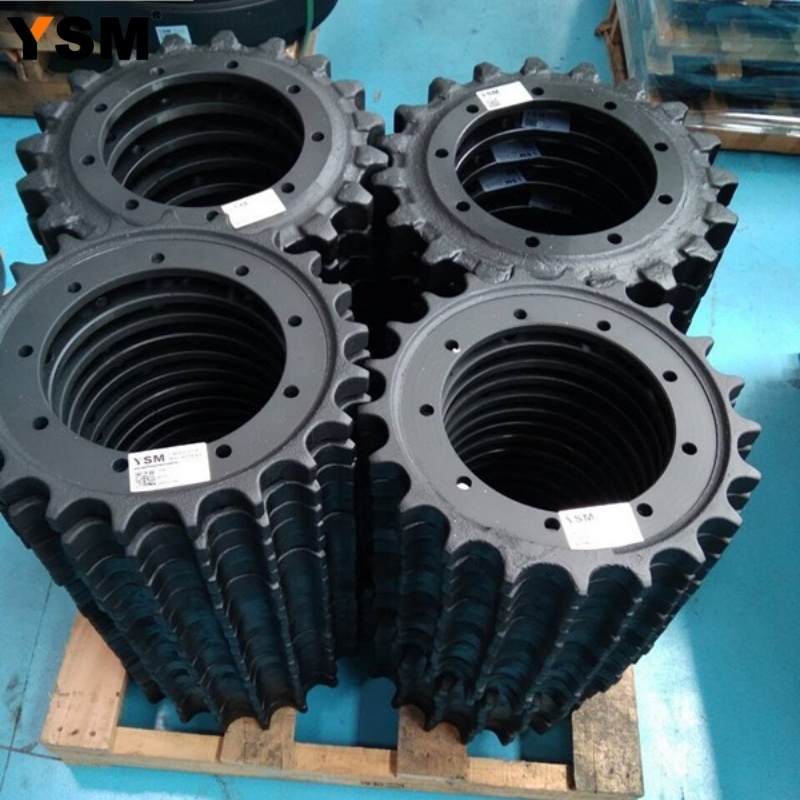
How Should The Supporting Wheels Be Selected To Avoid Stepping On Thunder?
High-quality support wheels mainly depend on the performance of its steel. The material of the roller body is generally 50Mn, 40Mn2, (MN: synonymous with the element of manganese).
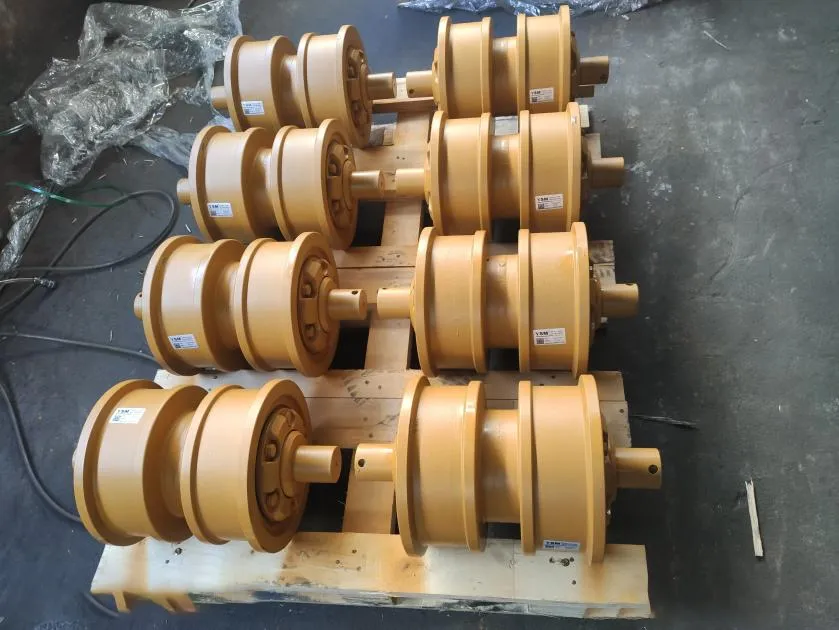
Carrier Wheels Are Suitable For Various Models At Home And Abroad
Sprocket wheels are mainly used in various crawler bulldozers, excavators, pavers, milling machines, rotary drilling rigs or other crawler machinery equipment at home and abroad.
Contact Us
E-mail :
sales@china-ysm.com
Phone/WhatsApp:
+86-18606961587
Address:
No.8 Binjiang Street, Binjiang Industrial Zone, Xiamei Town, Nan An City, Quanzhou City, Fujian Province, China
Request Quote
Andy Shi
No.8 Binjiang Street, Binjiang Industrial Zone, Xiamei Town, Nan An City, Quanzhou City, Fujian Province, China


Request Quote