
-
-
ApplicationOur products consist of undercarriage parts for bulldozer and excavator such as Track link,Track roller,Carrier roller,Sprocket,ldler,Track shoe,Cutting edge,End bit,Tooth Bucket,Track pin,Track bush, Engine parts,Track boit&nuts.U-bolt,Centre bolt,Wheel bolt and other related parts.

-
About UsFujian Yongsheng Machinery Parts Co., Ltd. is located in Quanzhou City, Fujian Province, which is one of the most developed regions of China Machinery Manufacturing.The company was established in 2003, after approximately 10years' effort, and now it is one of the leading construction machinery parts auto parts manufacturers in CHINA.
-
BlogSuppliers who pass Quality ManagementSystem Certification, and have onsitematerials or finished products inspected,as certified by independent third parties.
7D1158: The Future of Cutting Edge Industrial Equipment
7D1158: The Future of Cutting Edge Industrial Equipment Table of Contents Introduction to Cutting Edge Industrial Equipment Understanding Blade Technology: The 7D1158 Exemplified The Evolution of Industrial Cutting Tools The Importance of Precision in Modern Manufacturing Sustainability and Efficiency: The New Norms Future Trends in Blade Technology Choosing the Right
Sep 03,2025
7D1158: The Future of Cutting Edge Industrial Equipment
Table of Contents
- Introduction to Cutting Edge Industrial Equipment
- Understanding Blade Technology: The 7D1158 Exemplified
- The Evolution of Industrial Cutting Tools
- The Importance of Precision in Modern Manufacturing
- Sustainability and Efficiency: The New Norms
- Future Trends in Blade Technology
- Choosing the Right Tools for Your Operations
- FAQs about Industrial Equipment and Blade Technology
- Conclusion: The Future of Industrial Equipment
Introduction to Cutting Edge Industrial Equipment
The industrial landscape is evolving rapidly, driven by technological advancements and the need for greater operational efficiency. At the forefront of this change is the 7D1158, a groundbreaking blade technology that promises to revolutionize the way industries approach cutting tasks. As we delve deeper into this subject, we will explore the significance of cutting-edge industrial equipment and how it shapes the future of manufacturing.
Understanding Blade Technology: The 7D1158 Exemplified
The 7D1158 blade is not just another tool; it represents a significant leap in cutting technology, engineered for specific industrial applications. This blade features advanced materials and design that enhance its durability, sharpness, and performance. This section delves into the technical specifications of the 7D1158, highlighting its unique features such as:
1. Material Composition
The 7D1158 is crafted from high-grade steel alloys, providing a perfect blend of strength and flexibility. This ensures a longer lifespan and resistance to wear, crucial for high-volume industrial applications.
2. Precision Engineering
Through state-of-the-art manufacturing processes, the 7D1158 is engineered to achieve precision cuts that reduce material wastage and improve overall efficiency.
3. Versatility
The adaptability of the 7D1158 makes it suitable for various cutting scenarios, whether in metalworking, woodworking, or composite materials. This versatility allows industries to streamline their operations without compromising on quality.
The Evolution of Industrial Cutting Tools
Industrial equipment has undergone significant transformation over the decades. The transition from manual tools to automated machines represents a pivotal moment in manufacturing history. Key developments include:
1. Manual to Automatic
The shift towards automation has significantly boosted productivity, allowing for faster production rates and improving overall accuracy.
2. Introduction of Smart Tools
With the advent of the Internet of Things (IoT), smart cutting tools equipped with sensors and connectivity features are emerging. These tools provide real-time data on performance, enabling proactive maintenance and better resource management.
3. Integration of AI and Machine Learning
Artificial intelligence is beginning to play a vital role in optimizing cutting processes. Machine learning algorithms can analyze performance data to suggest improvements, further enhancing tool longevity and efficiency.
The Importance of Precision in Modern Manufacturing
Precision is a cornerstone of successful manufacturing. In an environment where tolerances are tight, the 7D1158 stands out for its ability to deliver consistent, high-quality results. The implications of precision in industrial cutting applications include:
1. Cost Efficiency
Minimizing errors and waste translates to significant cost savings for manufacturers. With tools that provide precision cuts, companies can maximize their raw material usage.
2. Product Quality
High-quality cuts lead to superior final products, which can enhance customer satisfaction and brand loyalty. The 7D1158 plays a crucial role in maintaining these high standards.
3. Competitive Advantage
In a competitive market, companies that leverage advanced cutting technology can differentiate themselves. The ability to quickly adapt to changing market demands while maintaining quality gives forward-thinking manufacturers a distinct edge.
Sustainability and Efficiency: The New Norms
As industries grapple with increasing pressure to adopt sustainable practices, the 7D1158 aligns with these objectives by promoting both efficiency and environmental responsibility. Key aspects include:
1. Reduced Material Waste
Precision cutting tools like the 7D1158 minimize waste through accurate cuts, contributing to a reduction in material costs and environmental impact.
2. Energy Efficiency
With innovative design and materials, the 7D1158 operates at lower energy levels, helping companies reduce their carbon footprint.
3. Lifecycle Management
The durability of the 7D1158 means less frequent replacements, which not only lowers costs but also reduces the environmental impact associated with manufacturing and disposing of industrial tools.
Future Trends in Blade Technology
As we look ahead, several trends are emerging in blade technology that will shape the future of industrial equipment. These include:
1. Advanced Coatings
Future blades may incorporate advanced coatings that enhance performance characteristics, such as increased hardness and resistance to corrosion.
2. Customization and Personalization
As industries seek tailored solutions, there is a growing trend toward customized cutting tools that meet specific operational needs.
3. Collaborative Robotics
The integration of collaborative robots (cobots) with cutting tools will likely become commonplace, enhancing productivity while ensuring safety in the workplace.
Choosing the Right Tools for Your Operations
Selecting the appropriate cutting tools is crucial for any manufacturing operation. Here are essential considerations to keep in mind:
1. Assess Your Needs
Evaluate the specific requirements of your operations, including material types, thickness, and desired cut quality.
2. Consider Longevity and Cost
While initial costs are important, consider the total cost of ownership, including maintenance and replacement frequency.
3. Seek Expert Guidance
Engaging with industry experts can provide insights into the latest technologies and help identify the best tools for your specific applications.
FAQs about Industrial Equipment and Blade Technology
1. What types of materials can the 7D1158 blade cut?
The 7D1158 blade is designed to cut a wide range of materials, including metals, plastics, and composites, making it versatile for various industrial applications.
2. How does the 7D1158 compare to traditional cutting tools?
The 7D1158 offers enhanced durability, precision, and efficiency compared to traditional cutting tools, resulting in lower production costs and higher-quality outputs.
3. What kind of maintenance does the 7D1158 require?
Regular inspection and proper cleaning after use are essential to maintain the performance of the 7D1158. Following manufacturer guidelines for maintenance can significantly extend its lifespan.
4. Can the 7D1158 be used with automated machinery?
Yes, the 7D1158 is compatible with various automated cutting machines, enhancing operational efficiency and precision.
5. What trends should we expect in industrial cutting technology?
Expect advancements in smart technologies, AI integration, and sustainable practices to dominate the future landscape of industrial cutting technology.
Conclusion: The Future of Industrial Equipment
As we navigate the future of industrial equipment, the 7D1158 blade stands as a beacon of innovation and efficiency. This cutting-edge technology not only enhances precision and sustainability but also positions manufacturers for success in a rapidly evolving market. Embracing advancements in blade technology is essential for any business aiming to thrive in today’s competitive landscape. Adopting tools like the 7D1158 is not just a step towards improved operational efficiency; it is a commitment to innovation and excellence in manufacturing.
Related Posts
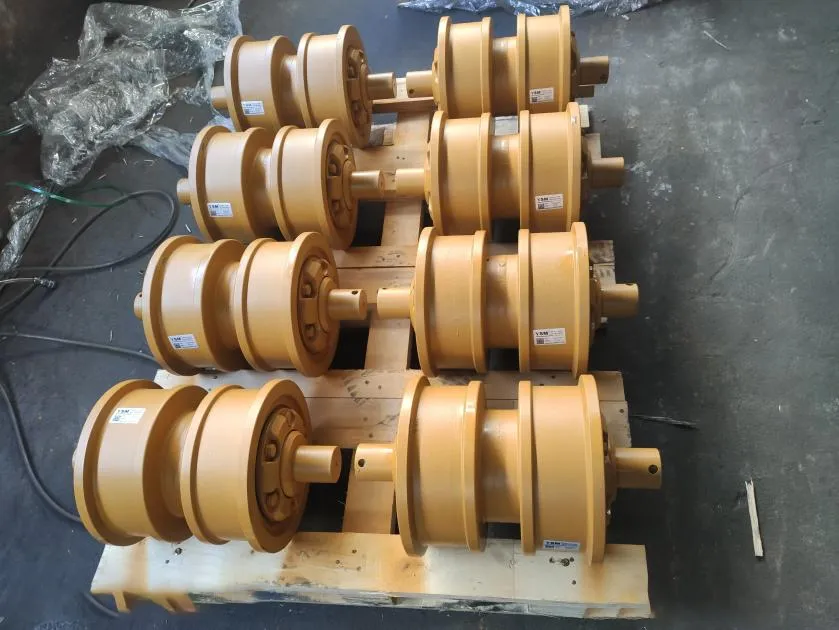
How Should The Supporting Wheels Be Selected To Avoid Stepping On Thunder?
High-quality support wheels mainly depend on the performance of its steel. The material of the roller body is generally 50Mn, 40Mn2, (MN: synonymous with the element of manganese).
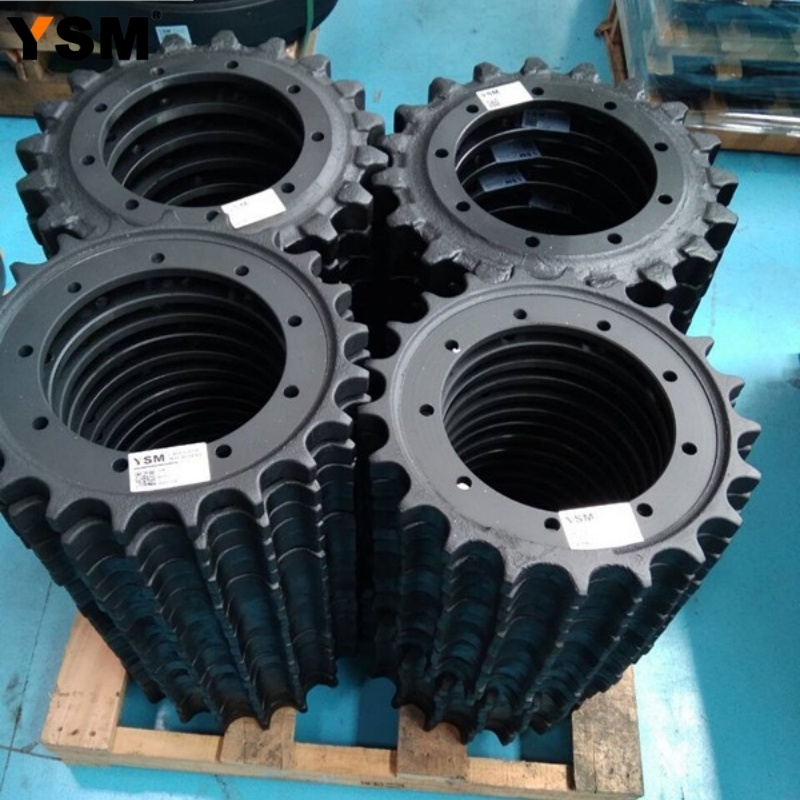
Carrier Wheels Are Suitable For Various Models At Home And Abroad
Sprocket wheels are mainly used in various crawler bulldozers, excavators, pavers, milling machines, rotary drilling rigs or other crawler machinery equipment at home and abroad.
Contact Us
E-mail :
sales@china-ysm.com
Phone/WhatsApp:
+86-18606961587
Address:
No.8 Binjiang Street, Binjiang Industrial Zone, Xiamei Town, Nan An City, Quanzhou City, Fujian Province, China
Request Quote
Andy Shi
No.8 Binjiang Street, Binjiang Industrial Zone, Xiamei Town, Nan An City, Quanzhou City, Fujian Province, China


Request Quote