
Bulldozer Undercarriage | Carrier Roller Maintenance
Bulldozer Carrier Roller Inspection and Fitment Guide
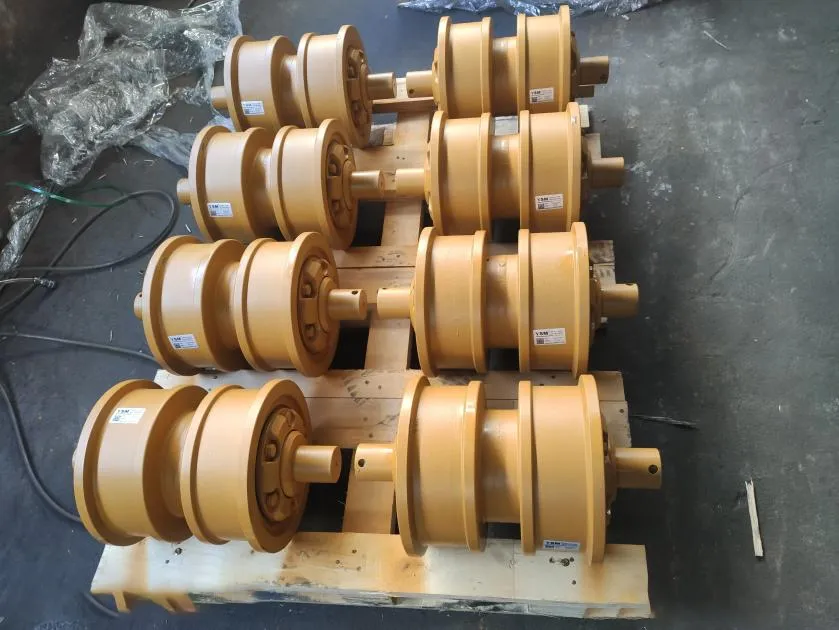
A bulldozer carrier roller supports the upper return run of the track chain. It is smaller and positioned differently from the lower track rollers, but it can still create accelerated chain wear if debris prevents rotation or if its alignment, mount or sealing area changes. An effective inspection follows the upper track path and checks the carrier roller as part of the whole undercarriage.
What Does a Bulldozer Carrier Roller Do?
The carrier roller supports and guides the upper run of the track chain as it returns from the front of the machine toward the sprocket. Its location above the lower roller line means that debris accumulating on the frame can obstruct it in a way that may not be obvious during a quick ground-level walk-around.
Caterpillar's current dozer undercarriage guidance specifically warns that material building up on the frame can clog a carrier roller and stop it spinning. If the roller cannot rotate, the track can travel across its surface rather than rolling, which may increase wear. This describes a failure mode, not a universal diagnosis for every upper-track mark or noise.
Prepare for a Safe Inspection
Start with a clean view. Remove loose material from accessible areas using suitable tools and a safe position. Do not direct high-pressure water into seals, force a tool between loaded track components or try to spin a roller by hand when the track is loaded.
Bulldozer Carrier Roller Inspection Checklist
| Inspection point | What to observe | Why it matters |
|---|---|---|
| Top of roller frame | Mud, packed clay, stones, wire, scrap and material wedged near the roller. | Debris can block rotation and change upper-track contact. |
| Roller shell and guide areas | Scoring, flat areas, cracks, chipped edges, abnormal polishing and uneven flange wear. | Surface damage can alter how the upper chain is supported and guided. |
| Seal and end areas | Fresh wetness, oily dirt, drips or a new residue trail. | Leak source and progression need assessment before internal damage is assumed. |
| Mounting bracket and fasteners | Loose or missing hardware, cracked bracket, shifted position, fresh metal contact. | Movement can alter carrier roller alignment and clearance. |
| Upper track return | Chain running unevenly, side contact, unusual sag, stiff joints or rubbing near a guard. | The roller must be considered with the chain, idler, sprocket and track adjustment. |
| Left-to-right comparison | Different wear, packing, oil traces or track position on matching carrier rollers. | Comparison can reveal one-sided operating or mechanical conditions. |
Inspect after operating only when the safe shutdown procedure allows it. Listen during slow travel from a safe operator position for new squeal, grinding or rhythmic contact. Noise may come from the chain, idler, sprocket, guards or debris as well as the carrier roller.
Wear, Noise and Leakage Are Inspection Signals
| Signal | Possible contributors | Next step |
|---|---|---|
| Upper track visibly slides across a roller | Blocked or seized roller, packed material, chain condition or abnormal track path. | Stop and inspect safely; do not continue in the hope that the roller will clear itself. |
| Fresh oil around the roller | Seal-area leakage, contamination carried from another component or residue after service. | Clean, identify the source and monitor; arrange service for active or progressing leakage. |
| One guide area wears faster | Side loading, angled travel, alignment, track tension, debris or mounting displacement. | Inspect both sides and the full upper return path before selecting a part. |
| Grinding or squealing | Restricted rotation, dry contact, chain joint, debris, idler or sprocket issue. | Stop in a safe location and diagnose the whole system. |
| Loose carrier-roller mount | Impact, damaged threads, wrong hardware, fatigue or prior service issue. | Do not operate with missing critical fasteners; follow model-specific repair and torque data. |
Do not touch a roller to judge heat. If the site uses a non-contact comparison tool, take readings at comparable points and consider sun, mud, paint and recent travel. A temperature difference alone does not identify an internal failure.
Why Debris on the Upper Frame Matters
Upper-frame packing is easy to overlook because it is above the lower track run. Wet clay can harden around the roller, while rock or wire can wedge between the carrier roller, frame and chain. Cleaning exposes the roller shell and allows normal clearance to be checked.
Frequent packing can be related to material type, operating route, weather, guard arrangement, track tension or cleaning practice. Do not remove a guard or alter clearances by guesswork. Use the exact machine guidance and inspect whether a damaged guard, misalignment or worn chain is contributing.
Check the Whole Under-Carriage System
A carrier roller is a system component. Inspect the lower track rollers, track chain and pins/bushings, shoes and bolts, front idler, sprocket segments, guards, roller frame and track adjustment. Komatsu recommends keeping the undercarriage clean, using correct adjustment and monitoring wear; Caterpillar recommends daily walk-arounds and checking the carrier roller for debris accumulation.
Record the carrier roller position, machine hours, working surface, photo evidence, leakage state and any unusual upper-track contact. A repeated pattern across several components is more useful for planning than replacing one visible part without measurement.
Carrier Roller Replacement and Fitment Details
Do not order a carrier roller from a general tonnage category or an angled photo. Confirm the bulldozer brand, complete model and suffix, serial number/PIN, carrier-roller position, part number, mounting interface, bolt pattern, bracket shape and critical dimensions. Some machines use different roller configurations by serial range or undercarriage option.
For a parts inquiry, send clear photos of the installed roller from both sides, the roller frame, the upper track return, part markings, mounting dimensions, quantity, destination country and working condition. Compatibility and availability must be confirmed before ordering.
Frequently Asked Questions
Is a carrier roller the same as a lower track roller?
No. A carrier roller supports the upper track return. Lower track rollers carry the machine load beneath the chain and can use different sizes, mounts and flange arrangements.
Can a blocked carrier roller damage the track chain?
It can create sliding contact and added wear, but the outcome depends on operating time, packing, chain condition, adjustment and alignment. Inspect the complete system.
Does an oil trace always mean the carrier roller has failed?
No. The source must be identified. Fresh or progressing lubricant leakage should be assessed promptly, but residue can also come from service or another nearby component.
What is needed to confirm a replacement carrier roller?
Send complete model and suffix, serial/PIN, part number, mounting position, clear photos, dimensions, quantity, destination and operating condition.
Technical References
- Caterpillar: Dozer Undercarriage Maintenance - carrier-roller debris, walk-around and track-system checks.
- Caterpillar: Top 3 Dozer Maintenance Tips - roller debris, track tension and daily inspection context.
- Komatsu: Undercarriage Maintenance Tips - cleaning, adjustment and measured wear context.
- LIS: Carrier Rollers for Excavators and Crawlers - carrier-roller inspection fields, leakage and fitment comparison context.
This article is a general educational guide. Roller service limits, lifting, fasteners, torque, track adjustment and replacement decisions must come from the exact bulldozer manual and qualified service procedure.
Ask Our Undercarriage Team About Bulldozer Carrier Rollers
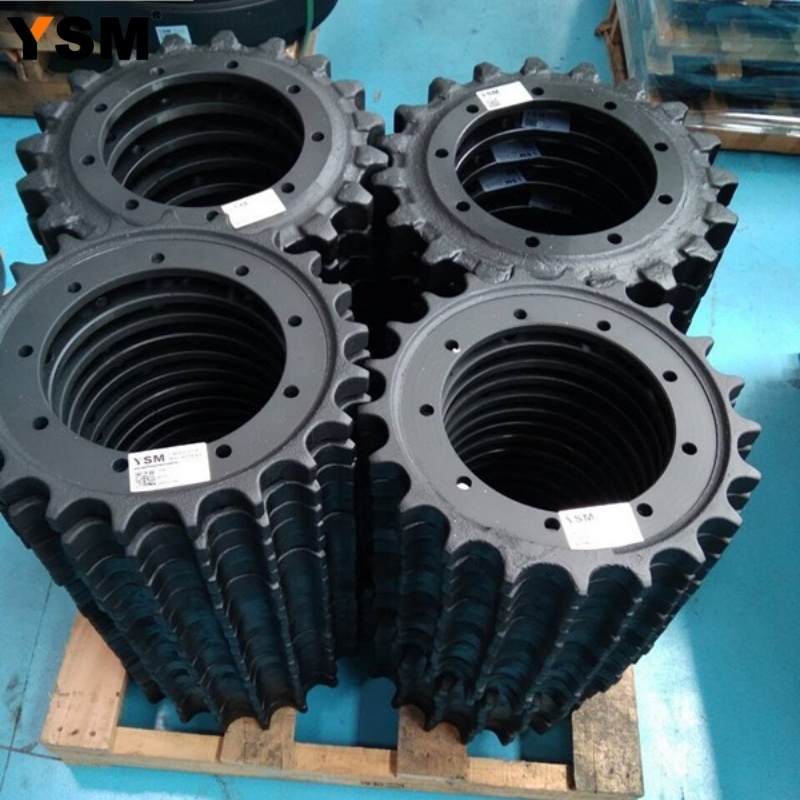
We can check suitable supply options for carrier rollers, track rollers, front idlers, sprocket segments, track chains, track shoes, track assemblies and related fasteners.
Corporate Email: sales@china-ysm.com
WhatsApp: +86-18606961587
For a fitment check, send the equipment brand, complete model and suffix, serial number/PIN, part name, part number, clear photos, requested dimensions, quantity, destination country and working condition. Compatibility and availability must be confirmed before ordering.