
Crawler Excavator Maintenance | Storage Checklist
Excavator Long-Term Storage and Recommissioning Checklist
A crawler excavator that will sit unused for weeks or months needs more than a parked position and a cover. Moisture, contamination, battery discharge, rod corrosion, rodent damage and packed undercarriage debris can create problems while the machine is idle. The safest plan has two stages: prepare the exact machine for storage, then inspect and recommission it before productive work resumes.
Plan Storage Around the Exact Machine
First define the expected storage period, indoor or outdoor location, climate, security risk and whether the machine will be moved. The operation and maintenance manual may have specific requirements for fuel treatment, batteries, cylinder position, track adjustment, periodic engine operation and preservation. These instructions take priority over a general online checklist.
Record the hour meter, current warning codes, scheduled services, fluid observations, battery condition, known leaks, pending repairs and photographs. A clear baseline prevents an old defect being mistaken for a new storage issue when the excavator returns to work.
Pre-Storage Cleaning and Inspection
Clean material from the upper structure, belly area, radiator pack, attachment and undercarriage. Caterpillar notes that dirt and debris left in the undercarriage can accelerate wear and add resistance. Cleaning is not cosmetic: it exposes cracks, damaged hardware and oil traces before a long idle period.
| Area | Pre-storage check | Why it matters |
|---|---|---|
| Undercarriage | Remove mud, stone and wire; inspect chain, shoes, rollers, idlers, sprockets, guards and adjustment. | Packed material can retain moisture, restrict movement and hide wear. |
| Cylinders and attachment | Inspect exposed rods, hoses, pins, coupler and bucket for scoring, corrosion, leaks and damage. | Storage can worsen existing seal or corrosion problems. |
| Cooling package | Inspect fins, hoses, clamps and visible leakage; clean only by the approved method. | Blocked airflow or damaged hoses may appear only after restart under load. |
| Cab and electrical areas | Check water entry, damaged seals, loose connectors, corrosion, pest evidence and warning displays. | Moisture and animals can damage wiring or controls during idle time. |
| Structure and access | Check handrails, steps, lights, mirrors, guards and visible structural damage. | The machine must be safe to access and inspect before recommissioning. |
Fluid, Battery and Cylinder Protection
Fluids and filters
Complete maintenance that is due before storage rather than allowing an overdue filter or contaminated fluid to sit. Check engine oil, coolant, hydraulic oil, fuel condition, water separator and final-drive oil using the machine-specific method. Do not change fluids or add additives solely from a generic article; fluid specification, fill level and preservation requirements differ by model and climate.
Battery and electrical system
Follow the manufacturer procedure for isolating, maintaining or removing the battery. Clean and inspect terminals, retainers and cables first. Do not leave a damaged, swollen or leaking battery connected. When the machine returns to work, inspect for low voltage, corroded connections, damaged harnesses and unexpected monitor messages before repeated start attempts.
Hydraulic cylinders and exposed metal
The correct cylinder position and any corrosion protection are model-specific. Inspect rod surfaces for pitting or scoring before storage and again before operation. A cover can reduce dust and sun exposure, but it must not trap moisture or create a fire or access hazard. Follow the manual for approved storage covers and ventilation.
Excavator Track and Undercarriage Storage Checks
Examine both track frames from front idler to rear sprocket. Look for oil around rollers or final drives, stiff-looking chain joints, broken or loose shoe hardware, cracked guards, damaged sprocket teeth and debris inside the link assembly. Do not set track sag from memory: Caterpillar and Komatsu both direct owners to model-specific track adjustment procedures.
Choose a stable, well-drained parking surface. Avoid prolonged contact with corrosive standing water or unstable ground. If the manual specifies moving the machine or relieving track-related loads during storage, follow that procedure exactly. Never loosen a grease adjuster without the approved equipment and trained personnel.
Checks While the Excavator Is Parked
Set a documented inspection schedule based on the manual, storage duration and site conditions. Walk around the machine for cover damage, water pooling, fluid spots, battery or pest evidence, damaged hoses, corrosion and unauthorized access. Do not start or operate the machine just to satisfy a generic calendar instruction; the OEM procedure controls whether periodic operation is required and how it should be performed.
Keep the storage record with photos and dates. If a new leak, water ingress, electrical damage or severe corrosion is found, repair or obtain qualified advice before the machine is returned to service.
Recommissioning Before the Excavator Returns to Work
- Remove covers and inspect the full machine before reconnecting or starting anything.
- Check fluids, filters, battery condition, water separator and visible leaks according to the manual.
- Inspect cylinders, hoses, electrical wiring, cooling pack, access equipment and attachments.
- Clean and inspect the undercarriage, then confirm track adjustment using the exact model procedure.
- Start only if inspection permits. Monitor gauges, warnings, noise and leakage while stationary first.
- Test travel, swing, hydraulics and attachment functions at low speed in a clear area, then re-inspect.
Records and Parts Preparation
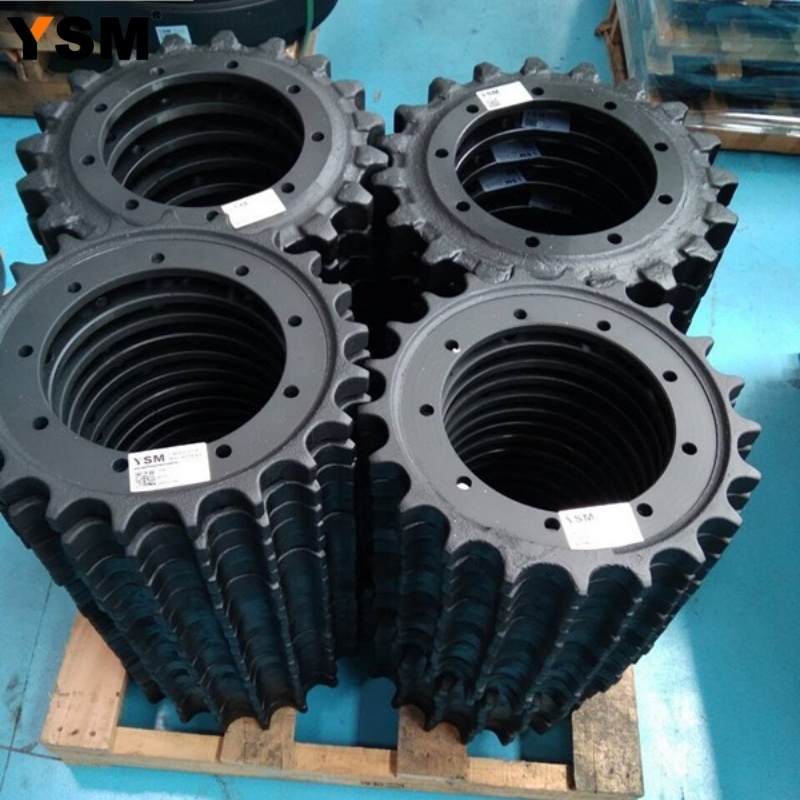
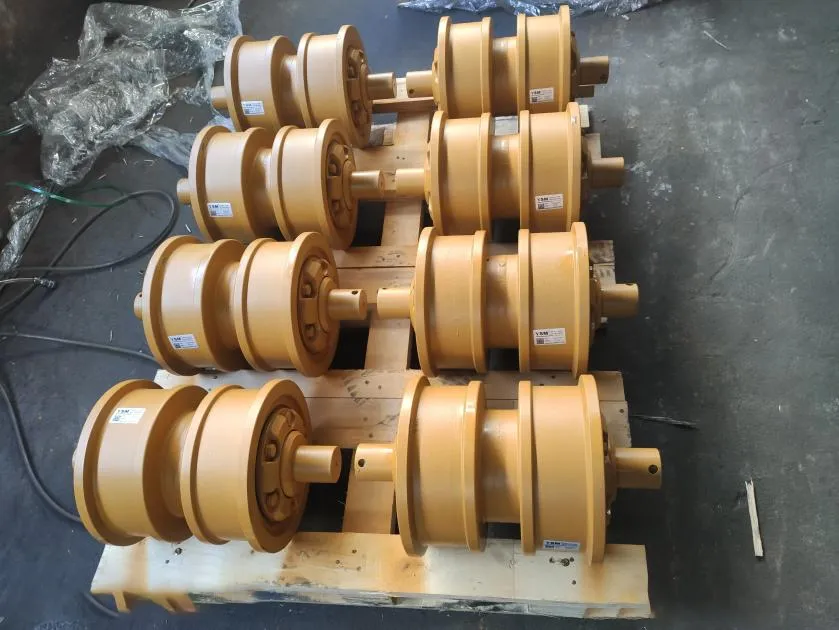
Storage is a useful opportunity to plan needed undercarriage work. Assess rollers, carrier rollers, front idlers, sprockets, track chains, shoes, guards and fasteners as a system. For an accurate parts check, prepare the brand, complete model and suffix, serial number/PIN, part name, part number, clear photos, critical dimensions, quantity, destination country and working condition. Compatibility and availability must be confirmed before ordering.
Frequently Asked Questions
How long is long-term storage for an excavator?
The definition and procedure depend on the OEM and model. If the machine will be idle longer than normal site parking, consult its operation and maintenance manual before storage.
Should an excavator be started periodically during storage?
Only if the manufacturer specifies it, using the required procedure. Unplanned idling may not bring systems to correct operating condition and can create safety or maintenance issues.
Can I leave mud on the tracks while the machine is parked?
No. Remove packed material so that moisture, leaks, chain condition and damaged components can be inspected. Use safe, approved cleaning practices.
What details are needed to order undercarriage parts after storage?
Send the complete model and suffix, serial/PIN, part number, clear photos, dimensions, quantity, destination and operating condition. Similar excavators may have different parts across serial ranges.
Technical References
- Caterpillar: Your Six-Step Excavator Maintenance Checklist - undercarriage, tracks, filters, water separator, cooling and attachment inspection.
- Caterpillar: Excavator Undercarriage Maintenance - pins, hardware, sprockets and manual-based track adjustment.
- Komatsu: Undercarriage Maintenance Tips - cleaning, adjustment and operating-condition context.
This is a general storage framework. The exact storage period, fluids, battery procedure, cylinder position, covers, periodic operation and recommissioning steps must come from the exact machine manual.
Ask Our Team About Undercarriage Parts Found During Storage Checks
We can check suitable supply options for track rollers, carrier rollers, front idlers, sprockets, track chains, track shoes, track assemblies, guiding guards and related track fasteners.
Corporate Email: sales@china-ysm.com
WhatsApp: +86-18606961587
For a fitment check, send the equipment brand, complete model and suffix, serial number/PIN, part name, part number, clear photos, requested dimensions, quantity, destination country and working condition. Compatibility and availability must be confirmed before ordering.