
Inspection guide | Dozer structural undercarriage
Dozer Track Roller Frame Inspection: Cracks, Leaks and Wear Clues
The track roller frame supports and locates important undercarriage components while working close to impact, abrasive debris and heavy side loads. A crack, damaged guard mount, restricted idler movement or changing contact pattern can affect more than the frame itself. Careful cleaning and comparison help separate a structural warning from normal welds, surface marks and leaks that originate nearby.
What a Dozer Track Roller Frame Does
The track roller frame forms the structural base for lower rollers and the front-idler guidance arrangement. Depending on the dozer design, it also interfaces with guards, pivot or suspension components and other frame supports. It helps maintain the positions that allow the chain to travel over the rollers, around the idler and into the sprocket.
Designs vary between high-drive and conventional-drive dozers, standard and low-ground-pressure configurations, rigid and suspended undercarriages, and model generations. Inspection points and repair methods therefore cannot be transferred automatically from one machine to another.
The frame is not a normal wear item like a bushing or grouser, but it works inside the same system. Roller-flange contact, idler guidance, chain alignment, track tension, shoe width, packing and operating direction can all create evidence on or around the frame.
Prepare the Machine and Inspection Record
- Choose a controlled location. Park on clean, firm and level ground with attachments lowered and the machine secured according to site rules.
- Record the machine. Note the complete model, serial number or PIN, operating hours, undercarriage configuration, shoe width and current job conditions.
- Photograph before cleaning. Capture debris packing, wet areas, displaced guards and fresh impact marks before their source pattern is disturbed.
- Clean with an approved method. Remove soil, rock, wire and compacted material without directing high-pressure water at sensitive seals or putting hands into pinch points.
- Use consistent views. Take matching left- and right-side photographs from the front, middle, rear and underside only where access is safe.
- Mark observations non-destructively. Number suspected areas on a sketch or photograph instead of immediately grinding paint or metal away.
Good documentation allows a technician to compare a line over time, relate it to a roller or guard position and determine whether one side is changing faster. Include the date, machine hours and whether the machine had just been working or had been cleaned and parked.
High-Value Track Roller Frame Inspection Locations
Roller mounting areas
Inspect around roller brackets, mounting bosses, fasteners and transitions in section thickness. Look for loose or missing hardware, fretting, elongated holes, fresh metal, distortion and cracks extending from corners or weld toes. A leaking roller can coat the nearby frame and hide a fine line.
Front-idler guides and yoke path
Check guidance surfaces for ridges, impact, uneven polishing, packed material and restricted movement. An idler that cannot move correctly may change tension behavior. Do not open or disturb the recoil system during an external inspection because it can store dangerous energy.
Guard and rock-protection mounts
Bent guards and loose mounts can contact links or trap hard material. Inspect the mounting area for cracked welds, stretched holes and shiny contact marks. A guard that protects the frame can become a source of contact when distorted.
Pivot, equalizer and support interfaces
Exact arrangements differ, but these load-transfer areas deserve a clean visual check for leakage, looseness, damaged retainers, cracking and abnormal movement evidence. Caterpillar maintenance guidance specifically includes track roller frame and equalizer-bar areas in daily cleaning and inspection.
Rear frame and drive-area interfaces
Inspect structural transitions, fasteners, guards and any fresh rubbing or oil path near the drive end. Oil in this area may originate above or behind the frame, so trace it after cleaning instead of assuming the structure contains the leak.
Lower surfaces and drain paths
Where safe access permits, inspect for impact dents, corrosion, trapped material and blocked openings. Never crawl beneath a dozer supported only by hydraulics or attachments. Use the approved lifting and support procedure when an underside inspection is required.
Is the Line a Crack, Weld Boundary or Surface Mark?
Paint edges, casting marks, weld toes, scratches, dried mud and rust trails can resemble cracks. Conversely, a real crack may remain hidden beneath paint and contamination. Initial inspection should preserve evidence and avoid uncontrolled material removal.
| Observed clue | What it may indicate | Responsible next step |
|---|---|---|
| Fine line beginning at a weld toe or sharp corner | Possible fatigue crack or only a coating boundary | Clean using an approved method, photograph, compare and request qualified examination |
| Rust-colored line returning after cleaning | Possible moisture movement from an opening | Mark the ends, monitor only if authorized and arrange crack confirmation |
| Line opens or closes when load changes | Possible active structural movement | Stop operation and obtain qualified structural assessment |
| Raised bead with uniform shape | Factory weld or previous repair | Compare with drawings, the opposite side and repair history |
| Random shallow bright line | Scrape, stone contact or tool mark | Check depth, direction and surrounding deformation |
| Branching line with displaced metal | Possible crack with impact or overload damage | Stop and protect the area from further loading |
Dye-penetrant, magnetic-particle or other nondestructive examination may be appropriate depending on the material, coating and suspected defect. These methods require trained personnel, surface preparation and an approved acceptance standard. A photograph cannot establish crack depth or repairability.
Trace Leaks Before Blaming the Track Roller Frame
The frame itself is a structure, but oil or grease can travel across it from adjacent components. A wet area should be treated as a source-tracing problem.
- Track roller or carrier roller: oil may spread from a seal area and collect on the frame or packed dirt.
- Front idler: leakage may appear near the yoke or front of the frame.
- Track adjuster: grease can follow the frame after adjustment or a component problem; stored-pressure service needs qualified support.
- Pivot or equalizer area: lubricant or oil may migrate from nearby joints or seals depending on design.
- Final drive: oil may run downward and forward, especially when dirt masks the highest wet point.
- Previous service residue: spilled grease or oil can attract dust without an active leak.
Clean the suspected path, record fluid color and location, then observe where fresh wetness first appears under controlled conditions. Do not add fluids, tighten plugs or dismantle components until the correct source and service procedure are known.
Alignment and Abnormal-Contact Clues on the Frame
The track roller frame can preserve evidence of how the chain is being guided. Look for repeated polished bands, gouges, metal transfer and paint removal. Map the same pattern across the front idler, roller flanges, guards and sprocket area.
One-sided roller-flange contact
Consistent contact on the same side of several rollers may be associated with slope work, turning habits, idler guidance, link wear or geometry. It does not prove that the frame is bent. Compare both sides and record the work cycle.
Chain or shoe contact with a guard
Fresh contact can follow a bent guard, loose mount, packed rock, excessive movement or a derailment event. Check the guard and mounting structure before replacing only the rubbed chain component.
Unequal idler position
Left-to-right position differences can reflect chain wear, tension, packing or adjuster condition. Use the model-specific measurement procedure rather than judging from photographs alone.
Localized roller loading
One roller showing a very different wear or temperature pattern can change load distribution. Inspect its rotation, seal condition, mount and neighboring components. A seized or damaged roller may create secondary marks on the link rails and frame area.
Conditions That Can Contribute to Frame Damage
A crack or distortion usually requires a cause investigation, not only a repair. Possible contributors include:
- direct impact from rock, demolition material or hidden obstacles;
- hard material packed between moving components and guards;
- repeated side loading from slope work or sharp turns;
- track tension outside the machine-specific requirement;
- damaged, loose or incorrectly installed roller and guard hardware;
- worn pivot, equalizer, idler-guidance or suspension components;
- a previous derailment or track separation event;
- corrosion, section loss or contamination trapped behind guards;
- an earlier repair that did not follow the approved preparation and welding procedure;
- machine modification or application loads outside the intended configuration.
These are inspection paths, not automatic diagnoses. A visible crack does not by itself prove operator error, material defect or overload. Maintenance history, geometry, work conditions and qualified examination are needed.
Repair Planning and Stop-Work Decisions
A track roller frame is a load-carrying structure. Welding heat, joint preparation, filler material, sequence, preheat, post-weld treatment and inspection can matter. An uncontrolled field weld may hide the crack, change local properties or create a new stress concentration.
Before repair, record the complete machine identity, crack or damage location, length, direction, photographs, inspection method, previous repairs and related undercarriage wear. Obtain the manufacturer procedure or a qualified engineering repair plan for that exact frame.
Connected components should be inspected before the machine returns to work. Check roller mounts, rollers, idler guidance, guards, chain, shoes, sprocket, tension system, equalizer or pivot interfaces and relevant fasteners. Correct the contributing condition where it can be identified.
After an approved repair, follow the specified inspection and recheck plan. A repaired area should not be declared permanent or stronger than original without engineering evidence.
Related Dozer Undercarriage Parts Fitment Checklist
A frame inspection often reveals wear in replaceable components. Before requesting rollers, idlers, chains, shoes, sprockets, guards or hardware, provide:
- equipment brand, complete model, series and model suffix;
- serial number or PIN and a clear identification-plate photograph;
- standard, LGP or other installed undercarriage configuration;
- part name, required quantity and readable part number or casting marks;
- overall, side, mounting, leak-path and damaged-area photographs;
- requested dimensions and clearly identified measuring points;
- shoe width, grouser style, chain details and master connection where relevant;
- left or right position if the component is side-specific;
- destination country and typical soil, rock, impact, slope and travel conditions.
Do not assume that standard and low-ground-pressure frames or related parts are interchangeable. Structural frame repair and replaceable undercarriage parts are separate decisions. Compatibility and availability must be confirmed before ordering.
Frequently Asked Questions
Can a dozer keep working with a small track roller frame crack?
Size alone does not establish risk. Location, depth, direction, load path and movement matter. Stop and obtain qualified assessment when a crack is suspected in a load-carrying area.
Can a frame crack be welded without removing the track?
Only an approved model-specific repair plan can define access, disassembly, support, preparation and welding. Do not choose a repair method from convenience alone.
Why is oil visible on the track roller frame?
It may travel from a roller, idler, adjuster, pivot area, final drive or earlier service residue. Clean and trace the highest fresh wet point before diagnosis.
Does roller-flange polishing mean the frame is bent?
Not by itself. Side loading, turning, slope work, chain wear, idler guidance and alignment can produce similar evidence. Compare the complete system.
Should packed mud be removed before inspection?
Yes, but photograph it first because the packing pattern is useful evidence. Then clean safely without damaging seals or entering pinch points.
Technical References
- Caterpillar: D4 Undercarriage Maintenance - current cleaning and inspection guidance for the track roller frame, equalizer-bar area, idlers and rollers.
- Caterpillar: How to Check Dozer Track Tension - frame inspection, cleaning, joint clues and model-manual limitations.
- Caterpillar: Dozer Undercarriage Maintenance - hardware, links, bushings, sprockets, idlers, rollers and debris checks.
- Caterpillar: Undercarriage for Dozers - system-level inspection and application context.
This independent educational guide is not affiliated with or endorsed by Caterpillar. Cat and Caterpillar are trademarks of their respective owner. Always follow the operation and maintenance manual, service instructions, structural-repair procedure and site safety rules for the exact machine.
Ask About Dozer Undercarriage Parts Identified During Frame Inspection
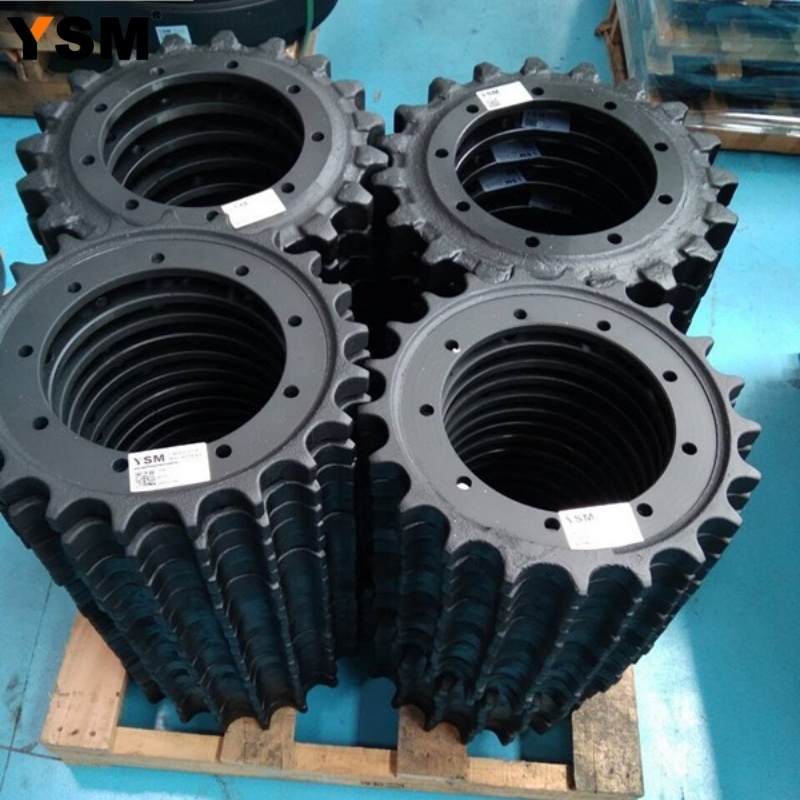
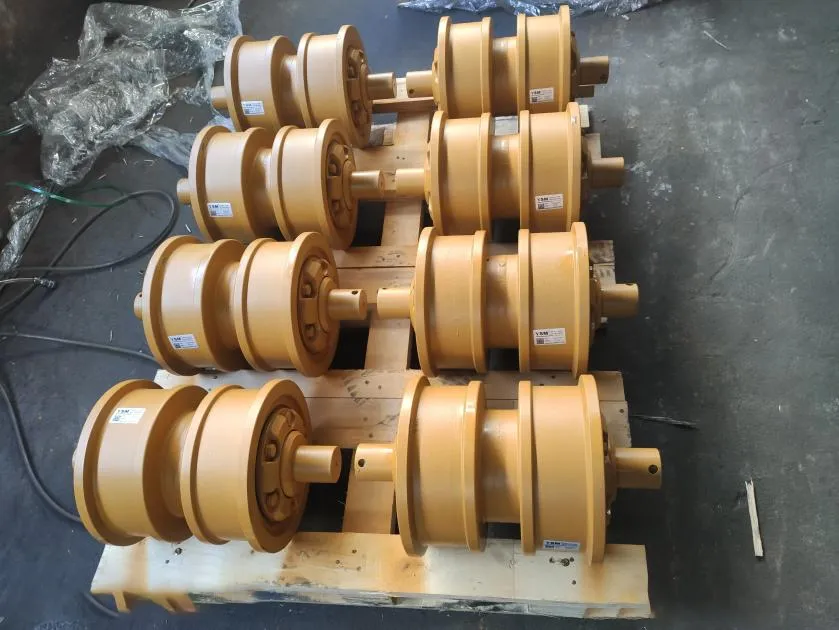
After qualified frame assessment, we can check suitable supply options for related track rollers, carrier rollers, front idlers, sprockets or segments, track chains, track shoes, track assemblies, bolts and nuts. Structural frame repair itself must follow the machine-specific engineering procedure.
Corporate Email: sales@china-ysm.com
WhatsApp: +86-18606961587
For a fitment check, send the equipment brand, complete model and suffix, serial number or PIN, part name, part number, clear photos, requested dimensions, quantity, destination country and working conditions. Compatibility and availability must be confirmed before ordering.