
Complete-machine maintenance | Updated August 7, 2026
Excavator Hot-Weather Maintenance Checklist: Cooling, Hydraulics and Undercarriage
High ambient temperature reduces the margin available to an excavator's cooling system, while dry dust can restrict airflow, contaminate inspection surfaces and accelerate undercarriage abrasion. A useful hot-weather plan is not a single coolant check: it combines a safe pre-shift walk-around, clean heat exchangers, correct fluids and filters, hydraulic monitoring, undercarriage care and a clear response to warning indicators.
Quick answer
Before every shift in hot, dusty work, inspect the cooling-air path, radiator and oil cooler, coolant level when the system is safe to check, hoses, engine and hydraulic fluid levels, filters and restriction indicators, leaks, fan area, batteries, undercarriage and work equipment. During operation, watch the machine's own gauges and alarms rather than relying on a universal temperature limit. If a warning appears, reduce risk, lower the attachment and follow the exact model's manual. Never open a pressurized hot cooling system.
Why hot weather changes the maintenance priority
An excavator creates heat through the engine, hydraulic system, travel drives and working cycles. The radiator, hydraulic oil cooler, charge-air cooler and condenser must transfer that heat to surrounding air. When ambient air is already hot, the temperature difference available for heat transfer is smaller. Dust, seeds, lint or oily debris on a cooling core can reduce airflow further.
Hot weather also often arrives with dry, abrasive ground. Dust can load air filters and cooling screens; fine material can pack around the undercarriage; sun exposure can make a small leak harder to distinguish from general grime. None of these symptoms proves a failed component by itself, but together they justify closer inspection and shorter condition-check intervals when the machine manual or site plan calls for severe-service care.
Hot-machine safety comes first
Park on stable, level ground, lower the bucket or attachment, apply the parking brake, stop the engine and follow the manufacturer's isolation procedure before close inspection. Keep clear of fans, belts and automatic reversing-fan systems. A fan may move or start unexpectedly if energy is not isolated.
Hydraulic oil, hoses, pumps and metal surfaces may also remain hot after shutdown. Do not search for a hydraulic leak with bare hands; high-pressure fluid can penetrate skin. Use a safe inspection method and qualified service support.
Hot-weather pre-shift walk-around
- Look beneath the machine. Identify fresh coolant, engine oil, fuel, hydraulic oil or final-drive leakage before dust covers the path.
- Open service doors only after safe parking. Check cooling screens, cores and the surrounding compartment for packed dust, leaves, plastic or oily material.
- Check fluid levels as specified. Observe cold or warm level conditions exactly as the manual states; do not mix incompatible coolants or oils.
- Inspect hoses and clamps. Look for wet joints, abrasion, swelling, cracking, loose routing and contact with hot or moving parts.
- Review filter indicators and alerts. Do not reset or ignore a restriction warning without finding the cause.
- Inspect the undercarriage. Remove accessible debris and check rollers, idler, sprocket, chain, shoes, fasteners and final-drive areas.
- Inspect work equipment. Check boom, arm, bucket, coupler, pins, bushings, cylinder rods and hoses for damage or inadequate lubrication.
- Start and monitor. After the normal start procedure, confirm that gauges, warning lamps, fan behavior and machine sound are normal before applying heavy load.
Cooling system: protect airflow before blaming a component
Inspect the complete air path
Start at the external grille or screen and follow the air path through the condenser, oil cooler, charge-air cooler and radiator arrangement used by the exact machine. Some excavators place heat exchangers side by side; others stack them. Debris may be visible on the first core while hidden between stacked cores.
Look for blocked fins, oily dust mats, bent fins, damaged seals around the cooling pack and missing panels that allow hot discharge air to recirculate. A clean-looking outer grille does not prove that every core is clear. If access requires moving a cooler or guard, use the service procedure rather than forcing it open.
Clean with the approved direction and pressure
Caterpillar's general excavator checklist recommends low-pressure water or air for the oil cooler, condenser and radiator. The exact direction, pressure, nozzle distance and use of detergents depend on the model. Clean from the side that pushes contamination back out of the core when the manual specifies it, and hold the nozzle square enough to avoid folding fins.
High-pressure washing at close range can bend fins, force dirt deeper or damage electrical components. Dry dust may respond to air, while oily deposits require the approved cleaning method and leak repair. Wear eye and respiratory protection suitable for the material being removed.
Check the fan system without entering the danger area
Inspect accessible fan guards, shrouds, belts or hydraulic fan-drive components as applicable. Cracks, loose hardware, damaged shrouds, belt contamination or abnormal fan noise require attention. Do not reach through a guard or assume an electronically controlled fan cannot start.
Coolant level, condition and leakage
Check the recovery tank, sight gauge or specified fill point only under the temperature condition stated in the manual. A low level is a symptom, not a routine invitation to keep topping up. Inspect hose connections, radiator seams, water-pump area, heater lines and the ground beneath the machine for evidence of loss.
Use the coolant type and mixture specified for the machine. Color alone does not prove chemistry or compatibility. Mixing different coolant technologies can reduce protection or create deposits. If the correct product is unknown, identify the existing coolant and service requirement before adding anything.
A hose may look dry when cold but seep under temperature and pressure. Record the location of residue, clean it safely and recheck. Repeated loss, bubbling in the recovery tank, damaged caps, oil contamination or a temperature alarm requires diagnosis, not a generic sealant or improvised repair.
Air intake, filters and fuel-water checks
Dust loading increases intake restriction. Inspect the pre-cleaner, intake openings, ducts, clamps and restriction indicator. Replace or service the air-filter element at the condition or interval specified by the manufacturer. Repeatedly blowing a filter with uncontrolled compressed air can damage the media and push contamination to the clean side; use only an approved procedure.
Engine oil, fuel and hydraulic filters protect different systems and are not interchangeable service decisions. Check dashboard or service indicators and follow the interval for the exact oil, fuel quality and operating severity. A clogged-filter assumption should not replace pressure or restriction testing when the manual requires it.
Temperature changes and overnight condensation can leave water in the fuel-water separator. Drain it only using the specified safe method and collect waste properly. If water repeatedly returns, investigate fuel storage, delivery and tank contamination.
Hydraulic system checks in high ambient temperature
The hydraulic system produces heat as oil moves through pumps, valves, motors, cylinders and restrictions. Check the oil level in the machine position and temperature condition specified by the manual. Too little oil, an incorrect viscosity grade, contamination, cooler restriction or excessive internal leakage can contribute to poor performance, but a warm tank alone does not identify the cause.
Inspect hoses, tubes, clamps, cylinder seals, pump area, swing motor and travel-drive connections for wetness, abrasion, bubbling, cracking or heat damage. Clean suspected areas before deciding whether residue is an active leak. Never tighten a pressurized connection.
If hydraulic functions become slow after warming, the machine loses power, oil smells burnt or a temperature warning appears, record the operating cycle and gauge indications. A technician may need pressure, flow, temperature and case-drain tests. Replacing a pump or seal kit based only on one hot-day symptom risks missing cooling, fluid or control problems.
Engine oil, belts and compartment condition
Check engine oil on level ground using the specified shutdown and wait time. Overfilling can be as problematic as a low level. Note any sudden change, fuel dilution smell, coolant contamination appearance or repeated consumption and arrange diagnosis.
Inspect accessible belts, tensioners and pulleys where fitted. Look for cracking, glazing, frayed edges, contamination and misalignment, but do not apply a generic deflection value. Belt type and tensioning method vary.
Keep the engine compartment free of oily debris and combustible material. Heat shields, insulation and seals around service panels must remain in place. A missing panel can alter designed airflow rather than improve cooling.
Undercarriage care in hot, dry and dusty ground
Heat is only part of the jobsite condition. Dry fines and abrasive soil enter the lower track run and may hide leaks or loose hardware. At the end of a shift, clean accessible buildup from the track frame, rollers, idler and sprocket area using a safe method. Inspect both sides for different wear patterns.
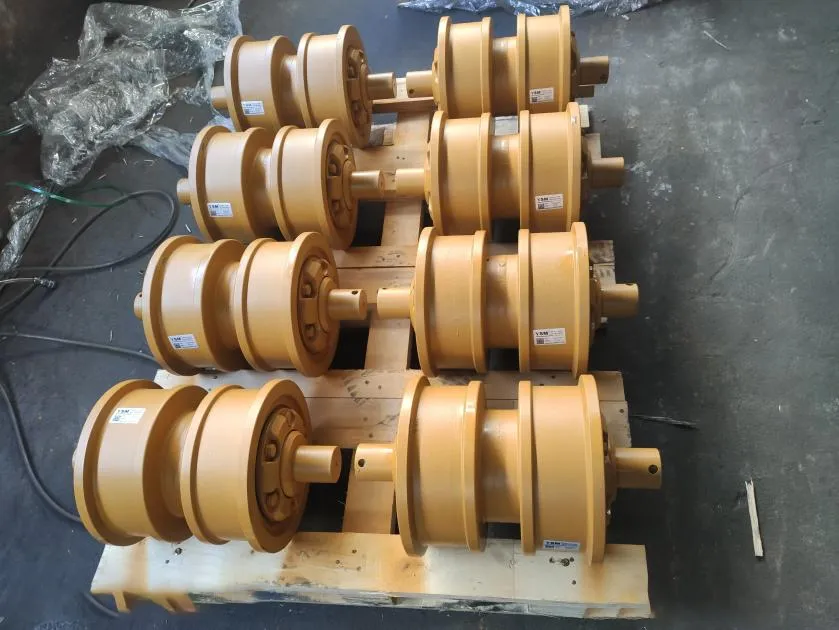
- Track rollers and carrier rollers: check for active oil leakage, stiff or seized movement, abnormal tread paths and one-sided flange contact.
- Track chain: inspect links, pins, bushings and joints for cracks, dry-joint signs, unusual polish and pitch-related engagement changes.
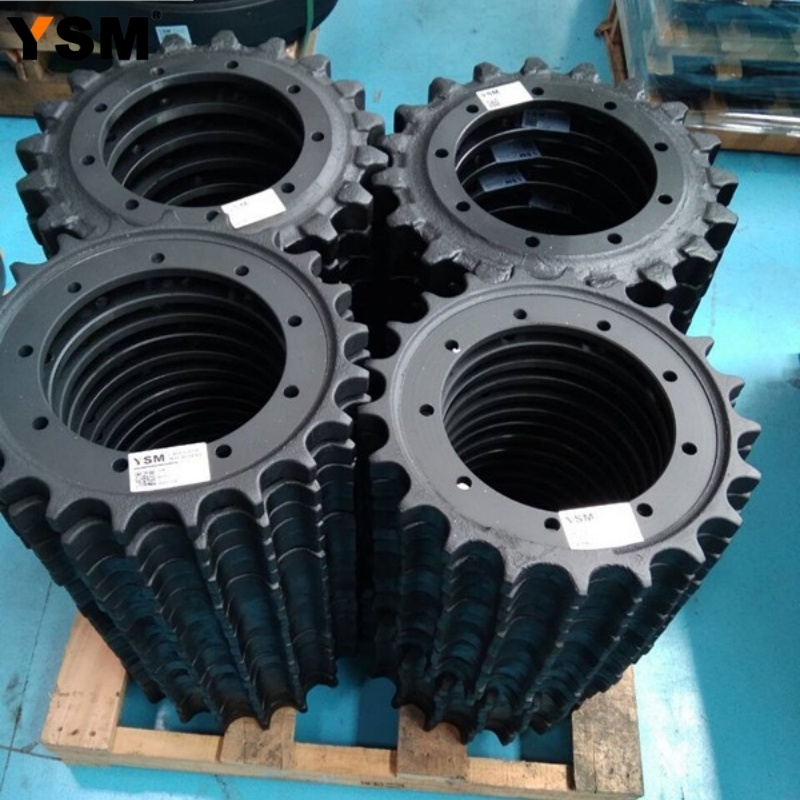
- Sprocket and idler: look for uneven profiles, impact damage, abnormal alignment and packed material.
- Track shoes and fasteners: inspect loose or missing bolts, cracked plates and uneven grouser wear.
- Final drives: inspect around plugs, covers and seals for leakage and follow the specified oil-level service procedure.
Track tension changes with design, packing and operating condition. Measure only in the specified machine position and use the exact manual value; there is no universal sag dimension. Do not adjust a hot or packed undercarriage simply because it looks different from another machine.
Boom, arm, bucket and lubrication points
Dust can combine with grease to form an abrasive paste, while heat can make old residue spread and collect more contamination. Clean fittings before lubrication and use the specified grease, amount and interval. More grease is not automatically better; blocked relief paths or damaged seals require inspection.
Check pin and bushing areas for unusual movement, dry squeal, heat, displaced retainers and metal particles. Inspect cylinder rods for scoring and seals for leakage. Bucket teeth, adapters, cutting edges and coupler locks should be checked before the machine returns to production.
Electrical system, batteries and operator environment
Inspect battery hold-downs, cables, terminals and compartment ventilation. Corrosion, loose connections or damaged insulation can increase resistance and heat. Battery service presents chemical and electrical hazards; follow the correct isolation and personal-protection procedure.
Confirm that temperature gauges, warning lamps, alarms and monitoring displays operate during the normal startup check. A disconnected sensor does not make a machine safe to run. Keep cab filters and condenser surfaces serviced according to the manual so the operator can work alertly in heat.
Operator hydration, breaks and heat-stress controls belong in the site safety plan. Machine maintenance cannot compensate for an unsafe work schedule or an impaired operator.
Operating habits that reduce avoidable heat load
- Use the correct work mode and avoid repeatedly stalling hydraulic functions against relief.
- Match bucket load and digging technique to the material rather than forcing the machine beyond available power.
- Minimize unnecessary high-speed travel and track spinning.
- Keep service doors and cooling-air paths in their designed operating position.
- Watch trends in coolant and hydraulic indications during the same work cycle.
- Respond to warning indicators promptly instead of clearing an alarm and continuing unchanged.
- Plan heavy work and breaks around site heat controls where practical, without inventing a universal shutdown time.
Extended idling, automatic-idle use and cooldown procedures vary by engine and event. Follow the model's manual rather than applying a fixed number of minutes from a general article.
What to do when an overheating warning appears
- Stop loading the machine and move only as needed to reach a safe location.
- Lower the attachment and follow the exact warning-response procedure shown in the operator manual and display.
- Do not open a hot pressure cap, touch a fan or spray cold water onto hot engine components.
- After the system is safely isolated and cooled, inspect visible coolant loss, blocked airflow, damaged hoses and other accessible causes.
- Record ambient condition, work cycle, gauge behavior, alarms, fluid loss and recent maintenance.
- If the cause is not clear or the warning repeats, keep the machine out of service for qualified diagnosis.
Continuing to work through an alarm can convert a cleaning or leakage problem into more extensive damage. Conversely, replacing the thermostat, pump, radiator or hydraulic component without testing may not solve the actual restriction or load condition.
Symptom patterns and the next safe check
| Observation | Possible contributors | Next safe step |
|---|---|---|
| Temperature rises mainly under heavy digging | High load, reduced airflow, coolant issue, fan performance or hydraulic heat generation. | Record the cycle and gauges; inspect cooling path and fluid condition after safe shutdown. |
| Temperature stays high after the load is reduced | Blocked cores, fan/control issue, low coolant, circulation fault or sensor problem. | Follow alarm procedure and arrange testing; do not open the hot system. |
| Hydraulics slow only when warm | Oil condition/viscosity, cooler restriction, internal leakage, control or pump condition. | Check level, leaks and cooler cleanliness; obtain pressure/flow/temperature diagnosis. |
| Dust repeatedly coats one cooler area | Airflow path, damaged seals, oil mist, recirculation or site contamination. | Find the contamination source instead of only cleaning the same surface. |
| One undercarriage side feels or smells hotter | Seized roller, brake/travel issue, track tension, packing or unequal operating load. | Stop, isolate and compare components without touching hot surfaces. |
| Coolant level repeatedly falls | External leak, cap/seal issue, internal loss or incorrect service condition. | Clean, document and pressure-test using the approved procedure. |
Each pattern has several possible causes. Use it to choose the next inspection, not to declare a failed part.
Build a hot-weather maintenance record
Record date, machine hours, ambient condition, job type, coolant and hydraulic indications, restriction alerts, fluids added, cleaning performed and any leaks or abnormal sounds. Photographs before and after cooling-core cleaning help distinguish repeated contamination from an isolated event.
Compare machines only when model, configuration, load and measurement conditions are similar. A gradual change in gauge behavior during the same cycle is often more useful than a one-time comparison between different excavators.
Use the record to plan parts and service before a severe condition stops production. For replacement components, retain the old part number, machine plate, clear photos and measurement data.
Fitment information for heat- and dust-exposed parts
When an inspection identifies an undercarriage part that needs replacement, send the machine brand, complete model and suffix, serial number/PIN, part name, part number, clear photographs, requested dimensions, quantity and destination country. Also describe the work material, abnormal heat or leakage and whether adjacent parts were recently changed.
Do not assume that all rollers, chains, sprockets or idlers used under the same model name are identical. Serial breaks, track gauge, shoe option and undercarriage configuration matter. Availability of supplementary items such as filters or seals should be checked separately and should not be assumed to be factory-produced by the same supplier.
Frequently asked questions
Should an excavator use a different coolant in summer?
Use the coolant specification and mixture stated for the exact machine. Do not change chemistry or dilute coolant simply because the weather is hot.
Can I pressure-wash an excavator radiator?
Only use the cleaning method, pressure, direction and access procedure permitted by the manufacturer. Close high-pressure washing can bend fins or damage components.
Why does the machine overheat only in the afternoon?
Higher ambient temperature may reduce cooling margin, but airflow restriction, fluid level, fan performance, hydraulic load and sensor accuracy still need to be checked.
Does hot weather require tighter or looser tracks?
Do not make a generic adjustment. Clean the undercarriage and measure track tension in the exact condition and location specified by the machine manual.
Which parts should be kept ready for a hot, dusty season?
Base planning on the fleet's inspection and service records. Confirm every filter, hose, seal or undercarriage component by complete model, serial range and part number rather than stocking a generic item.
Technical references
- Caterpillar: Your Six-Step Excavator Maintenance Checklist - current walk-around, filters, water separator, cooling and undercarriage guidance.
- Caterpillar: Mini Excavator Maintenance - inspection sequence and cooling-compartment context.
- John Deere: Service Cooling System Safely - hot-system pressure and coolant-service safety context.
- Komatsu PC30MR-5/PC35MR-5 Brochure - current cooling-pack layout and daily-maintenance access example.
The operation and maintenance manual, service data and warnings for the exact machine and serial range take priority over this general checklist.
Prepare an Excavator Undercarriage Parts Inquiry
For track rollers, carrier rollers, idlers, sprockets, track chains, track shoes and related fasteners identified during a hot-weather inspection, send the machine brand, complete model and suffix, serial number/PIN, part number, clear photos, requested dimensions, quantity, working condition and destination country. Supplementary supply of suitable filters or seals can be checked separately when exact identification is provided.
Corporate Email: sales@china-ysm.com
WhatsApp: +86-18606961587
Final fitment, availability, pricing, delivery, warranty and supply scope require case-by-case confirmation. No universal interchangeability is implied.