
Excavator model identification and crawler inspection
Kobelco SK260LC-11E and SK260NLC-11E Undercarriage Guide
Kobelco SK260LC-11E and SK260NLC-11E undercarriage parts should be selected from the full machine identity and the actual installed crawler, not from the shortened description "SK260 parts." The European brochure distinguishes LC and NLC configurations and lists different equipment options. A model-family match alone does not confirm that a chain, roller, idler, or shoe will fit.
1. Keep the complete SK260 model designation
Start with a clear plate photograph. Copy the designation and serial number exactly rather than taking the model from a decal or an old quotation. Include the original market if known, current location, attachment type, and modification history.
The European SK260LC/SK260NLC-11E brochure has separate configuration tables and crawler dimensions. It also covers different front-equipment arrangements. Do not transfer specifications from a straight-boom, long-reach, earlier -11, or another regional listing without confirming applicability.
This is an independent educational guide, not a Kobelco service manual or an endorsement. Brand and model names identify the machines discussed. Published brochure data describes listed configurations; it does not supply replacement-part compatibility or wear limits.
2. LC, NLC, shoe width, and guide options are not one question
Crawler arrangement, shoe width, and installed guidance should be recorded separately. A different overall crawler width does not by itself prove that every running component differs, and a similar-looking roller does not prove interchangeability.
| Identity item | Evidence to record | Why the inquiry needs it |
|---|---|---|
| LC or NLC and serial | Machine plate and applicable catalog | Defines the starting configuration |
| Shoe group | Width, profile, mounting holes, markings | Separates ground-contact and mounting choices |
| Chain group | Part number, construction, pitch, count | Identifies the installed assembly |
| Rollers and guides | Sequence, flange type, mounts, offsets | Documents support and guidance geometry |
| Repair history | Invoices, substituted groups, dated photos | Explains deviations from original equipment |
A used machine may no longer carry its original components. Resolve conflicts between the catalog and installed parts before placing an order.
3. Build a repeatable crawler walk-around
Secure the excavator according to its exact manual, lower the attachment, and isolate it before close inspection. Clean the inspection areas and photograph each side from the same positions. Keep left and right labels consistent throughout the report.
Use a simple record for each finding: component location, symptom, measurement or photograph, operating context, and next action. Label an uncertain observation as pending assessment. A useful report distinguishes a visible oil trace from confirmed active leakage, and contact marks from measured loss of material.
Compare both sides, but do not make symmetry the only acceptance test. Two equally worn chains can still require attention. Conversely, a recently replaced component may explain a visible difference without proving a defect.
4. Inspect chains, shoes, and sprocket engagement together
Chains and joints
Record damaged links, abnormal articulation, shifted joints, and the actual connection arrangement. Ask for the correct measuring method and references for the installed chain. Keep chain identity separate from a general SK260 model label.
Shoes and hardware
Check the condition and mounting integrity of the shoes. Document cracks, bending, movement marks, damaged holes, and missing or loose hardware. Verify fastener requirements before a repair; do not invent a common torque value from another excavator.
Engagement
Include the sprocket in the chain assessment. Komatsu's general explanation of pin/bushing wear and changing pitch shows why a chain cannot be judged independently of its drive contact. It does not establish an SK260-specific wear threshold.
5. Identify rollers and idlers before requesting replacements
For a track roller, record the installed position and flange arrangement, mounting-hole centers, mounting width, relevant diameters, and any offset or identification marking. Photograph the end mounts and side profile. A single front-facing image can hide the dimensions that distinguish two similar parts.
For a carrier roller, document the support and mounting arrangement as well as the running surface. For an idler, include the wheel and the applicable support or guide arrangement in the photographs. State whether the inquiry concerns the wheel alone or a more complete assembly.
Inspection findings such as leakage, abnormal contact, mounting movement, or a flat running area should be assessed by qualified personnel. Do not diagnose an internal bearing failure or accept a replacement solely from a photograph. Keep unsupported lifting and running-track demonstrations out of the evidence-gathering process.
6. Keep adjustment and operating conditions in the report
Use the SK260 machine manual for the tension-check setup, measurement point, acceptable setting, and adjustment precautions. Neither the sales brochure nor a generic internet sag value is a substitute. Record the setting conditions alongside the number.
Komatsu's general crawler guidance emphasizes correct adjustment, cleaning, working conditions, and measured wear. Apply these as broad management principles, not as permission to use Komatsu service values on a Kobelco. Site material and operating practices belong in the inspection record because they help explain the pattern of wear.
If the operator reports difficult travel, noise, or repeated derailment, retain the full symptom description. Request a system assessment instead of immediately attributing the problem to the most visibly worn part.
7. Prepare a clear SK260LC/SK260NLC-11E parts request
- Full designation, serial number or PIN, plate photo, and destination country.
- Required part name, installed location, readable part number, and quantity.
- Chain group details and count, shoe group and width, and connection arrangement.
- Photos of both crawler sides, mounting faces, profiles, and markings.
- Agreed key dimensions with measurement photos and units.
- Wear findings, previous repairs, working conditions, and proposed replacement scope.
Ask the supplier to separate confirmed matches from items still needing measurements or catalog verification. Identify whether a quotation covers a bare chain, chain with shoes, hardware, or a complete assembled track. For rollers and idlers, define included mounts and accessories explicitly.
The central rule is to preserve machine and component identity from inspection through ordering. That is more useful than assuming every part advertised for an SK260 belongs to the same crawler.
Frequently Asked Questions
Are SK260LC-11E and SK260NLC-11E track parts interchangeable?
Do not assume so. Confirm each part using the full model, serial-specific documentation, installed assembly, part number, and dimensions.
Can an SK260LC-11 listing be used for an SK260LC-11E?
Not without confirmation. Preserve the complete generation and suffix, then verify the exact replacement reference.
Is the brochure enough to order a track chain?
No. It describes listed machine configurations, not every serial-specific component or previous field substitution. Obtain chain identity and fitment evidence.
Which dimensions should be measured for a roller inquiry?
Agree the critical dimensions with the supplier, including mounts, hole centers, flange arrangement, relevant running diameters, and offsets. Include photographs showing where each measurement was taken.
Technical references
Check Suitable SK260-11E Undercarriage Supply Options
Our China-based manufacturing and wholesale supply team can review an SK260LC-11E or SK260NLC-11E inquiry after receiving the complete machine identity and installed-part evidence. Relevant items for fitment review include:
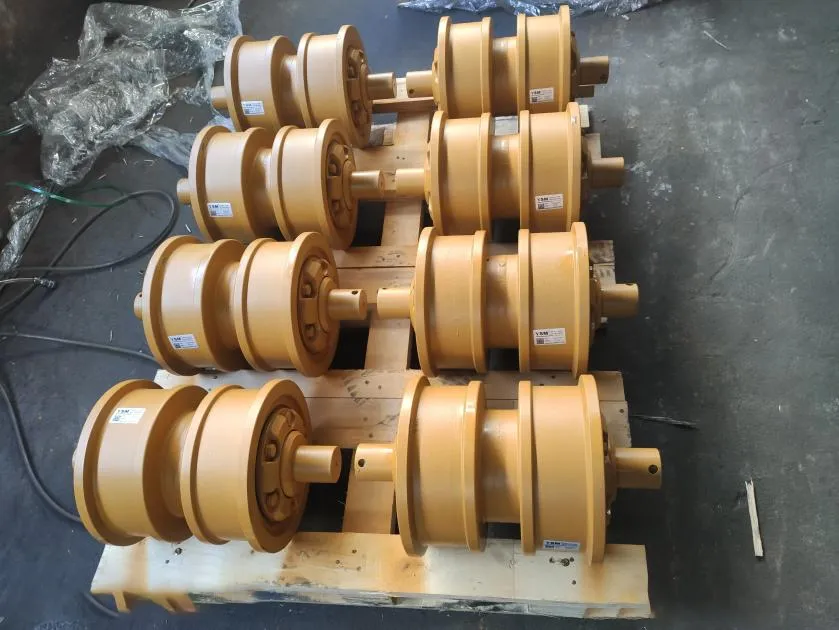
- track rollers and carrier rollers;
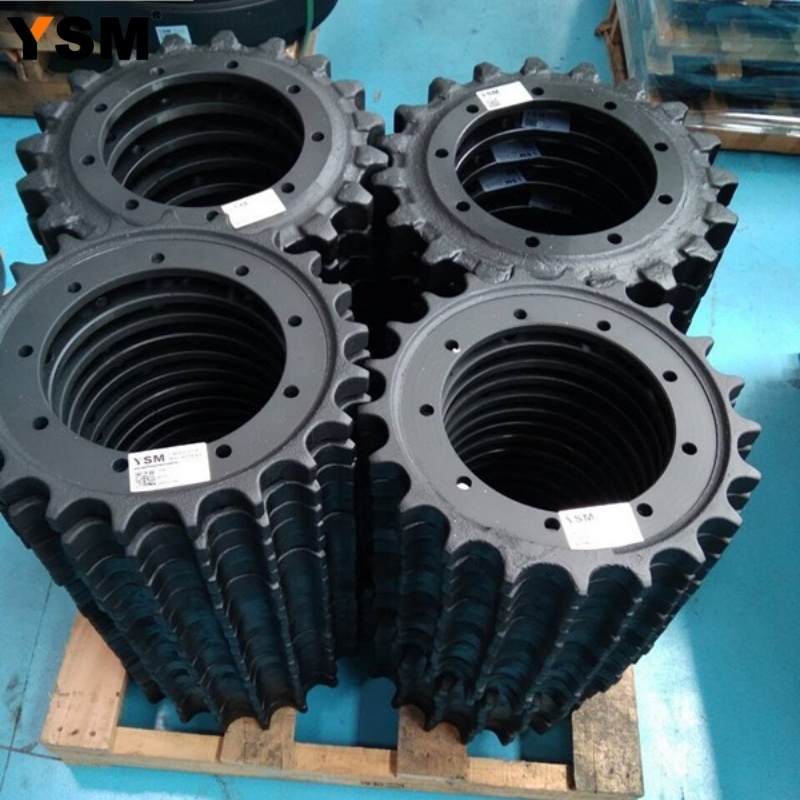
- idlers and sprockets;
- track chains, shoes, complete track assemblies, and track fasteners;
Corporate Email: sales@china-ysm.com
WhatsApp: +86-18606961587
Compatibility and availability must be confirmed from the complete model, serial number, part number, clear photos, and requested dimensions before ordering. Include quantity, destination country, and working conditions.