
Wear reports, repair planning, and purchasing
How to Read an Undercarriage Wear Report Before Ordering Parts
An undercarriage wear report should help you decide what needs attention, what can be monitored, and what information is still missing. A single statement such as "60% undercarriage remaining" cannot show whether a roller is leaking, one chain is stretched, or a sprocket is poorly matched. Read the individual measurements and inspection notes before turning the report into a parts order.
1. Start with the machine and component identity
Check the complete model, serial number or PIN, market, hour-meter reading, inspection date, and equipment configuration. Record shoe width, chain construction, part numbers, and any replacement history. The left and right sides may contain different components or have different installation dates.
Ask which parts were actually measured. A summary described as a "complete undercarriage report" may omit inaccessible rollers or contain visual observations only. An unreadable part number or unknown installation date should stay marked as unknown rather than being filled from an assumption.
Caterpillar describes Custom Track Service as a measured inspection followed by a report covering wear patterns and percentages. Use that distinction when reviewing any supplier's document: measurements, observations, and recommendations should be identifiable.
2. What the main wear-report fields mean
| Field | Meaning | Question to ask |
|---|---|---|
| Component and position | The exact item and installed location | Which side, roller number, rail, or bushing surface? |
| Measurement and units | A physical reading, such as diameter, height, thickness, or pitch span | Which tool and reference points were used? |
| Reference dimension or chart | The basis for converting the reading into wear condition | Does it match this part number and design? |
| Percent worn | A condition value calculated by the applicable inspection method | Does the heading mean worn or remaining? |
| Hours on wear surface | Time since the relevant component or surface entered service | Was it replaced, turned, or rebuilt? |
| Defects and action | Leakage, cracks, seizure, movement, or another inspection finding | Does the defect override a normal wear reading? |
Manufacturer charts may account for design, wear surface, or application. Do not substitute a generic percentage calculator without confirming that the inspection method permits it.
3. Percent worn is different from hours remaining
"70% worn" and "70% remaining" describe opposite conditions. Check the column heading and report legend before discussing a repair. Even when a method expresses 70% worn as 30% of allowable dimensional wear remaining, that does not establish 30% of the original service hours.
Consider a clearly hypothetical report: one chain rail reads 55% worn, one roller reads 35% worn, and that roller also has an active oil leak. Averaging the two numbers would conceal the leak and would not describe the sprocket, bushings, idler, or opposite side. Each finding needs its own decision.
Wear rate can change with ground material, moisture, packing, travel distance, turning, shoe selection, and maintenance. An inspector may provide an estimated service window using history and application data. Ask for the assumptions and next review point; treat the estimate as planning information rather than a fixed life promise.
4. Compare repeat readings before forecasting
A useful comparison needs the same component, side, position, tool method, units, and measurement points. Replacing a roller, turning a serviceable pin-and-bushing assembly where approved, or changing a chain breaks a simple trend unless the record identifies the work.
- Keep the previous reading and date alongside the new reading.
- Compare component hours as well as the machine hour meter.
- Record changes in site material, travel duty, shoe width, and operating pattern.
- Ask the inspector to repeat a reading that changes unexpectedly or contradicts the photos.
- Keep separate notes for dimensions, visible defects, and maintenance recommendations.
Komatsu emphasizes measured wear monitoring and awareness of working conditions. A practical report should therefore explain the change in condition, not simply produce a more precise-looking percentage.
5. Read defects and mating-component condition together
A crack, loose mounting, shifted pin, seized roller, active seal leak, or repeated track loss deserves attention independently of a dimensional wear value. A component can have substantial wear material left and still be unfit for continued operation because of another defect.
Read the chain and sprocket findings together. Review roller treads, flanges, link rails, idler guidance, guards, and frame contact as a system. A quotation for one leaking roller should not ignore a damaged mount or severe chain side loading. Likewise, a new chain should not be ordered without assessing sprocket engagement.
Caterpillar's excavator inspection guidance includes joints, hardware, sprockets, and shoe fasteners. Those observations complement measurements; they cannot be replaced by an overall remaining-life percentage.
6. Turn the report into a practical action list
| Action | Suitable report outcome | Required detail |
|---|---|---|
| Monitor | No critical defect; readings remain within the applicable limits | Next check date or operating-hour trigger |
| Investigate | Unexpected wear, leakage, noise, contact, or inconsistent readings | Specific test, inspection owner, and operating restriction if needed |
| Plan replacement | Measured wear or damage supports a defined repair scope | Part identity, quantities, mating-part assessment, and fitment data |
These are planning categories, not universal service limits. The qualified inspector and correct machine information determine the action. Do not use an article to override a stop-work instruction or a documented limit.
7. Information to send with a replacement-parts inquiry
Send the full report with its legend, machine plate, complete model and serial number, installed part numbers, and clearly labeled photos. Include component side and position, dimensions from agreed reference points, required quantity, destination country, and operating conditions.
For chains, add pitch, link count, master connection, and shoe mounting details. For rollers, add flange type, mounting centers, brackets or shaft details, and offsets. For idlers and sprockets, include mounting features and the mating chain identity. Ask whether hardware is included and identify any unknown fitment detail before accepting a substitution.
The best purchasing outcome is a traceable repair scope: each requested part connects to a measured condition, an inspection finding, or a documented maintenance decision.
Frequently Asked Questions
Does 50% worn mean half the service hours remain?
No. It describes condition under a specified wear method. Remaining hours depend on wear rate, future duty, defects, and the assumptions used by the inspector.
Can wear percentages from different reports be compared?
Only after confirming the same part, wear surface, chart, method, units, and label. Different methods or component histories can produce misleading comparisons.
Should the complete undercarriage be replaced at one percentage?
There is no universal percentage. Review the exact limits, component defects, mating wear, application, and repair options.
Can a photo confirm remaining undercarriage life?
Photos help identify visible condition and parts, but they do not replace measured dimensions, correct reference data, and a physical inspection.
Technical references
Discuss a Measured Undercarriage Replacement Plan
We are a China-based manufacturer and wholesale supplier of undercarriage parts. Send the inspection findings and complete machine identification so our team can check suitable supply options for the items your repair plan requires.
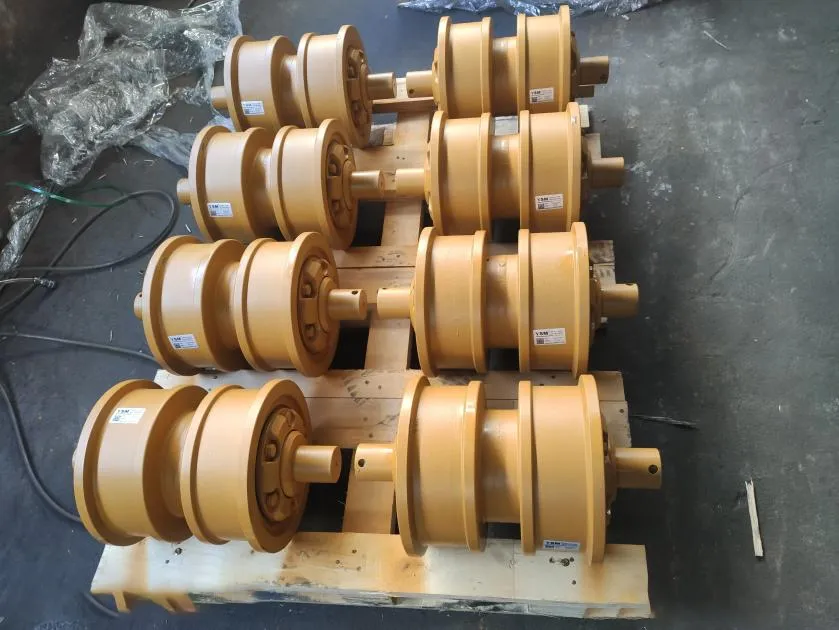
- track rollers and carrier rollers;
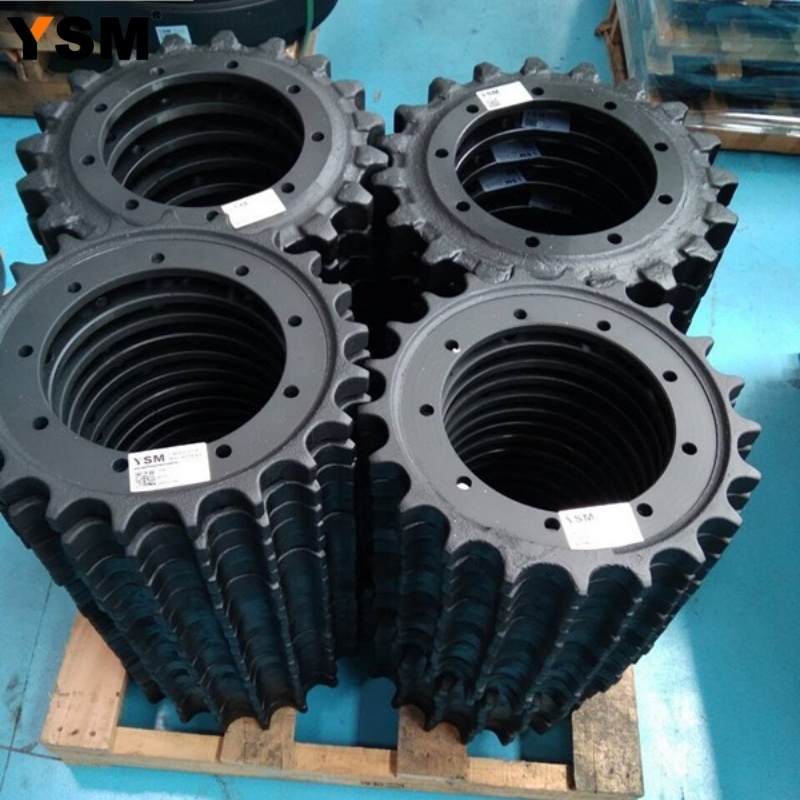
- front idlers and sprockets or sprocket segments;
- track chains, track shoes, assemblies, and related fasteners;
Corporate Email: sales@china-ysm.com
WhatsApp: +86-18606961587
Compatibility and availability must be confirmed from the complete model, serial number, part number, clear photos, and requested dimensions before ordering. Include quantity, destination country, and working conditions.