-
-
ApplicationOur products consist of undercarriage parts for bulldozer and excavator such as Track link,Track roller,Carrier roller,Sprocket,ldler,Track shoe,Cutting edge,End bit,Tooth Bucket,Track pin,Track bush, Engine parts,Track boit&nuts.U-bolt,Centre bolt,Wheel bolt and other related parts.

-
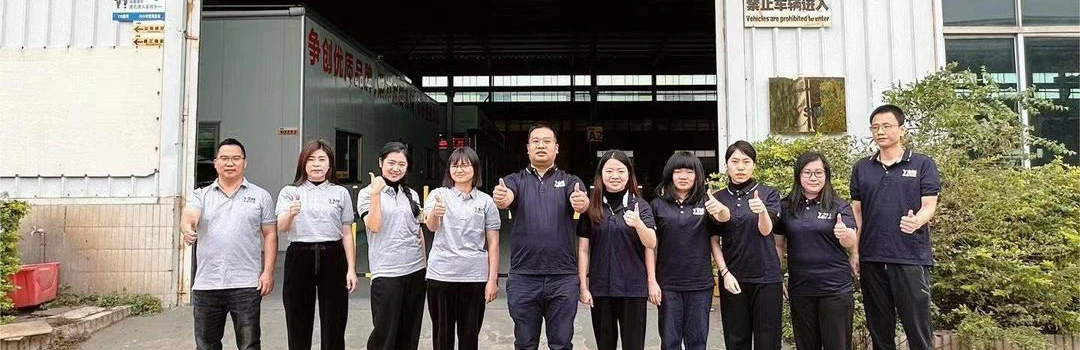
About UsFujian Yongsheng Machinery Parts Co., Ltd. is located in Quanzhou City, Fujian Province, which is one of the most developed regions of China Machinery Manufacturing.The company was established in 2003, after approximately 10years' effort, and now it is one of the leading construction machinery parts auto parts manufacturers in CHINA.
-
BlogSuppliers who pass Quality ManagementSystem Certification, and have onsitematerials or finished products inspected,as certified by independent third parties.
NEWS
Leading chinese undercarriage pars & Machinery part supplier

Aug 03,2026
Dozer Pin and Bushing Turn: What It Is and When It Makes Sense
A pin and bushing turn is a planned track-chain service used on certain fixed-bushing designs. The chain is opened with professional track-press equipment, the components are inspected, and the bushing is repositioned so a less-worn external surface engages the sprocket. The procedure is not suitable for every chain, and it cannot restore worn link rails, excessive internal pitch wear, failed seals or cracked components.

Aug 03,2026
Excavator Track Adjuster Grease Leak: Why the Track Will Not Stay Tight
When an excavator track is tensioned but soon becomes loose again, the track adjuster is an obvious suspect—but it is not the only possibility. Grease can escape at the fitting, relief valve, piston-rod seal or damaged cylinder, while worn track joints, a seized idler slide, packing or incorrect measurement can create a similar complaint. The symptom should be traced safely before parts are ordered.

Jul 31,2026
Bulldozer Sprocket Segment Wear: Tooth Patterns and Chain Matching
Bulldozer sprocket segments transfer final-drive rotation into the track chain through repeated contact with the bushings. As the segment pockets and tooth faces wear, engagement can become uneven. Rounded surfaces, mushroomed metal, side polish, chipping or cyclic noise are useful inspection signals, but none proves a single cause. Segment condition must be evaluated with chain, tension, alignment, packing and operating history.

Jul 31,2026
Excavator Track Shoe Cracks Near Bolt Holes: Causes and Inspection
A crack near an excavator track-shoe bolt hole is more than a cosmetic surface mark. It can indicate repeated movement between the shoe and link, impact loading, a distorted mounting surface, unsuitable hardware or a shoe that is being twisted beyond its intended duty. The safest response is to stop, document the crack and inspect the shoe, all four fasteners, the link mounting face and the surrounding undercarriage as one system.

Jul 30,2026
Excavator Track Chain Stiff Joint: Causes, Inspection and Repair Planning
A healthy track chain must articulate as each pin-and-bushing joint travels around the sprocket and front idler. When one joint remains unusually straight, the chain may kink, jump or make noise. That symptom is often called a stiff joint, frozen link, seized link or dry joint, but those terms do not always describe the same internal condition.

Jul 30,2026
Single-Flange vs Double-Flange Track Rollers: What Is the Difference?
Single-flange and double-flange track rollers are both load-carrying components in a crawler undercarriage. Their raised guide flanges help control the path of the track links, but the two designs are not freely interchangeable. The correct flange type, roller position, mounting dimensions and link clearance are determined by the machine's undercarriage design.

Jul 29,2026
How to Identify an Excavator Track Chain: Pitch, Link Count and Fitment Checks
An excavator model name is a useful starting point, but it is not enough to identify every track chain. Machines within one model family can use different undercarriages by serial range, market, shoe width or application. A reliable parts enquiry combines the machine identification plate with physical chain measurements, clear photographs, visible part numbers and the condition of mating sprockets, rollers and idlers.

Jul 29,2026
Excavator Undercarriage Maintenance in Sand and Abrasive Soil
Fine sand does not need to produce a dramatic impact to damage an excavator undercarriage. It enters clearances, mixes with moisture or lubricant residue and repeatedly passes between chains, rollers, idlers, sprockets and shoes. The practical response is not simply “wash more often.” Operators need condition-based cleaning, correct track tension, reduced unnecessary travel and measurements that reveal abrasive wear before components become mismatched.

Jul 28,2026
Used Excavator Undercarriage Inspection: A Buyer's Checklist Before Purchase
A clean paint finish and low hour-meter reading do not prove that a used excavator has a healthy undercarriage. Ground conditions, travel distance, turning habits, track tension and maintenance can produce very different wear on machines with similar hours. Before bidding, paying a deposit or arranging export, identify the exact machine and document the track chains, shoes, rollers, idlers, sprockets, guards and adjusters with consistent measurements.

Jul 28,2026
Excavator Undercarriage Noise: What Squealing, Clicking, Grinding and Banging May Mean
A new sound from an excavator undercarriage deserves inspection, but sound alone does not identify a failed part. Squealing can come from a dry joint or rolling component; rhythmic clicking may follow one damaged shoe, link or sprocket contact point; grinding may involve a seized roller or trapped material; and banging may be caused by a loose track or hardware. The safest approach is to record when the sound occurs, inspect the complete track system and confirm the cause with measurements.
Related Posts
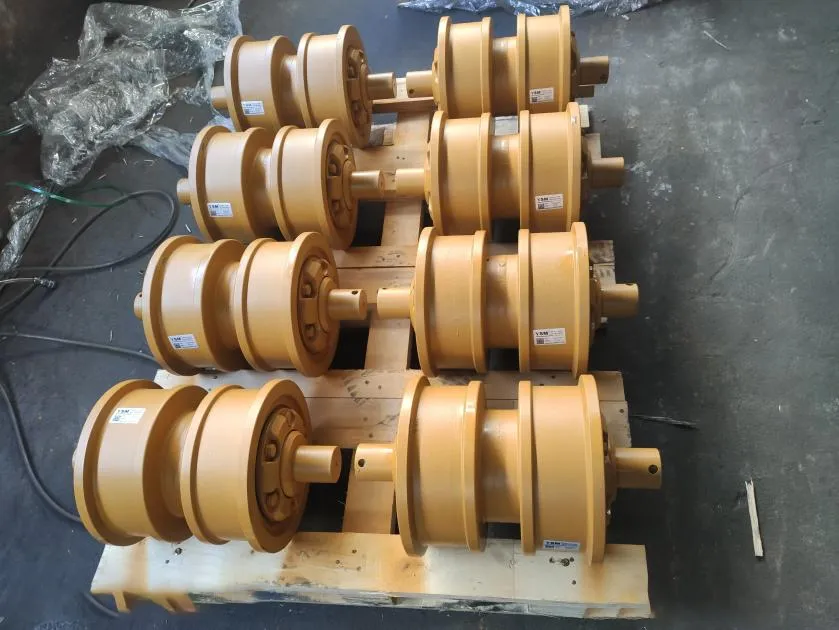
How Should The Supporting Wheels Be Selected To Avoid Stepping On Thunder?
High-quality support wheels mainly depend on the performance of its steel. The material of the roller body is generally 50Mn, 40Mn2, (MN: synonymous with the element of manganese).
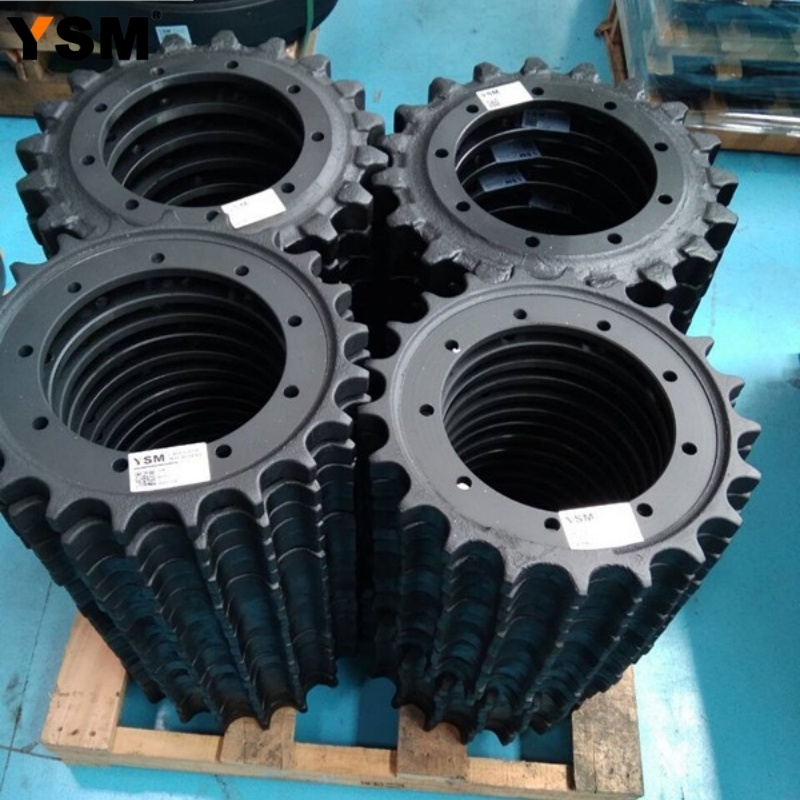
Carrier Wheels Are Suitable For Various Models At Home And Abroad
Sprocket wheels are mainly used in various crawler bulldozers, excavators, pavers, milling machines, rotary drilling rigs or other crawler machinery equipment at home and abroad.
Contact Us
E-mail :
sales@china-ysm.com
Phone/WhatsApp:
+86-18606961587
Address:
No.8 Binjiang Street, Binjiang Industrial Zone, Xiamei Town, Nan An City, Quanzhou City, Fujian Province, China
Request Quote
Andy Shi
No.8 Binjiang Street, Binjiang Industrial Zone, Xiamei Town, Nan An City, Quanzhou City, Fujian Province, China


Request Quote