-
-
ApplicationOur products consist of undercarriage parts for bulldozer and excavator such as Track link,Track roller,Carrier roller,Sprocket,ldler,Track shoe,Cutting edge,End bit,Tooth Bucket,Track pin,Track bush, Engine parts,Track boit&nuts.U-bolt,Centre bolt,Wheel bolt and other related parts.

-
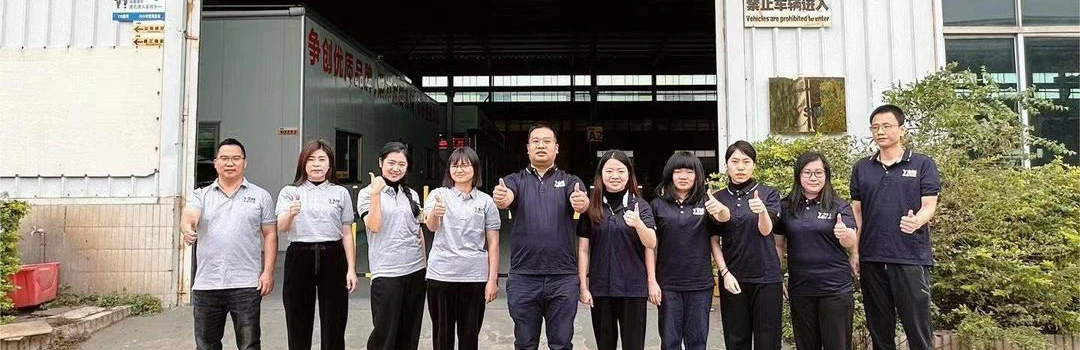
About UsFujian Yongsheng Machinery Parts Co., Ltd. is located in Quanzhou City, Fujian Province, which is one of the most developed regions of China Machinery Manufacturing.The company was established in 2003, after approximately 10years' effort, and now it is one of the leading construction machinery parts auto parts manufacturers in CHINA.
-
BlogSuppliers who pass Quality ManagementSystem Certification, and have onsitematerials or finished products inspected,as certified by independent third parties.
NEWS
Leading chinese undercarriage pars & Machinery part supplier

Jul 27,2026
Single, Double and Triple Grouser Track Shoes: What Is the Difference?
Single, double and triple grouser track shoes differ in the number and profile of the raised bars that contact the ground. Those profiles influence penetration, traction, turning resistance, ride and surface disturbance, but the name alone does not determine correct fitment. Machine configuration, approved options, ground pressure, shoe width, track-chain dimensions and application must all be checked.

Jul 27,2026
Excavator Track Tension: Signs of a Track That Is Too Tight or Too Loose
Correct excavator track tension is a balance, not a visual preference. A steel track needs the model-specific amount of sag so the chain can engage the sprocket, follow the rollers and idler, absorb jobsite material and move without unnecessary load. This guide explains what operators can observe, what each symptom may mean and how to prepare a safe, repeatable inspection.

Jul 24,2026
Excavator Carrier Roller Wear: Function, Failure Signs and Inspection
An excavator carrier roller—also called a top roller or upper roller—supports and guides the upper return run of the track chain. It does not carry the machine's ground load like a bottom track roller. Oil leakage, a flat spot, abnormal heat, noise, flange damage or a chain that no longer runs smoothly over the roller should trigger inspection of the roller and the complete track path.

Jul 24,2026
How Slopes Affect Excavator Undercarriage Wear
Slope work changes how an excavator's weight and side loads pass through the track shoes, chains, rollers, idlers and sprockets. Repeated cross-slope travel, sharp turns, track slip and abrupt grade transitions can create different wear patterns from level-ground work. Safe operation comes first, while regular left-right measurements help separate normal application wear from a developing alignment or component problem.

Jul 23,2026
Excavator Front Idler Wear: Signs, Causes and Inspection Guide
The excavator front idler guides the track chain around the front of the track frame. Its tread and flanges work with the chain rails, while the track adjuster positions the idler to establish the model-specified track sag. Uneven wear, leakage, heat, noise or side movement should trigger a system inspection—not an automatic conclusion that the idler alone is faulty.

Jul 23,2026
How to Check Excavator Track Chain Wear: Pitch, Rails, Pins and Bushings
Excavator track chain wear cannot be judged from track sag or appearance alone. A useful inspection combines pitch measurement, link-rail measurements, bushing and joint checks, sprocket contact, shoe condition and left-to-right comparison. The results must then be compared with the wear data for the exact machine and chain specification.

Jul 22,2026
When to Turn or Replace Excavator Track Chains? A Fleet Manager’s Guide to Track Pitch Elongation
For heavy equipment fleet managers, knowing when to repair or replace an excavator track chain can significantly reduce operating costs and prevent unexpected downtime. Track pitch elongation is one of the most reliable indicators of crawler undercarriage wear.

Jul 22,2026
Excavator Undercarriage Parts Explained: Names, Functions and Wear Signs
An excavator undercarriage is a connected drive, support, guidance and ground-contact system. The sprocket drives the track chain, the front idler guides it, bottom rollers carry the machine, carrier rollers support the upper track run, and track shoes transfer traction to the ground. Understanding these relationships makes inspection, fault reporting and parts ordering more accurate.

Jul 22,2026
How to Choose Excavator Track Shoe Width for Soft, Firm and Rocky Ground
Excavator track shoe width affects flotation, average ground pressure, overall machine width, steering resistance and the loads transmitted into the track chain. Wider is not automatically better: the correct choice is an OEM-approved width that provides the flotation and stability required for the actual job without adding unnecessary undercarriage stress.

Jul 21,2026
Why Does an Excavator Pull to One Side? 9 Checks Before Replacing a Travel Motor
An excavator that will not travel straight may have unequal ground resistance, an undercarriage problem, a brake or final-drive fault, or unequal hydraulic delivery to the two travel motors. The direction of the pull is useful evidence, but it is not enough to identify the failed component.
Related Posts
How Should The Supporting Wheels Be Selected To Avoid Stepping On Thunder?
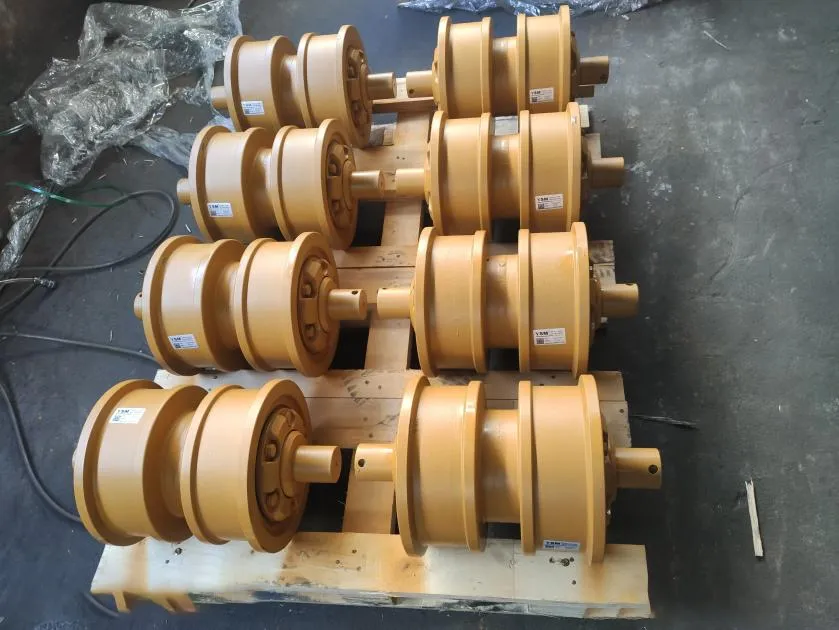
High-quality support wheels mainly depend on the performance of its steel. The material of the roller body is generally 50Mn, 40Mn2, (MN: synonymous with the element of manganese).
Carrier Wheels Are Suitable For Various Models At Home And Abroad
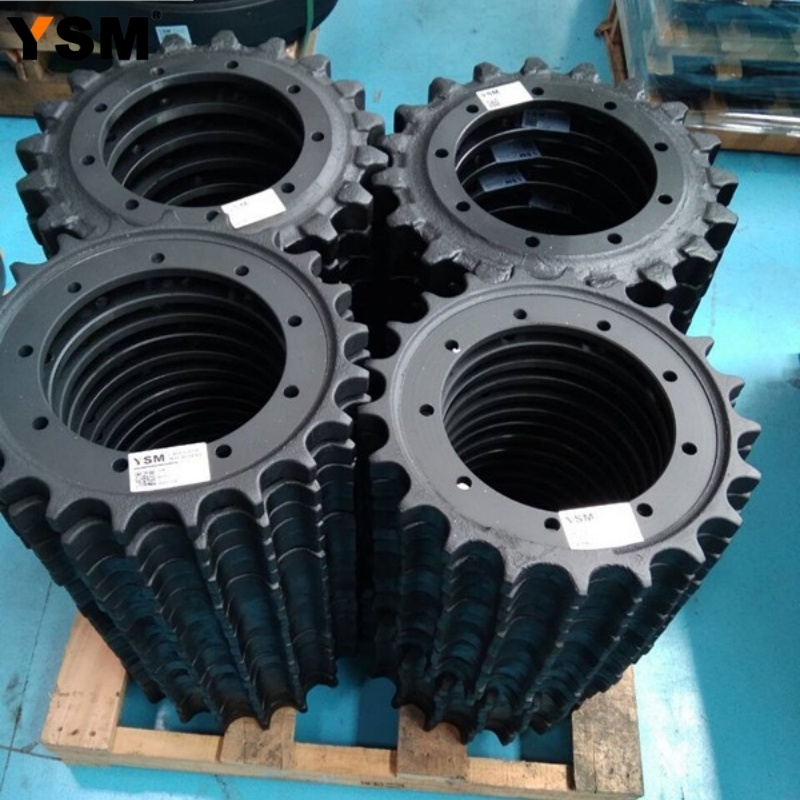
Sprocket wheels are mainly used in various crawler bulldozers, excavators, pavers, milling machines, rotary drilling rigs or other crawler machinery equipment at home and abroad.
Contact Us
E-mail :
sales@china-ysm.com
Phone/WhatsApp:
+86-18606961587
Address:
No.8 Binjiang Street, Binjiang Industrial Zone, Xiamei Town, Nan An City, Quanzhou City, Fujian Province, China
Request Quote
Andy Shi
No.8 Binjiang Street, Binjiang Industrial Zone, Xiamei Town, Nan An City, Quanzhou City, Fujian Province, China


Request Quote