-
-
ApplicationOur products consist of undercarriage parts for bulldozer and excavator such as Track link,Track roller,Carrier roller,Sprocket,ldler,Track shoe,Cutting edge,End bit,Tooth Bucket,Track pin,Track bush, Engine parts,Track boit&nuts.U-bolt,Centre bolt,Wheel bolt and other related parts.

-
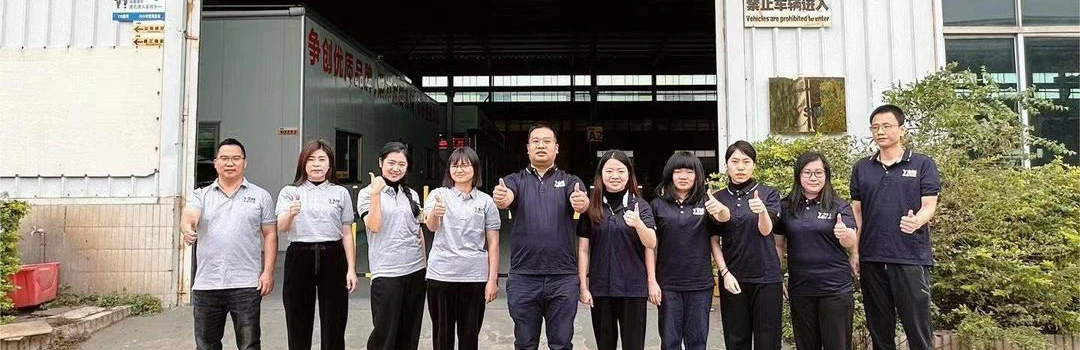
About UsFujian Yongsheng Machinery Parts Co., Ltd. is located in Quanzhou City, Fujian Province, which is one of the most developed regions of China Machinery Manufacturing.The company was established in 2003, after approximately 10years' effort, and now it is one of the leading construction machinery parts auto parts manufacturers in CHINA.
-
BlogSuppliers who pass Quality ManagementSystem Certification, and have onsitematerials or finished products inspected,as certified by independent third parties.
NEWS
Leading chinese undercarriage pars & Machinery part supplier

Aug 24,2026
Dozer Undercarriage Replacement Planning: Measure, Match and Schedule
A dozer undercarriage wears as an interacting system, but its parts do not always reach the same condition at the same time. The correct replacement plan therefore begins with measured wear and operating records—not a rule that every repair must be a single part or a complete set. Chain, sprocket, roller, idler, shoe and frame condition must be reviewed together.

Aug 24,2026
Excavator Undercarriage Maintenance for Demolition and Scrap Sites
Broken concrete, reinforcing steel, crushed aggregate and metal scrap create a different undercarriage risk from ordinary earthmoving. Sharp debris can damage shoes and hardware, packed fragments can restrict rollers, and repeated turning on hard material can concentrate wear. A demolition excavator therefore needs condition-based cleaning and inspection throughout the shift, supported by the exact operation and maintenance manual.

Aug 21,2026
Excavator Sprocket Wear Signs: Inspection and Replacement Planning Guide
The excavator drive sprocket works directly with the track-chain bushings. Tooth wear, chain pitch, track tension and the condition of mating undercarriage parts should be assessed together before deciding what to replace.

Aug 21,2026
How to Check Excavator Track Tension: Inspection Guide and Common Problems
Excavator track tension affects how the chain, sprocket, idler and rollers work together. This guide explains how to inspect track tension safely, what loose or tight-track symptoms may indicate, and why the exact machine manual must be used before adjustment.

Aug 20,2026
Excavator Undercarriage Measurements: A Parts Fitment Checklist
Excavator undercarriage parts can look almost identical while differing in pitch, link count, flange profile, mounting pattern or serial-range application. A reliable inquiry therefore starts with the machine identity, the installed part number, clear photographs and the correct component-specific measurements—not the model name alone.

Aug 20,2026
Bulldozer Track Alignment: Side Wear, Causes and Inspection Guide
A bulldozer track should travel through a controlled path formed by the sprocket, rollers, idler, guards and track frame. Bright side contact, uneven flange wear or repeated rubbing can indicate that the path is being disturbed, but these signs do not prove one cause. Alignment complaints require a complete comparison of both sides, the operating conditions and the machine's model-specific adjustment.

Aug 19,2026
Excavator Track Master Link: Inspection and Fitment Guide
A track master link is the designated connection within many steel track chains that allows the chain to be separated or assembled using the correct service procedure. Its appearance and connection design vary by manufacturer, track series and machine. It should be inspected as one critical joint within the complete track chain—not treated as a generic link that can be removed or replaced by improvised methods.

Aug 19,2026
Bulldozer Front Idler Inspection, Wear and Fitment Guide
The front idler guides the track chain at the front of a bulldozer and works with the recoil and track-adjuster system to manage the track path. Its tread, flanges, guides and seals should be inspected as part of the whole undercarriage. A worn idler can be a symptom of chain, alignment, tension, debris or operating-condition issues—not automatically the original cause

Aug 18,2026
Bulldozer Carrier Roller Inspection and Fitment Guide
A bulldozer carrier roller supports the upper return run of the track chain. It is smaller and positioned differently from the lower track rollers, but it can still create accelerated chain wear if debris prevents rotation or if its alignment, mount or sealing area changes. An effective inspection follows the upper track path and checks the carrier roller as part of the whole undercarriage.

Aug 18,2026
Excavator Long-Term Storage and Recommissioning Checklist
A crawler excavator that will sit unused for weeks or months needs more than a parked position and a cover. Moisture, contamination, battery discharge, rod corrosion, rodent damage and packed undercarriage debris can create problems while the machine is idle. The safest plan has two stages: prepare the exact machine for storage, then inspect and recommission it before productive work resumes.
Related Posts
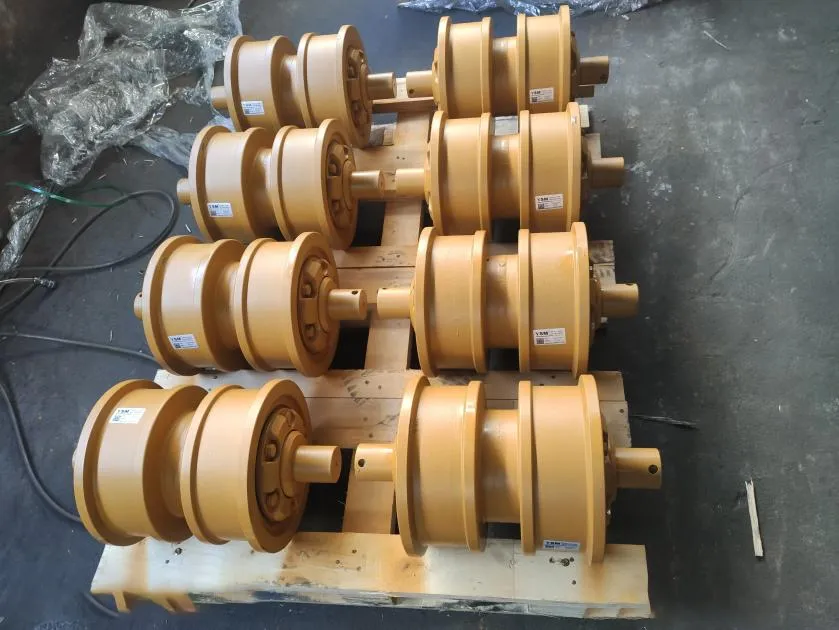
How Should The Supporting Wheels Be Selected To Avoid Stepping On Thunder?
High-quality support wheels mainly depend on the performance of its steel. The material of the roller body is generally 50Mn, 40Mn2, (MN: synonymous with the element of manganese).
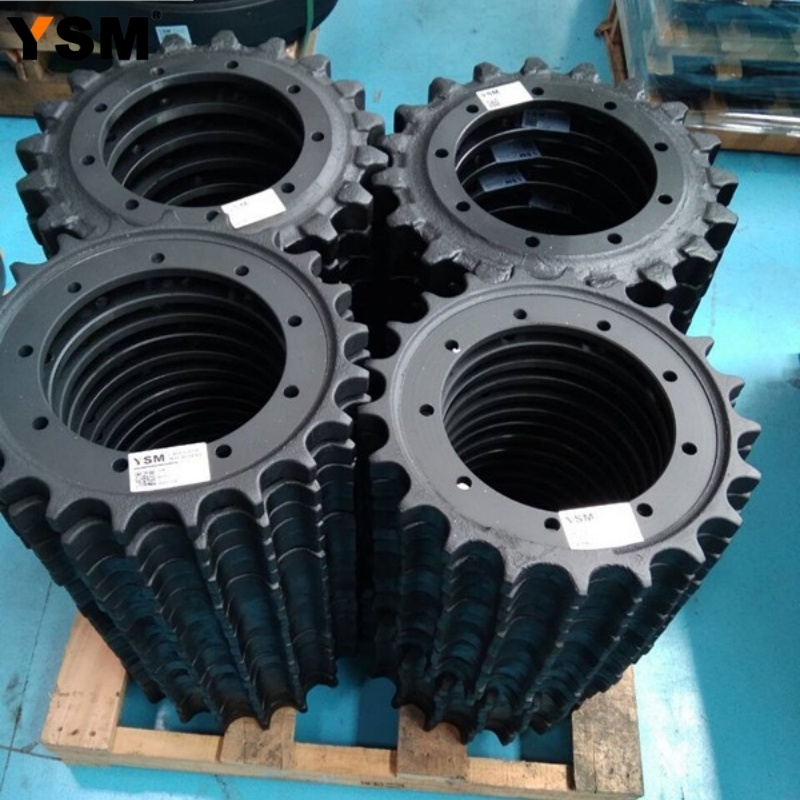
Carrier Wheels Are Suitable For Various Models At Home And Abroad
Sprocket wheels are mainly used in various crawler bulldozers, excavators, pavers, milling machines, rotary drilling rigs or other crawler machinery equipment at home and abroad.
Contact Us
E-mail :
sales@china-ysm.com
Phone/WhatsApp:
+86-18606961587
Address:
No.8 Binjiang Street, Binjiang Industrial Zone, Xiamei Town, Nan An City, Quanzhou City, Fujian Province, China
Request Quote
Andy Shi
No.8 Binjiang Street, Binjiang Industrial Zone, Xiamei Town, Nan An City, Quanzhou City, Fujian Province, China


Request Quote