-
-
ApplicationOur products consist of undercarriage parts for bulldozer and excavator such as Track link,Track roller,Carrier roller,Sprocket,ldler,Track shoe,Cutting edge,End bit,Tooth Bucket,Track pin,Track bush, Engine parts,Track boit&nuts.U-bolt,Centre bolt,Wheel bolt and other related parts.

-
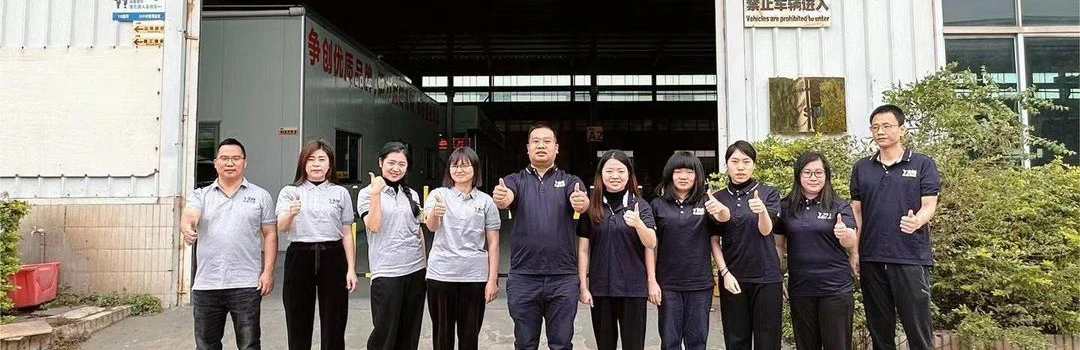
About UsFujian Yongsheng Machinery Parts Co., Ltd. is located in Quanzhou City, Fujian Province, which is one of the most developed regions of China Machinery Manufacturing.The company was established in 2003, after approximately 10years' effort, and now it is one of the leading construction machinery parts auto parts manufacturers in CHINA.
-
BlogSuppliers who pass Quality ManagementSystem Certification, and have onsitematerials or finished products inspected,as certified by independent third parties.
NEWS
Leading chinese undercarriage pars & Machinery part supplier

Jul 29,2026
How to Identify an Excavator Track Chain: Pitch, Link Count and Fitment Checks
An excavator model name is a useful starting point, but it is not enough to identify every track chain. Machines within one model family can use different undercarriages by serial range, market, shoe width or application. A reliable parts enquiry combines the machine identification plate with physical chain measurements, clear photographs, visible part numbers and the condition of mating sprockets, rollers and idlers.

Jul 29,2026
Excavator Undercarriage Maintenance in Sand and Abrasive Soil
Fine sand does not need to produce a dramatic impact to damage an excavator undercarriage. It enters clearances, mixes with moisture or lubricant residue and repeatedly passes between chains, rollers, idlers, sprockets and shoes. The practical response is not simply “wash more often.” Operators need condition-based cleaning, correct track tension, reduced unnecessary travel and measurements that reveal abrasive wear before components become mismatched.

Jul 28,2026
Used Excavator Undercarriage Inspection: A Buyer's Checklist Before Purchase
A clean paint finish and low hour-meter reading do not prove that a used excavator has a healthy undercarriage. Ground conditions, travel distance, turning habits, track tension and maintenance can produce very different wear on machines with similar hours. Before bidding, paying a deposit or arranging export, identify the exact machine and document the track chains, shoes, rollers, idlers, sprockets, guards and adjusters with consistent measurements.

Jul 28,2026
Excavator Undercarriage Noise: What Squealing, Clicking, Grinding and Banging May Mean
A new sound from an excavator undercarriage deserves inspection, but sound alone does not identify a failed part. Squealing can come from a dry joint or rolling component; rhythmic clicking may follow one damaged shoe, link or sprocket contact point; grinding may involve a seized roller or trapped material; and banging may be caused by a loose track or hardware. The safest approach is to record when the sound occurs, inspect the complete track system and confirm the cause with measurements.

Jul 27,2026
Single, Double and Triple Grouser Track Shoes: What Is the Difference?
Single, double and triple grouser track shoes differ in the number and profile of the raised bars that contact the ground. Those profiles influence penetration, traction, turning resistance, ride and surface disturbance, but the name alone does not determine correct fitment. Machine configuration, approved options, ground pressure, shoe width, track-chain dimensions and application must all be checked.

Jul 27,2026
Excavator Track Tension: Signs of a Track That Is Too Tight or Too Loose
Correct excavator track tension is a balance, not a visual preference. A steel track needs the model-specific amount of sag so the chain can engage the sprocket, follow the rollers and idler, absorb jobsite material and move without unnecessary load. This guide explains what operators can observe, what each symptom may mean and how to prepare a safe, repeatable inspection.

Jul 24,2026
Excavator Carrier Roller Wear: Function, Failure Signs and Inspection
An excavator carrier roller—also called a top roller or upper roller—supports and guides the upper return run of the track chain. It does not carry the machine's ground load like a bottom track roller. Oil leakage, a flat spot, abnormal heat, noise, flange damage or a chain that no longer runs smoothly over the roller should trigger inspection of the roller and the complete track path.

Jul 24,2026
How Slopes Affect Excavator Undercarriage Wear
Slope work changes how an excavator's weight and side loads pass through the track shoes, chains, rollers, idlers and sprockets. Repeated cross-slope travel, sharp turns, track slip and abrupt grade transitions can create different wear patterns from level-ground work. Safe operation comes first, while regular left-right measurements help separate normal application wear from a developing alignment or component problem.

Jul 23,2026
Excavator Front Idler Wear: Signs, Causes and Inspection Guide
The excavator front idler guides the track chain around the front of the track frame. Its tread and flanges work with the chain rails, while the track adjuster positions the idler to establish the model-specified track sag. Uneven wear, leakage, heat, noise or side movement should trigger a system inspection—not an automatic conclusion that the idler alone is faulty.

Jul 23,2026
How to Check Excavator Track Chain Wear: Pitch, Rails, Pins and Bushings
Excavator track chain wear cannot be judged from track sag or appearance alone. A useful inspection combines pitch measurement, link-rail measurements, bushing and joint checks, sprocket contact, shoe condition and left-to-right comparison. The results must then be compared with the wear data for the exact machine and chain specification.
Related Posts
How Should The Supporting Wheels Be Selected To Avoid Stepping On Thunder?
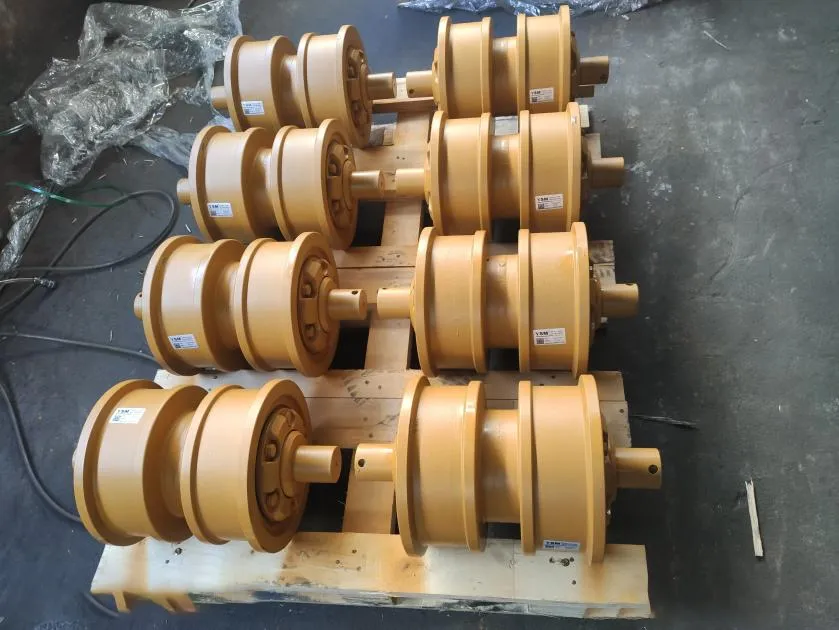
High-quality support wheels mainly depend on the performance of its steel. The material of the roller body is generally 50Mn, 40Mn2, (MN: synonymous with the element of manganese).
Carrier Wheels Are Suitable For Various Models At Home And Abroad
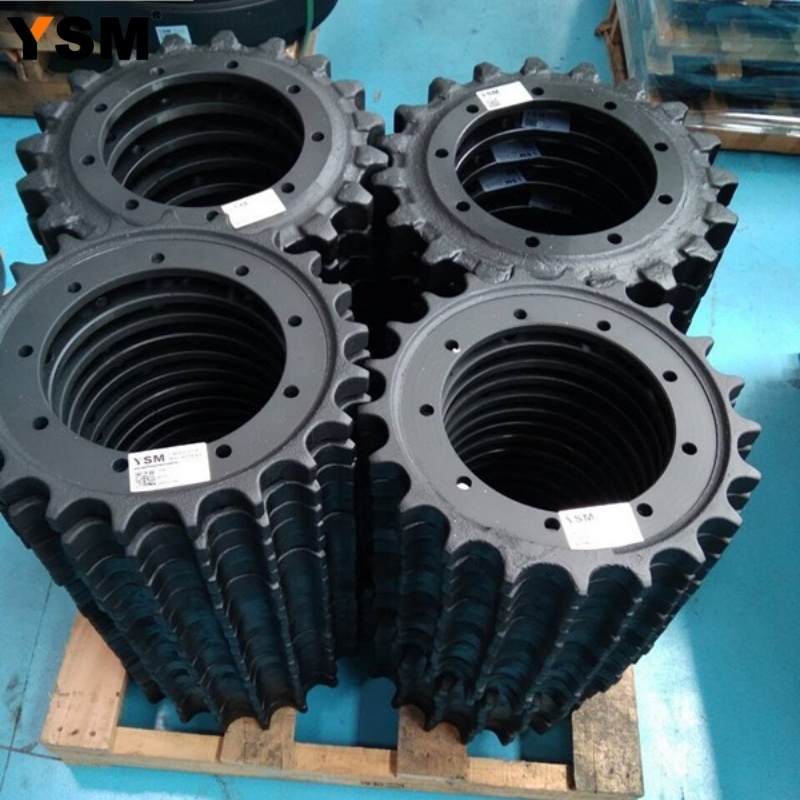
Sprocket wheels are mainly used in various crawler bulldozers, excavators, pavers, milling machines, rotary drilling rigs or other crawler machinery equipment at home and abroad.
Contact Us
E-mail :
sales@china-ysm.com
Phone/WhatsApp:
+86-18606961587
Address:
No.8 Binjiang Street, Binjiang Industrial Zone, Xiamei Town, Nan An City, Quanzhou City, Fujian Province, China
Request Quote
Andy Shi
No.8 Binjiang Street, Binjiang Industrial Zone, Xiamei Town, Nan An City, Quanzhou City, Fujian Province, China


Request Quote