-
-
ApplicationOur products consist of undercarriage parts for bulldozer and excavator such as Track link,Track roller,Carrier roller,Sprocket,ldler,Track shoe,Cutting edge,End bit,Tooth Bucket,Track pin,Track bush, Engine parts,Track boit&nuts.U-bolt,Centre bolt,Wheel bolt and other related parts.

-
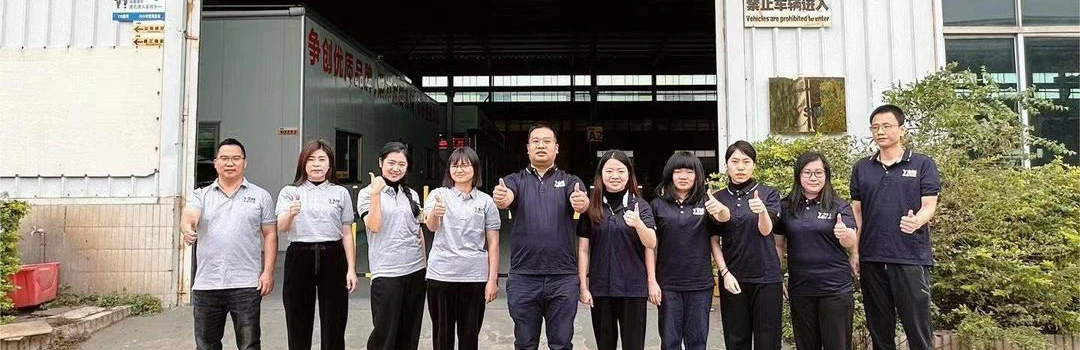
About UsFujian Yongsheng Machinery Parts Co., Ltd. is located in Quanzhou City, Fujian Province, which is one of the most developed regions of China Machinery Manufacturing.The company was established in 2003, after approximately 10years' effort, and now it is one of the leading construction machinery parts auto parts manufacturers in CHINA.
-
BlogSuppliers who pass Quality ManagementSystem Certification, and have onsitematerials or finished products inspected,as certified by independent third parties.
NEWS
Leading chinese undercarriage pars & Machinery part supplier

Sep 20,2026
Dozer Track Bushing Pitting: Inspection and Replacement Checks
Dozer track bushing pitting appears as clusters of small cavities or broken surface areas in the sprocket contact zone. It should be evaluated with bushing diameter, cracking, chain pitch, sprocket profile, track tension and jobsite material. Dirt, rust or a polished contact band alone does not confirm damaging pitting.

Sep 20,2026
Excavator Track Link Cracks: Pin Boss, Rail and Shoe Seat Inspection
A visible crack in an excavator track link is a stop-and-inspect finding, not ordinary wear. Clean and document the area, isolate the machine and examine the complete chain, track shoes, rollers, guards, sprocket engagement and operating history before deciding whether a link or complete chain needs replacement.

Sep 18,2026
Dozer Sprocket Segment Bolts Keep Coming Loose: Inspection Guide
A sprocket segment bolt that repeatedly loosens is not just a fastener problem. Clamp load may be lost because of contaminated mating faces, damaged threads, stretched or incorrect hardware, hub-hole wear, an incorrect installation procedure, segment mismatch, or abnormal chain loading. Do not keep tightening the bolt without finding the reason.

Sep 18,2026
Excavator Track Link Rail Scalloping: Causes and Inspection
Track link rail scalloping is a repeated wave-like wear pattern on the surfaces that run against the rollers and idler. It can cause rough travel and vibration, but the pattern alone does not identify one failed part. Inspect the chain, rollers, idler, alignment, tension, debris packing, terrain and operating history as a system.

Sep 17,2026
Dozer Front Idler Wear Signs: Ridging, Leaks and Alignment
Dozer front idler wear is best judged as a pattern, not from one shiny surface. Clean the idler, compare both sides, examine tread and flange profiles, look for oil leakage and abnormal movement, and then inspect track tension, guides, chain rails, and the recoil system before choosing a repair.

Sep 17,2026
Excavator Track Roller Oil Leak: Causes, Inspection and Replacement
An oily ring around a bottom roller seal can be an early warning, but a wet roller is not automatically a failed roller. Clean the area, identify the fluid source, compare it with nearby rollers, and look for heat, rough rotation, flat spots, flange wear, or abnormal noise before deciding what to replace.

Sep 16,2026
Dozer Carrier Roller Not Turning: Causes, Flat Spots and Repair
A dozer carrier roller that is not turning can make the upper track chain slide across a stationary tread instead of rolling over it. Debris packing may be the cause, but oil loss, internal seizure, a damaged tread, misalignment or incorrect track condition can create similar evidence. Stop and inspect before a flat spot or damaged flange transfers wear into the chain links.

Sep 16,2026
Excavator Undercarriage Cleaning After Mud: A Safe Routine
Excavator undercarriage cleaning is more than cosmetic. Packed mud, clay, stones and frozen material can hide leaks and loose hardware, restrict roller movement, change the effective track condition and make a useful inspection impossible. A safe routine starts with a fully parked machine, removes material outward without moving the track, protects seals from direct high-pressure spray and ends with a documented component inspection.

Sep 15,2026
Dozer Track Shoe Bolts Loose: Causes, Inspection and Repair
If dozer track shoe bolts keep coming loose, stop and inspect the bolted joint rather than repeatedly tightening the visible bolt. Loose hardware can allow movement between the shoe and link, damaging mating faces, bolt seats, holes, nuts and link surfaces. The cause may involve installation, damaged hardware, worn parts, contamination or operating loads, so the complete joint must be checked.

Sep 15,2026
Excavator Sprocket Wear Signs: Hooked Teeth and Chain Matching
Excavator sprocket wear signs include teeth that become thin, pointed, hooked, unevenly polished, cracked or chipped. Noise, chain climb and rough travel add urgency, but they do not prove that the sprocket alone has failed. The sprocket, track-chain pitch, bushings, tension, rollers, idler, guides and mounting area must be evaluated as one wear system.
Related Posts
How Should The Supporting Wheels Be Selected To Avoid Stepping On Thunder?
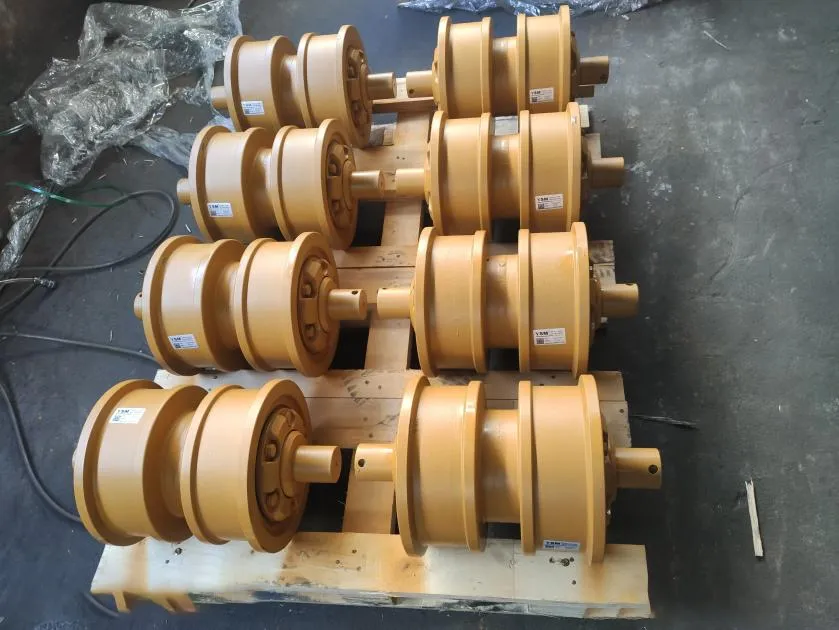
High-quality support wheels mainly depend on the performance of its steel. The material of the roller body is generally 50Mn, 40Mn2, (MN: synonymous with the element of manganese).
Carrier Wheels Are Suitable For Various Models At Home And Abroad
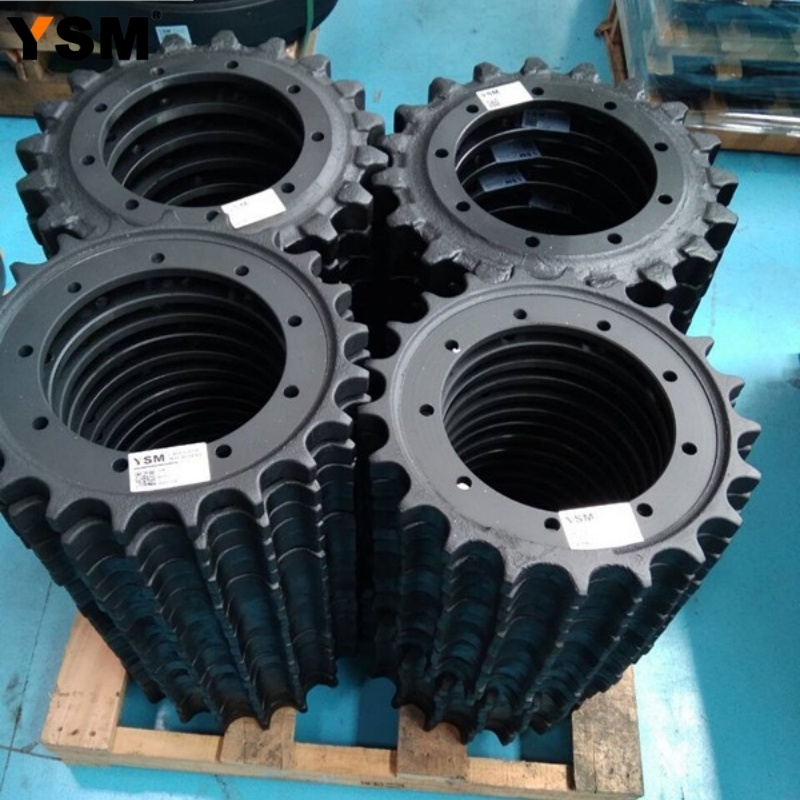
Sprocket wheels are mainly used in various crawler bulldozers, excavators, pavers, milling machines, rotary drilling rigs or other crawler machinery equipment at home and abroad.
Contact Us
E-mail :
sales@china-ysm.com
Phone/WhatsApp:
+86-18606961587
Address:
No.8 Binjiang Street, Binjiang Industrial Zone, Xiamei Town, Nan An City, Quanzhou City, Fujian Province, China
Request Quote
Andy Shi
No.8 Binjiang Street, Binjiang Industrial Zone, Xiamei Town, Nan An City, Quanzhou City, Fujian Province, China


Request Quote